EnglishHaitian CreoleSpanish

From Kindergarten to High School: A Summer of Learning and Discovery with Carver

For 1,034 students, summer with Carver meant more than a break from the school year. Across 13 summer programs, children and teens explored new interests, strengthened academic skills, built friendships, and prepared for the grades ahead.

In Bridgeport, Carver’s Kick-Off to Kindergarten program welcomed 75 incoming kindergarteners across six classrooms. Through early literacy, math, science, and activities that supported social and emotional growth, students began building the confidence to enter school ready to learn.

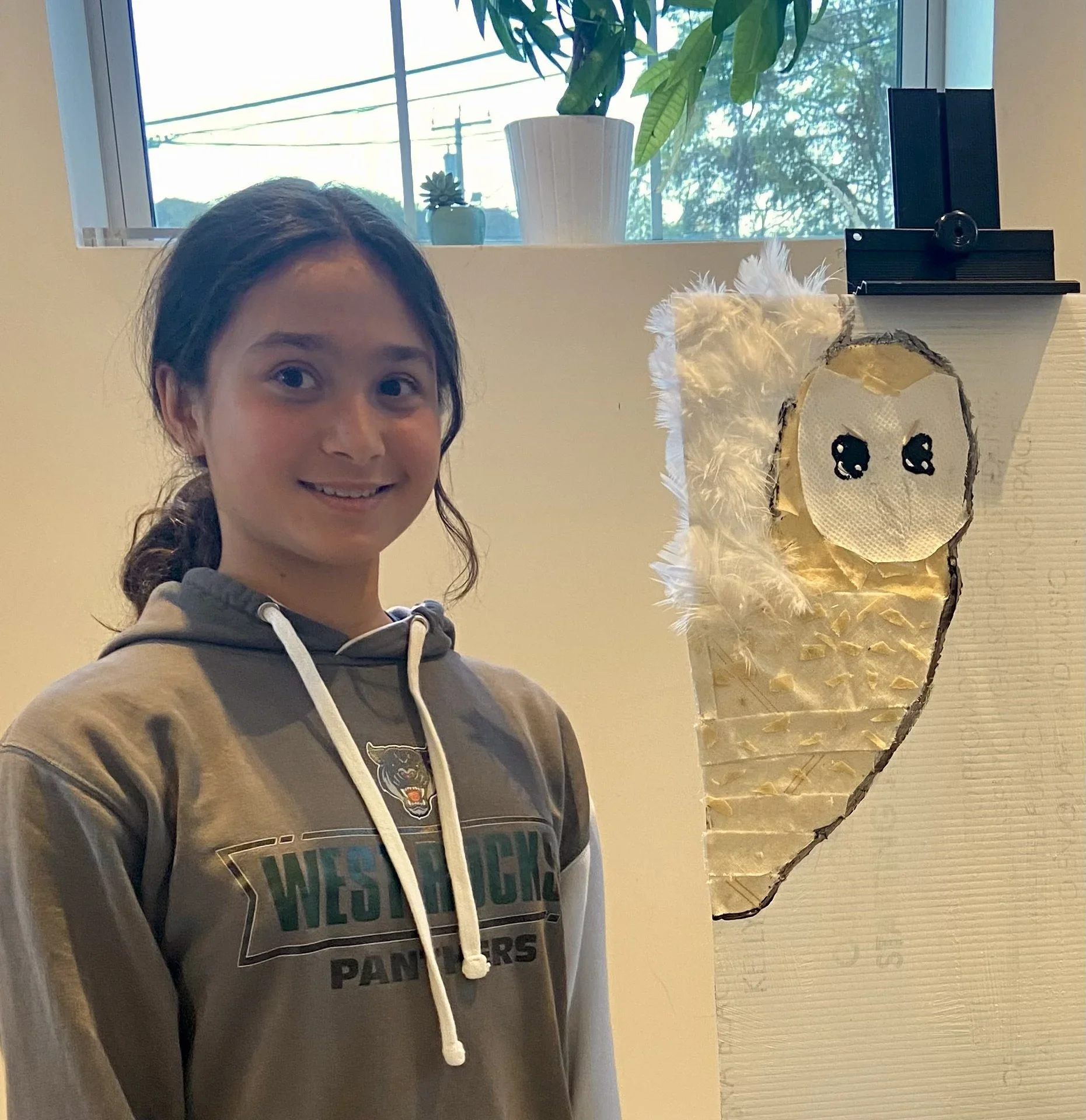
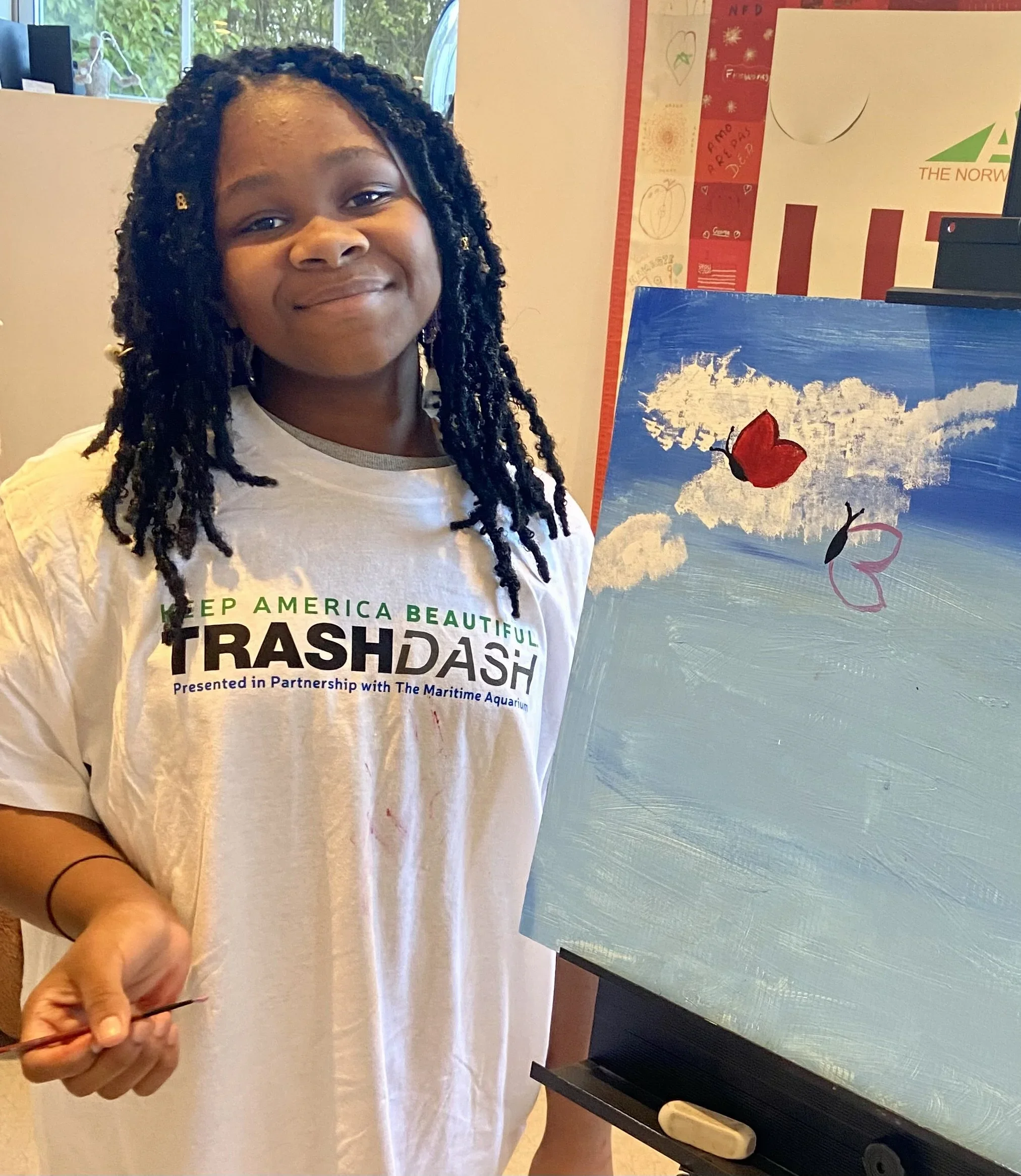
In Norwalk, summer enrichment camps brought learning and recreation together. Certified teachers led hands-on math and literacy activities, while students made time for art, physical play, and trips to places including the Maritime Aquarium, Stepping Stones Museum, and the Bronx Zoo. At Kendall Elementary School, Carver also extended the Norwalk Public Schools Summer Academy day with afternoon enrichment, recreation, and wellness activities.

Summer provided a chance to prepare for a new school. Carver’s middle school transition programs served 246 rising sixth graders, helping them get to know their new schools and peers through academic projects, enrichment, and shared experiences. High school transition programs served 61 rising ninth graders, with activities designed to strengthen academic and social readiness as students approached their first year of high school.

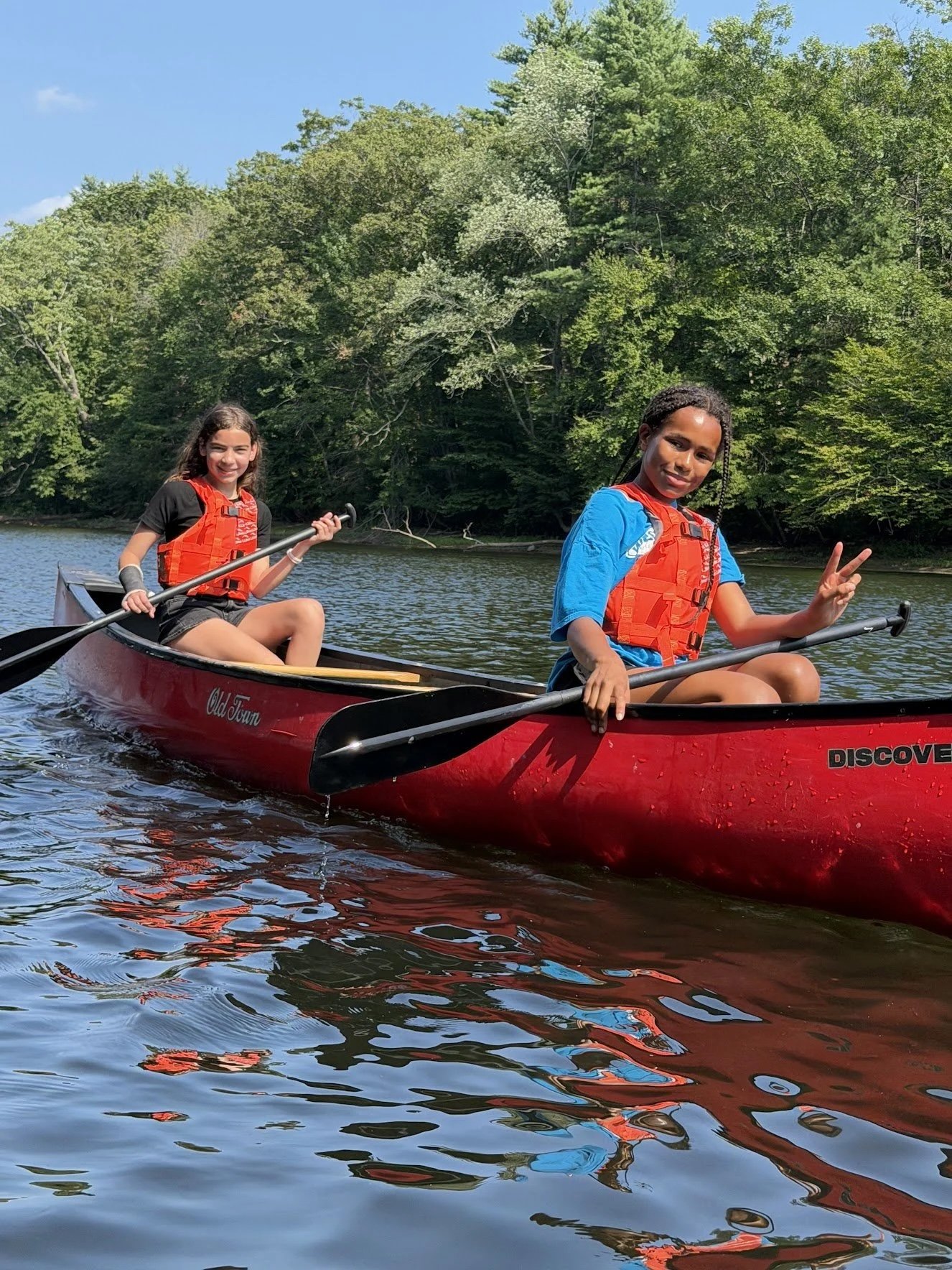
Learning also took students beyond the classroom. Through Carver’s partnership with Ridgebury Farms, campers spent time with animals and explored nature in sessions guided by a licensed mental health counselor. At the Ecology School in Maine, 85 students in grades 6–10 took part in outdoor activities ranging from canoeing and tide pool exploration to gardening and birdwatching. Returning students arrived early to welcome the new sixth-grade participants, putting their own leadership skills into practice.

From a child’s first steps toward kindergarten to a teenager’s preparation for high school, each program offered a different way to grow. Together, they made summer a season of learning, connection, and discovery for Carver students.
Our Cultures, Our Voices, Our Strength: Carver Celebrates Hispanic Heritage Month

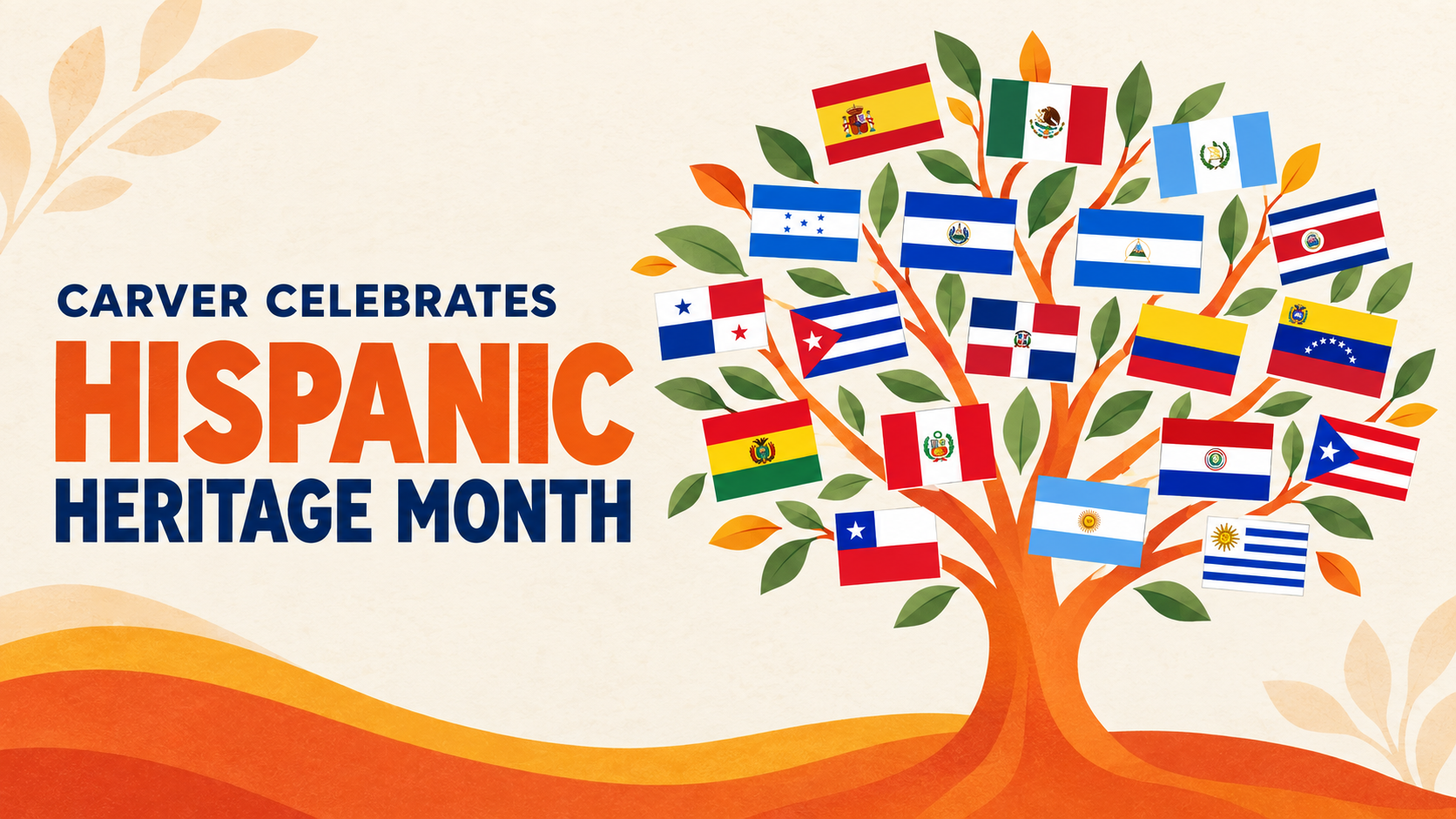
From September 15 through October 15, Carver proudly joins Norwalk Public Schools in celebrating Hispanic Heritage Month and the histories, cultures, achievements, and contributions of Hispanic and Latino Americans.

This observance holds special meaning for the Carver community. Nearly 60% of the students we serve identify as Hispanic, and more than half of all NPS students proudly share this heritage. The languages, traditions, experiences, and aspirations of Hispanic students and families are therefore not simply part of an annual celebration; they are essential to the identity and vitality of Carver, our schools, and Norwalk itself.

Every day, Carver students bring their cultures and perspectives into classrooms, after-school programs, summer learning, leadership activities, creative projects, internships, and college and career preparation. Their voices strengthen our programs, deepen our understanding of one another, and help shape our community's future.

Hispanic and Latino Americans have made lasting contributions as educators, entrepreneurs, public servants, artists, scientists, advocates, and leaders. Hispanic Heritage Month gives us an opportunity to learn more about those contributions while also recognizing the young people in our own community who are building upon that legacy.

The celebration begins on September 15 because that date marks the independence anniversaries of Costa Rica, El Salvador, Guatemala, Honduras, and Nicaragua. Mexico celebrates its independence on September 16, followed by Chile on September 18. What began as a week-long national observance in 1968 expanded to a full month in 1988, allowing more time to honor the remarkable breadth and diversity of Hispanic heritage.

That diversity will take center stage at the fifth annual NPS Hispanic Heritage Festival on Thursday, October 22, from 5:45 to 8:00 p.m. at Brien McMahon High School.

This year’s theme—“UNIDOS, SOMOS MÁS: TOGETHER, WE ARE MORE”—beautifully expresses the spirit of both NPS and Carver. Students will share powerful performances in dance, music, visual arts, theater, and spoken word, celebrating the traditions, creativity, and achievements of Hispanic cultures.

Carver’s long-standing partnership with NPS is rooted in the belief that students thrive when schools, families, and community organizations work together. Cultural understanding and belonging are vital parts of that work. When students see their identities respected and their voices welcomed, they are better positioned to learn, lead, and imagine what is possible.

During Hispanic Heritage Month—and throughout the year—we celebrate our Hispanic students, families, educators, staff members, and community partners. We are grateful for all they contribute to Carver and Norwalk.

Together, we honor where we come from. Together, we elevate every voice. Together, we are more.

Progress Through Partnership: Celebrating Norwalk Public Schools

The story of Norwalk Public Schools is not captured by any single test score, superintendent’s tenure, or school year. It is a story of sustained effort across changing leadership, evolving academic standards, and the unprecedented disruption of a global pandemic.

Most importantly, it is a story of progress.

Since Carver began expanding its partnership with Norwalk Public Schools, the district’s four-year graduation rate has risen from approximately 84% to a record 92.6%. Norwalk has now ranked first in graduation rates among Connecticut’s larger urban districts for three consecutive years, and its latest rate stands well above the statewide average of 88.9%.

The district is also reaching important academic milestones. Norwalk students recently surpassed statewide growth rates in both English language arts and mathematics. Science performance exceeded the Connecticut average for the first time in the district’s available records. Following the extraordinary challenges of the pandemic, chronic absenteeism has fallen by nearly nine percentage points—from 26.8% in 2021–22 to 17.9% in the latest reported year.

These accomplishments belong first to Norwalk’s students. They also reflect the dedication of teachers, administrators, support professionals, families, Board of Education members, community partners, and successive district leaders who have continued building on one another’s work.

Carver has been honored to participate in that shared effort.

What began as an incremental expansion into Norwalk’s schools has grown into a district-wide partnership serving students from kindergarten through high school.

Throughout that journey, Carver has worked closely with every NPS superintendent and with principals across the district. Leadership has changed, but the essential relationship has remained constant: a mutual commitment to helping Norwalk’s young people succeed.

That collaboration now reaches every Norwalk public school. Certified teachers and Carver staff provide before-school, after-school, summer, transition, college-readiness, enrichment, wellness, and workforce-development opportunities. Carver’s role is not separate from the work of the schools. It is designed to reinforce and extend that work, giving students additional time, relationships, experiences, and support.

Norwalk students are graduating at a historic rate. Academic growth is exceeding statewide growth. Science performance has reached a new benchmark. Attendance is recovering since the pandemic. Those are meaningful achievements worthy of recognition.

As NPS prepares for its next chapter of leadership, Carver celebrates the educators and administrators who brought the district to this point and remains committed to the partnership that has connected our organizations through the years.

Carver is proud to continue that work alongside Norwalk Public Schools.

The Best Part of a New School Year? Seeing Students Find Their Place

The first days of school bring plenty of motion—new schedules, new teachers, new classmates, and new expectations. But as the school year settles into its rhythm, something more important begins: students find their place.

A familiar face welcomes them after school. A teacher notices when they need encouragement. A new friendship begins. A student discovers an activity, subject, or talent that makes the day feel a little more exciting.

These moments may seem small, but they are how confidence and belonging grow.

Across Carver’s programs, students are returning to communities where they are known, supported, challenged, and encouraged to imagine what comes next. Whether they are completing homework, creating something, exploring a career, playing on a team, or simply talking with a trusted adult, they are building connections that can shape the entire year.

A new school year is not defined only by its biggest achievements. It is also built through countless everyday moments when a young person realizes: I belong here. I can do this. Someone believes in me.

We are grateful to Carver’s students, families, educators, staff, volunteers, and partners for filling these opening weeks with possibility. The year is just beginning—and there is already so much to celebrate.

What We Tell Our Children About September 11

For today’s children, September 11, 2001, belongs to history. They did not witness the events of that morning, yet they grow up surrounded by adults who remember exactly where they were and how they felt.

A child may ask: Why do we still observe this day? Why do people become quiet when they talk about it? What are we supposed to remember?

We remember the nearly 3,000 lives that were lost. We remember the families whose lives were forever changed. We remember the firefighters, police officers, emergency workers, medical professionals, and ordinary people who moved toward danger to help strangers. We also remember the countless acts of kindness that followed—in neighborhoods, schools, houses of worship, and communities across the country.

Children do not need to carry the full weight of that terrible day. But they can understand what it taught us about courage and compassion.

They can understand that helpers are often ordinary people who choose to act when someone needs them. They can understand that communities are strongest when people look beyond their differences and care for one another. And they can understand that remembrance is not only about looking back—it is also about deciding what kind of people we will be today.

At Carver, we prepare young people to enter a complex and interconnected world with knowledge, confidence, and purpose. Part of that preparation is helping them recognize that their choices matter: offering kindness, standing against hatred, including someone who feels alone, serving their community, and becoming a source of hope for others.

On this September 11, we honor those who were lost and those who helped. We invite our young people to remember the simplest and most enduring lesson of that day:

When the world feels frightened or divided, each of us can choose to be a helper.

Show Us the Norwalk You See: Mayor Smyth Invites Young Artists to Enter Citywide Contest

What does Norwalk look like through your eyes?

Mayor Barbara Smyth is inviting young artists across the city to answer that question through “Norwalk Through Your Eyes,” an art contest open to all Norwalk students in kindergarten through Grade 12.

Students may create an original work portraying the Norwalk they know and value—its people, neighborhoods, schools, waterfront, parks, landmarks, cultural traditions, or an everyday moment that captures the character of our community. Entries will be judged in three age groups: Grades K–5, Grades 6–8, and Grades 9–12.

Each student may submit one original, two-dimensional work, including a drawing, painting, or original digital artwork. Entries may be no larger than 24 by 24 inches. AI-generated images, copyrighted material, and logos are not permitted: this contest is about each young artist’s own imagination, perspective, and creative voice.

Every entry must include a title and a brief artist statement of one to three sentences explaining the work and its connection to Norwalk.

The contest is accepting entries now through October 16, 2026. Selected artwork will be displayed at Norwalk City Hall, and winners will be recognized at a mayoral reception and featured through the City’s social-media channels. Winners are expected to be announced by October 31.

Carver encourages young people throughout Norwalk—not only experienced artists—to participate. Art can help us notice familiar places differently, share stories that might otherwise go unheard, and show others what makes our city meaningful. Your Norwalk may be a harbor view, a busy neighborhood, a family celebration, a school community, or a quiet moment known only to you.

Pick up your pencils, brushes, markers, or digital tools and show the city Norwalk through your eyes.

Visit the official Mayor’s Art Contest page for the online entry form, permission form, complete contest rules, and current artwork drop-off instructions.

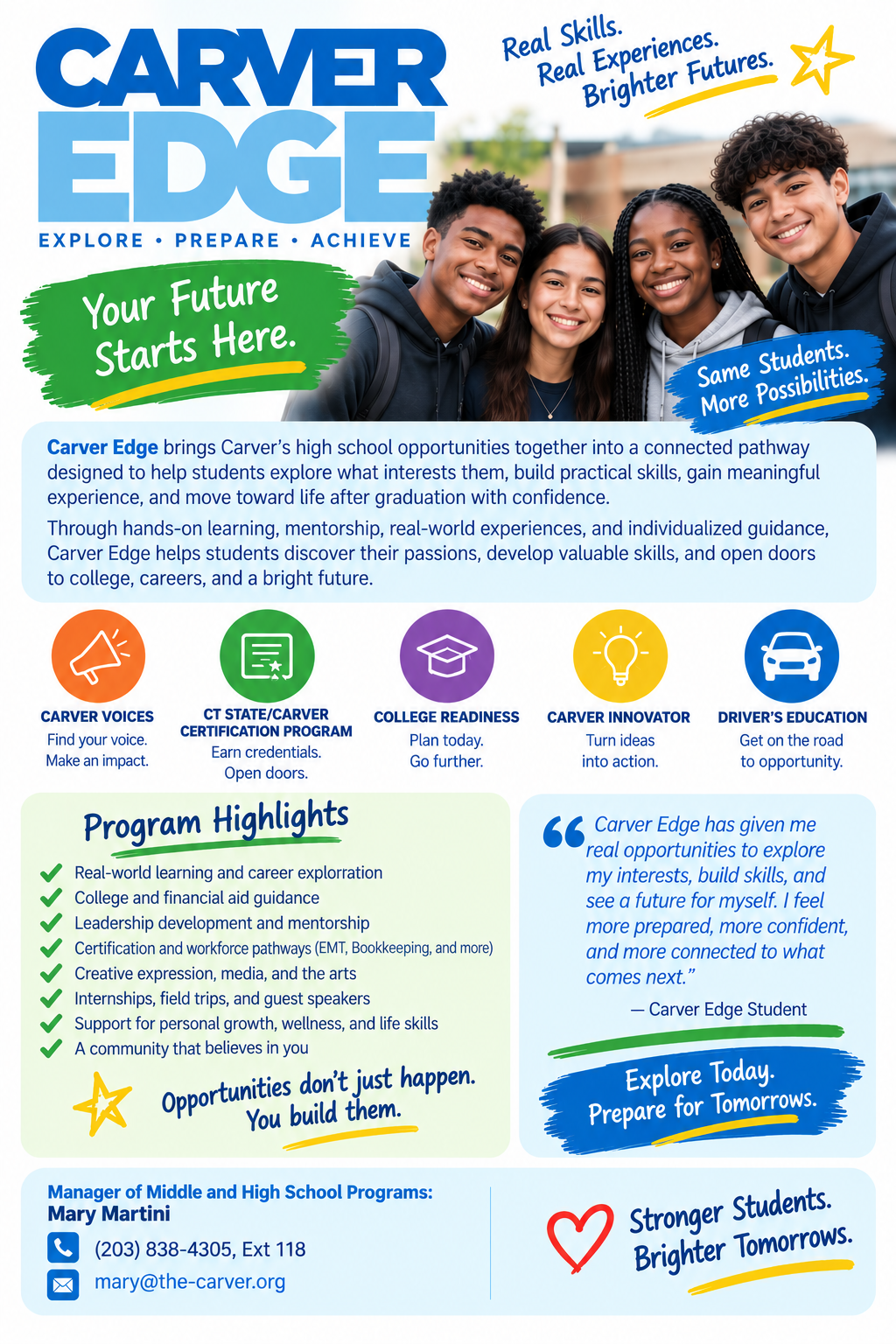
Carver Edge: Building the Future Beyond the Classroom

Free Fall Art & Music Classes Are Back at The Norwalk Art Space

For young people who love to draw, paint, create, make music, or simply want to try something new, one of Norwalk’s great free opportunities is back this fall.

The Norwalk Art Space is now registering students for its new Fall Free Education Program, with classes beginning September 28.

Responding to strong demand, The Norwalk Art Space is expanding its free art and music offerings this fall with more classes, more sessions, and opportunities for more students. The fall season will be divided into two four-week sessions, with classes designed specifically for middle school students ages 11–14 and more advanced opportunities for high school students ages 14–18.

Best of all, no prior art experience is required.

Weekly art classes are taught by The Norwalk Art Space’s Resident Artists and visiting artists under the direction of Executive Director Duvian Montoya and Educational Director Darcy Hicks. Additional workshops are offered throughout the year in connection with exhibitions and other activities.

Registration is now open for the first four-week session. Registration for the second session will open October 1.

Because these high-quality classes are offered free of charge and space is limited, students should register only if they can attend all sessions of their selected afterschool class. Students interested in a class that is already full can contact The Norwalk Art Space to join the waitlist.

Carver is especially proud of its relationship with The Norwalk Art Space. Some classes and opportunities are reserved specifically for young people participating through community partners, including Carver, the Norwalk Housing Authority, and Family & Children’s Agency.

At Carver, we believe learning happens everywhere—in classrooms, on stages, in studios, in workplaces, and throughout the community. The arts give young people another way to discover their abilities, develop confidence, express themselves, and imagine what might come next.

We encourage Norwalk students and families to explore these outstanding free opportunities this fall.

Classes begin September 28. Registration is open now.

More classes. More students. More creativity. More arts for all.

A September Shoutout for Civic Engagement

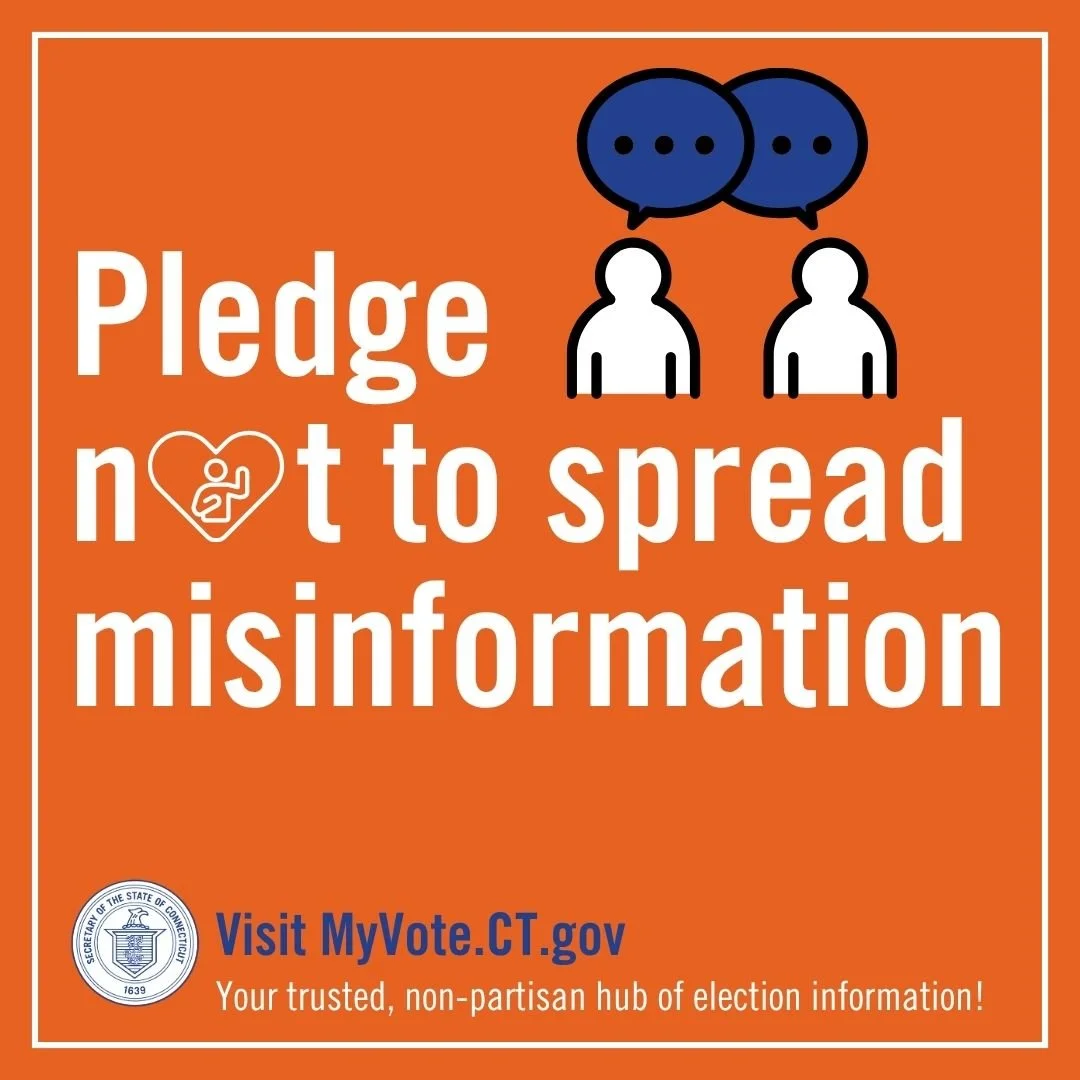
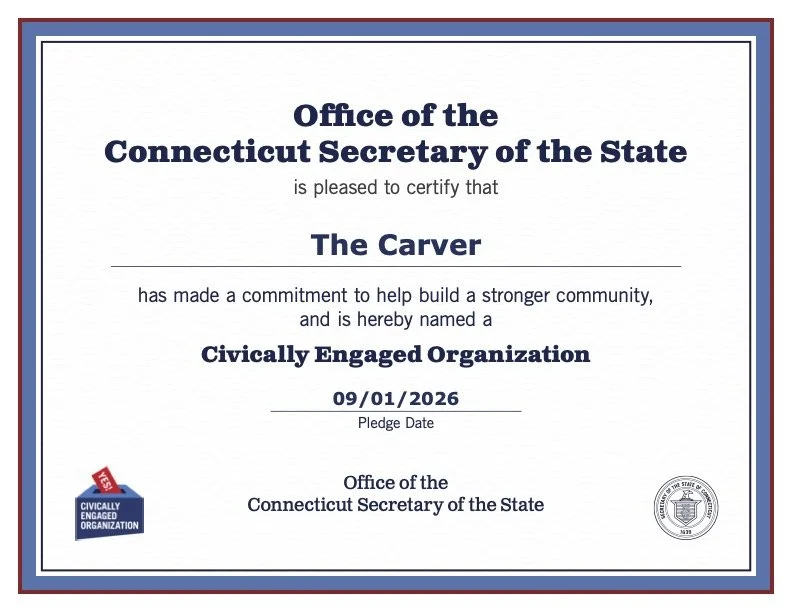
Through the Civically Engaged Organization Pledge—which Carver first took several years ago and has renewed annually ever since—the Office of the Secretary of the State encourages organizations across Connecticut to help their communities become informed and engaged participants in our democracy.

This September, the initiative is highlighting something especially important in today’s information environment: the responsibility we all share to slow the spread of misinformation, check claims before sharing them, and rely on trusted sources for election information.

At Carver, we believe preparing young people for the future means more than academic and career readiness. It also means helping them understand that their voices matter and that informed participation in their communities is part of responsible citizenship.

Connecticut residents can find trusted, nonpartisan election and voter information at MyVote.CT.gov.

The Hour After the Bell

At 3:15, Maya has already been in school for most of the day.

She is tired. She is hungry. A math problem in her backpack, she hopes, will somehow disappear before tomorrow morning.

It won't.

Neither will the adults waiting to help her with it.

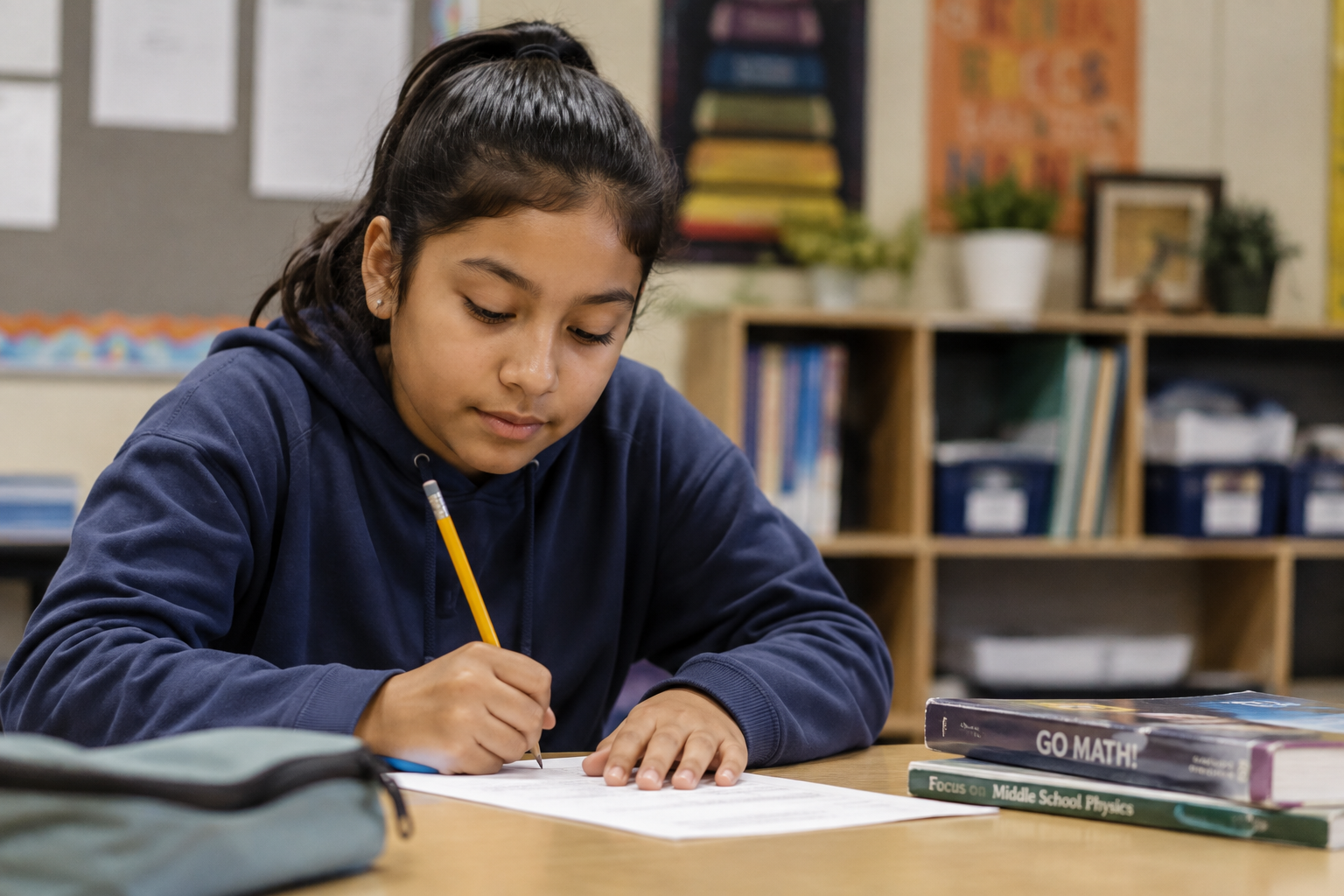
Maya is a fictional student, but her afternoon is familiar to anyone who works with middle school students. She is old enough to want independence and young enough to need more support than she sometimes wants to admit. She knows when she doesn't understand something. She is also becoming very good at making sure nobody else knows.

So when the school day ends, Maya doesn't announce that she needs help.

She gets a healthy snack. She talks with friends. She opens her backpack slowly. Eventually, the math worksheet comes out.

An adult nearby notices.

"How's it going?"

"Fine."

It is the universal middle school answer.

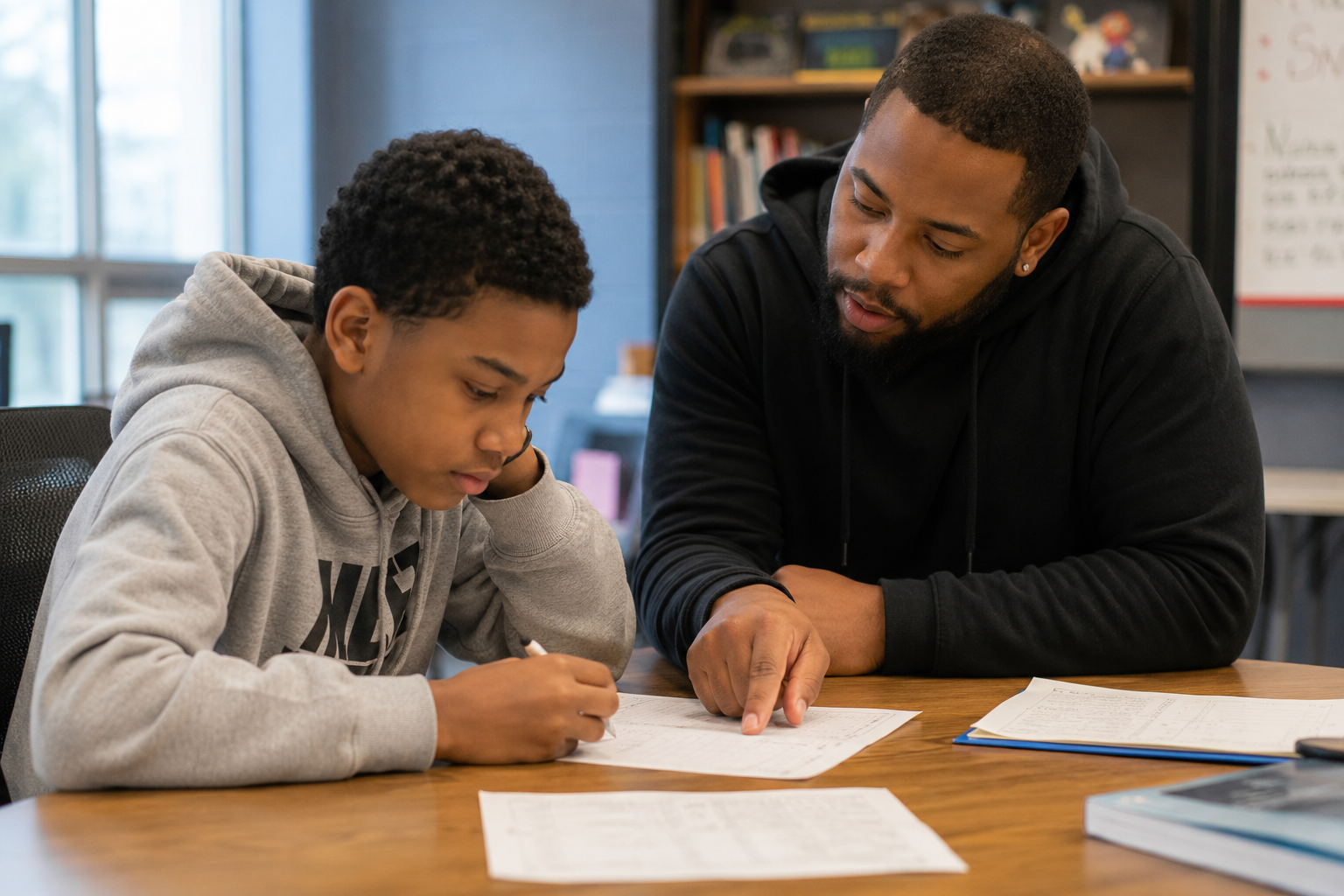
A few minutes later, they are looking at the problem together.

The Hours That Matter

We tend to measure education by what happens during the school day: attendance, grades, test scores, assignments completed, credits earned.

All of those things matter.

But young people do not stop developing when the final bell rings.

The hours after school are filled with choices. Finish the assignment or put it off. Ask for help or pretend you understand. Try something unfamiliar or stay with what you already know. Spend time with people who expect something of you—or with no one expecting very much at all.

For many young people, those hours can shape what happens when they return to school the next morning.

That is why Carver has always understood education as something larger than a classroom or a school schedule.

Sometimes the Work Looks Ordinary

There is nothing particularly dramatic about Maya's afternoon.

No great breakthrough occurs.

Nobody gives a speech.

She struggles with the problem. Someone asks a question instead of giving her the answer. She tries again. Her friend finishes first and begins talking about something else. Maya gets distracted. She comes back to the worksheet.

Eventually, she gets it.

"See?" the adult tells her. "You knew how to do that."

Maybe she did.

Or maybe what she needed was someone who believed she could figure it out and had enough time to wait while she did.

That distinction matters.

Because much of the work of helping young people succeed looks remarkably ordinary while it is happening.

A teacher stays a little longer.

A student tries one more time.

Someone notices when a child who usually talks becomes quiet.

Someone remembers to ask how yesterday's test went.

A young person discovers that adults are paying attention, not only when something goes wrong, but every day.

From One Afternoon to a Future

One completed math problem will not determine Maya's future.

Neither will one afternoon.

But tomorrow there will be another problem, another assignment, another difficult conversation, another opportunity to quit or continue.

And then another.

Over time, something begins to change.

The student who needed encouragement begins attempting the problem before asking for help. The child who was afraid of being wrong starts raising a hand. The middle schooler who could not imagine high school begins thinking about college. Interests emerge. Confidence grows. Possibilities expand.

That is how much of youth development actually happens: gradually, almost invisibly, through thousands of interactions that rarely seem important enough to remember at the time.

Carver has been part of those interactions for generations of young people.

We are there during the school day and after it, during the academic year and the summer, as elementary students become middle schoolers, middle schoolers become high school students, and young people begin imagining lives beyond graduation.

The programs may differ. The ages change. The challenges become more complicated.

But something essential remains the same.

A young person is trying to figure out what comes next.

And someone is there to help.

At 5:30, Maya puts the worksheet back into her backpack.

Tomorrow morning, it will come out again.

This time, completed.

It is a small victory. Almost nobody will notice it.

We do.