
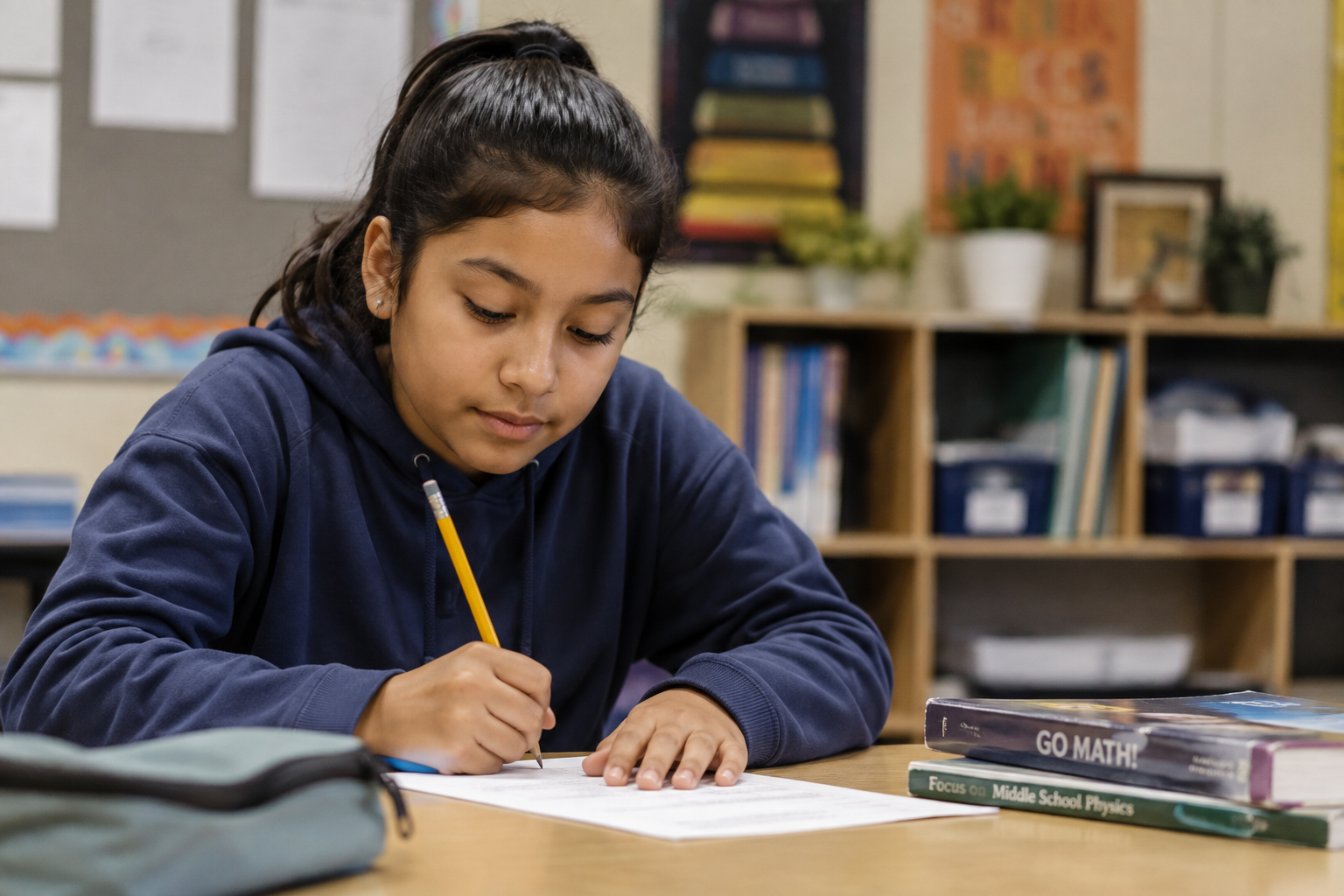
At 3:15, Maya has already been in school for most of the day.
She is tired. She is hungry. A math problem in her backpack, she hopes, will somehow disappear before tomorrow morning.
It won't.
Neither will the adults waiting to help her with it.
Maya is a fictional student, but her afternoon is familiar to anyone who works with middle school students. She is old enough to want independence and young enough to need more support than she sometimes wants to admit. She knows when she doesn't understand something. She is also becoming very good at making sure nobody else knows.
So when the school day ends, Maya doesn't announce that she needs help.
She gets a healthy snack. She talks with friends. She opens her backpack slowly. Eventually, the math worksheet comes out.
An adult nearby notices.
"How's it going?"
"Fine."
It is the universal middle school answer.
A few minutes later, they are looking at the problem together.
The Hours That Matter
We tend to measure education by what happens during the school day: attendance, grades, test scores, assignments completed, credits earned.
All of those things matter.
But young people do not stop developing when the final bell rings.
The hours after school are filled with choices. Finish the assignment or put it off. Ask for help or pretend you understand. Try something unfamiliar or stay with what you already know. Spend time with people who expect something of you—or with no one expecting very much at all.
For many young people, those hours can shape what happens when they return to school the next morning.
That is why Carver has always understood education as something larger than a classroom or a school schedule.
Sometimes the Work Looks Ordinary
There is nothing particularly dramatic about Maya's afternoon.
No great breakthrough occurs.
Nobody gives a speech.
She struggles with the problem. Someone asks a question instead of giving her the answer. She tries again. Her friend finishes first and begins talking about something else. Maya gets distracted. She comes back to the worksheet.
Eventually, she gets it.
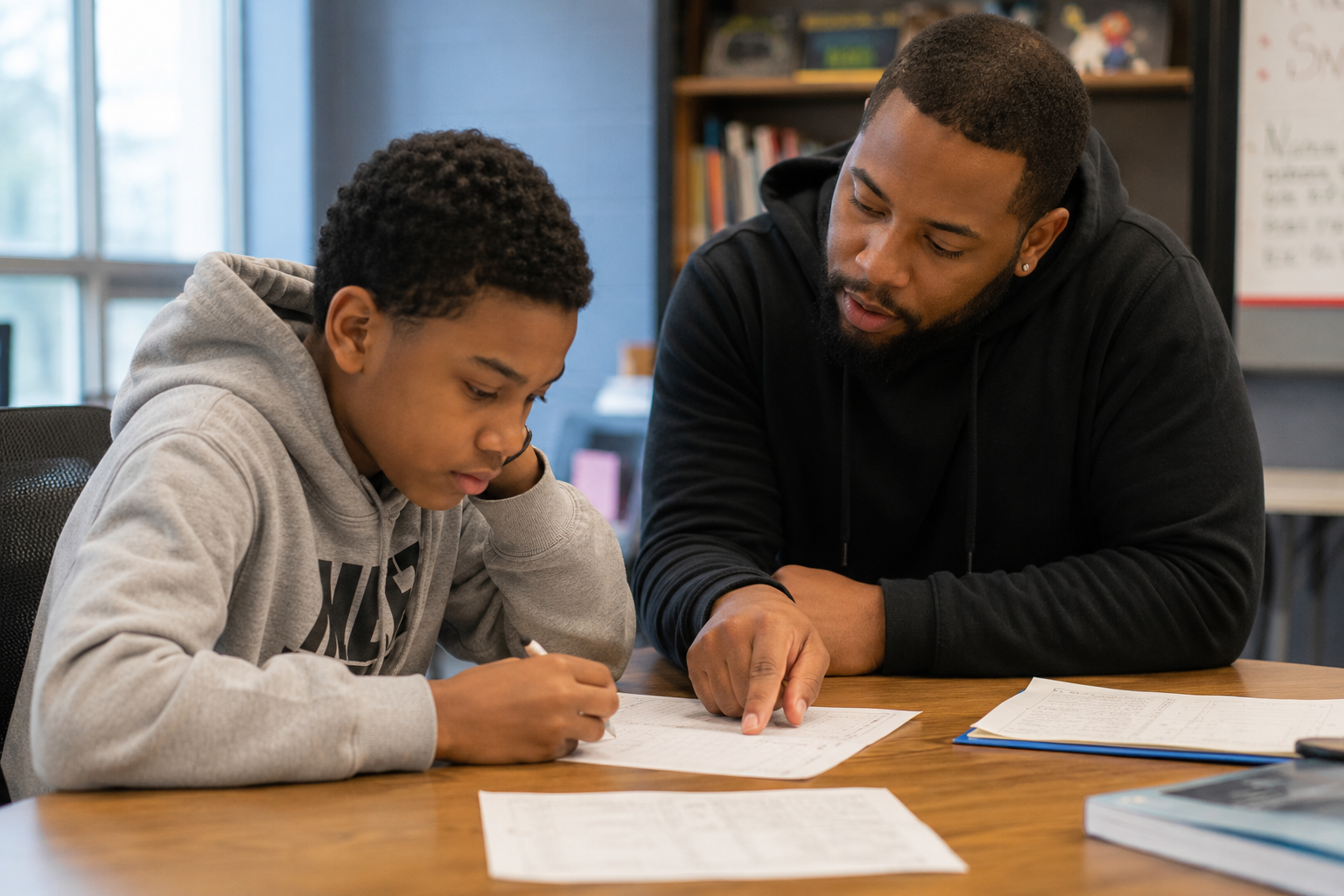
"See?" the adult tells her. "You knew how to do that."
Maybe she did.
Or maybe what she needed was someone who believed she could figure it out and had enough time to wait while she did.
That distinction matters.
Because much of the work of helping young people succeed looks remarkably ordinary while it is happening.
A teacher stays a little longer.
A student tries one more time.
Someone notices when a child who usually talks becomes quiet.
Someone remembers to ask how yesterday's test went.
A young person discovers that adults are paying attention, not only when something goes wrong, but every day.
From One Afternoon to a Future
One completed math problem will not determine Maya's future.
Neither will one afternoon.
But tomorrow there will be another problem, another assignment, another difficult conversation, another opportunity to quit or continue.
And then another.
Over time, something begins to change.
The student who needed encouragement begins attempting the problem before asking for help. The child who was afraid of being wrong starts raising a hand. The middle schooler who could not imagine high school begins thinking about college. Interests emerge. Confidence grows. Possibilities expand.
That is how much of youth development actually happens: gradually, almost invisibly, through thousands of interactions that rarely seem important enough to remember at the time.
Carver has been part of those interactions for generations of young people.
We are there during the school day and after it, during the academic year and the summer, as elementary students become middle schoolers, middle schoolers become high school students, and young people begin imagining lives beyond graduation.
The programs may differ. The ages change. The challenges become more complicated.
But something essential remains the same.
A young person is trying to figure out what comes next.
And someone is there to help.
At 5:30, Maya puts the worksheet back into her backpack.
Tomorrow morning, it will come out again.
This time, completed.
It is a small victory. Almost nobody will notice it.
We do.