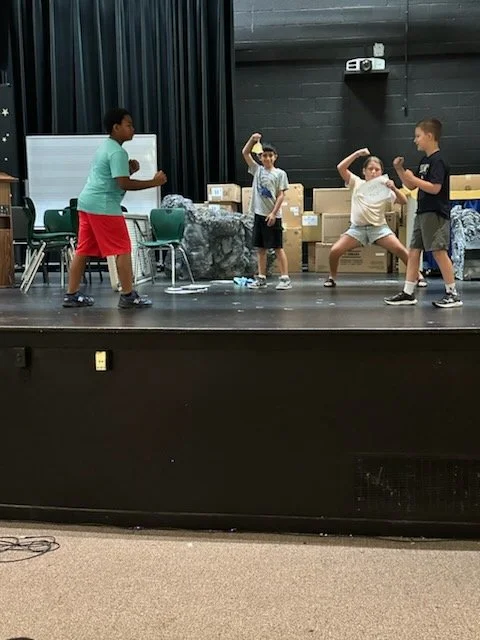
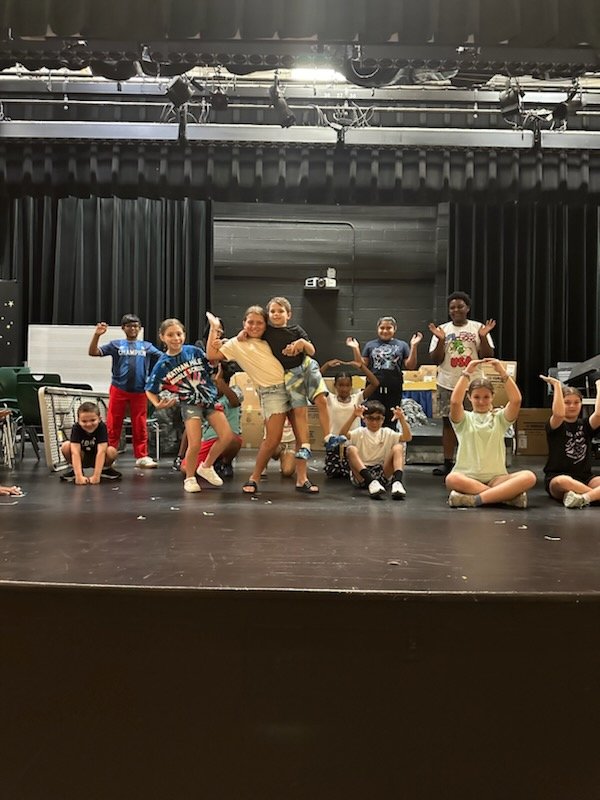
Mr. Schuyler Livingston’s English language arts students stepped out of their seats and onto the stage as they explored “Amigo Brothers,” a powerful short story about friendship, competition, loyalty, and sportsmanship.
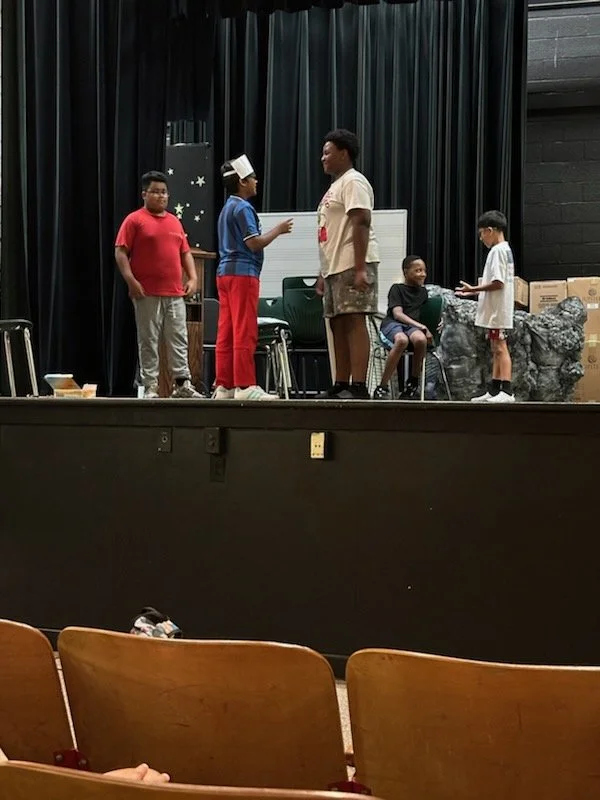
“Amigo Brothers” follows Antonio Cruz and Felix Vargas, two close friends and talented young boxers who must face each other in a championship match. Both want to win, but neither wants the competition to damage the friendship they value more than victory. After an intense bout, the friends leave the ring together—demonstrating that loyalty and mutual respect matter more than being declared the winner.
To deepen their understanding of the story, students worked together to create a Plot Mountain Tableau. After identifying the story’s exposition, rising action, climax, falling action, and resolution, each group selected an important moment from every stage of the plot and transformed it into a frozen scene.
With carefully chosen poses, facial expressions, and arrangements onstage, students created living snapshots of Antonio and Felix’s journey. Each tableau required them to think closely about what was happening in the story, why the moment mattered, and how they could communicate its meaning without movement or dialogue.
The activity turned literary analysis into an exercise in creativity and collaboration. Students had to reach agreement about the story’s key events, interpret the characters’ emotions and motivations, and decide how their bodies and expressions could represent those ideas for an audience.
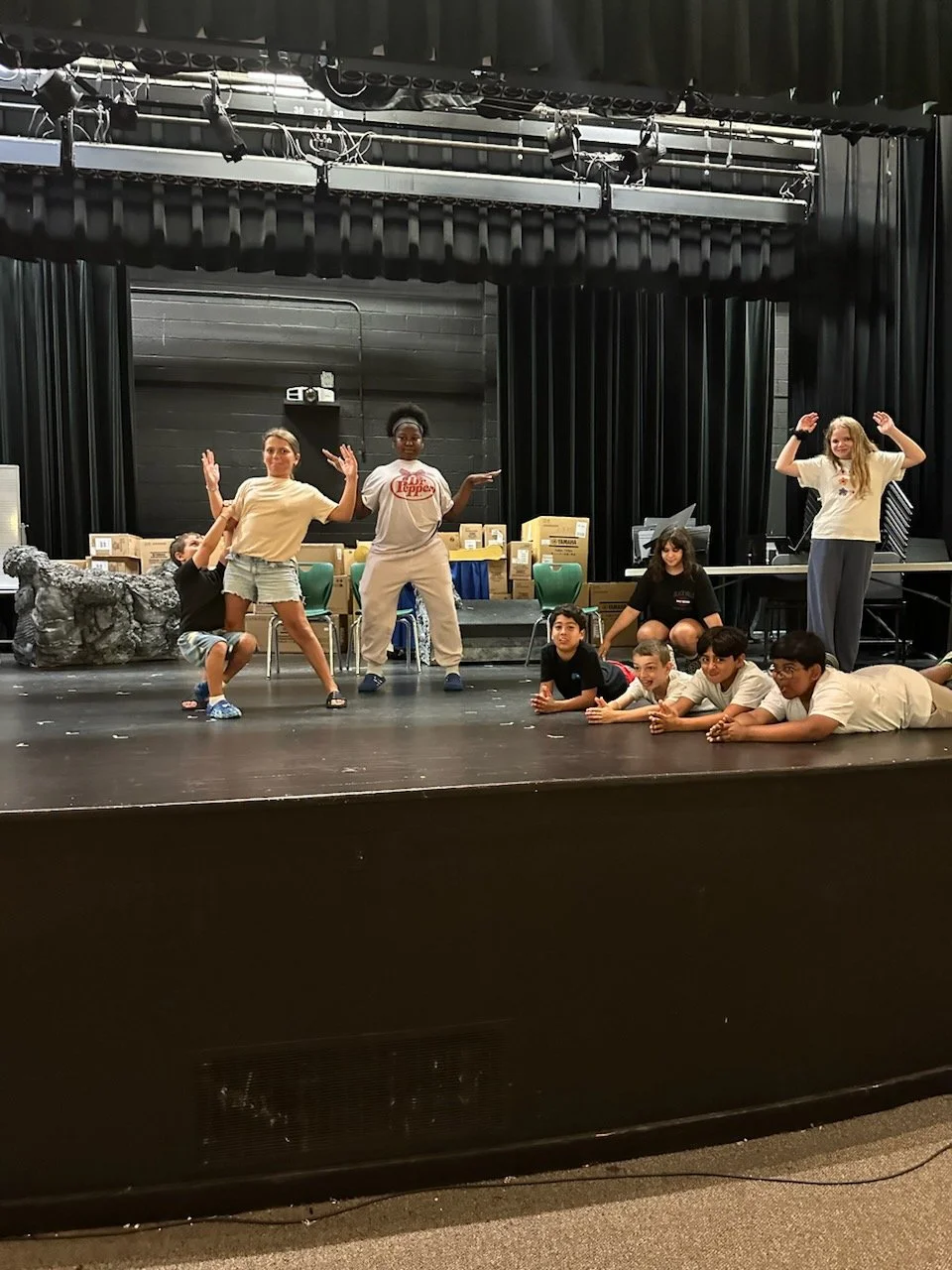
Their scenes also highlighted the deeper lessons within “Amigo Brothers.” Antonio and Felix show that competition does not have to destroy respect, that true strength includes discipline and emotional control, and that friendship can endure even the fiercest rivalry.
Learning does not always happen at a desk. By bringing the story to life onstage, Mr. Livingston’s students strengthened their understanding of plot structure while practicing teamwork, critical thinking, communication, and creative expression. The result was a memorable lesson in literature—and a compelling reminder that, both in stories and in life, character matters more than victory.
The creativity and engagement evident throughout Nathan Hale’s Summer Transition Program reflect the daily leadership of Christy Counts, eighth-grade language arts teacher and director of both the B.A.R.K. (Carver) Afterschool Program and the Grade 6 Summer Transition Program. Her thoughtful direction creates an environment in which students feel welcomed, challenged, and excited to learn as they prepare for a confident start to middle school.