
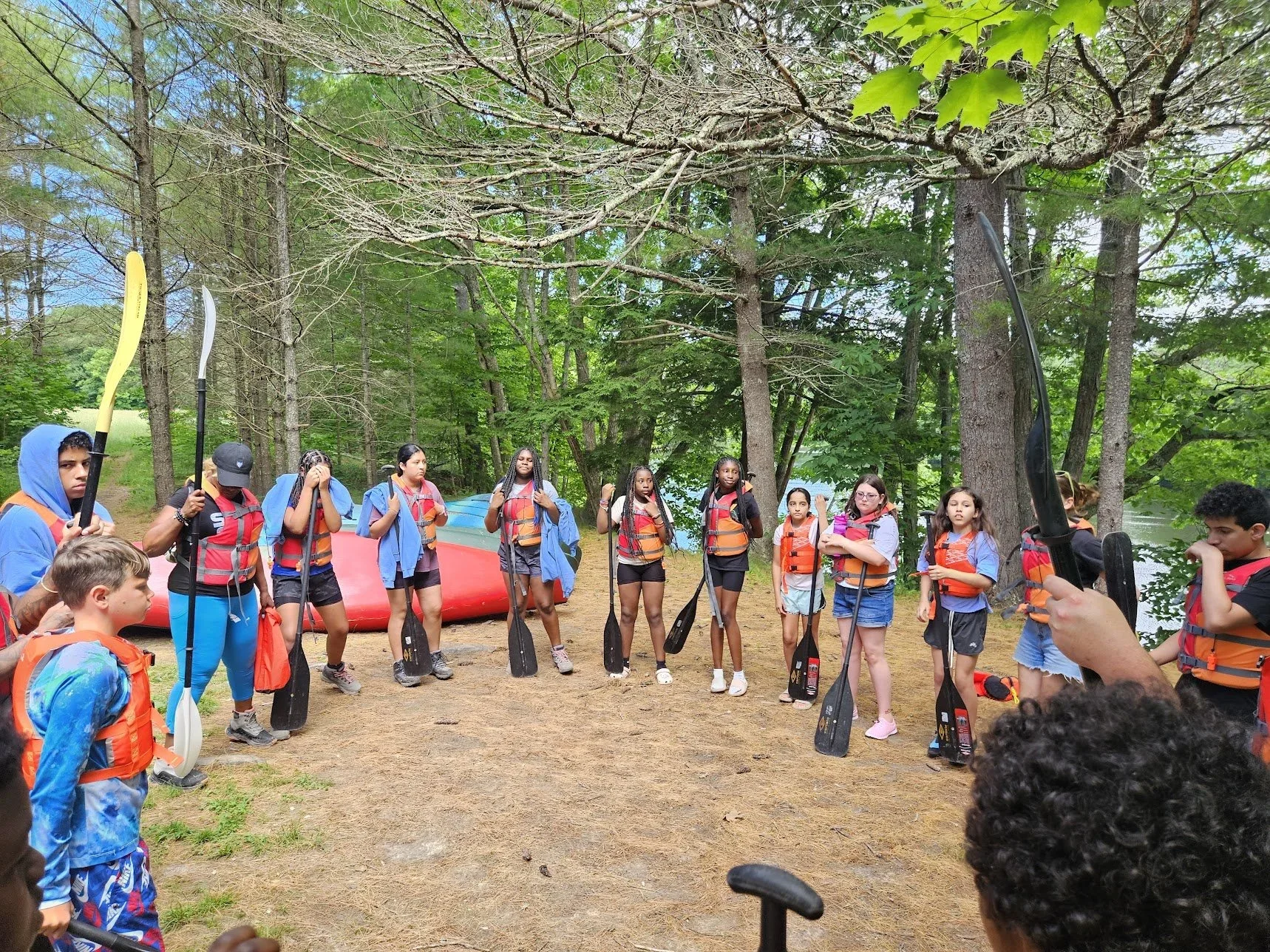
Each summer, Carver students travel from Norwalk to Maine for something that is increasingly rare in young people's lives: days spent learning, living, working, and exploring together in the natural world.
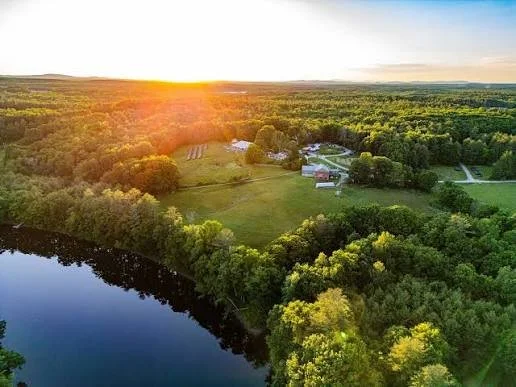
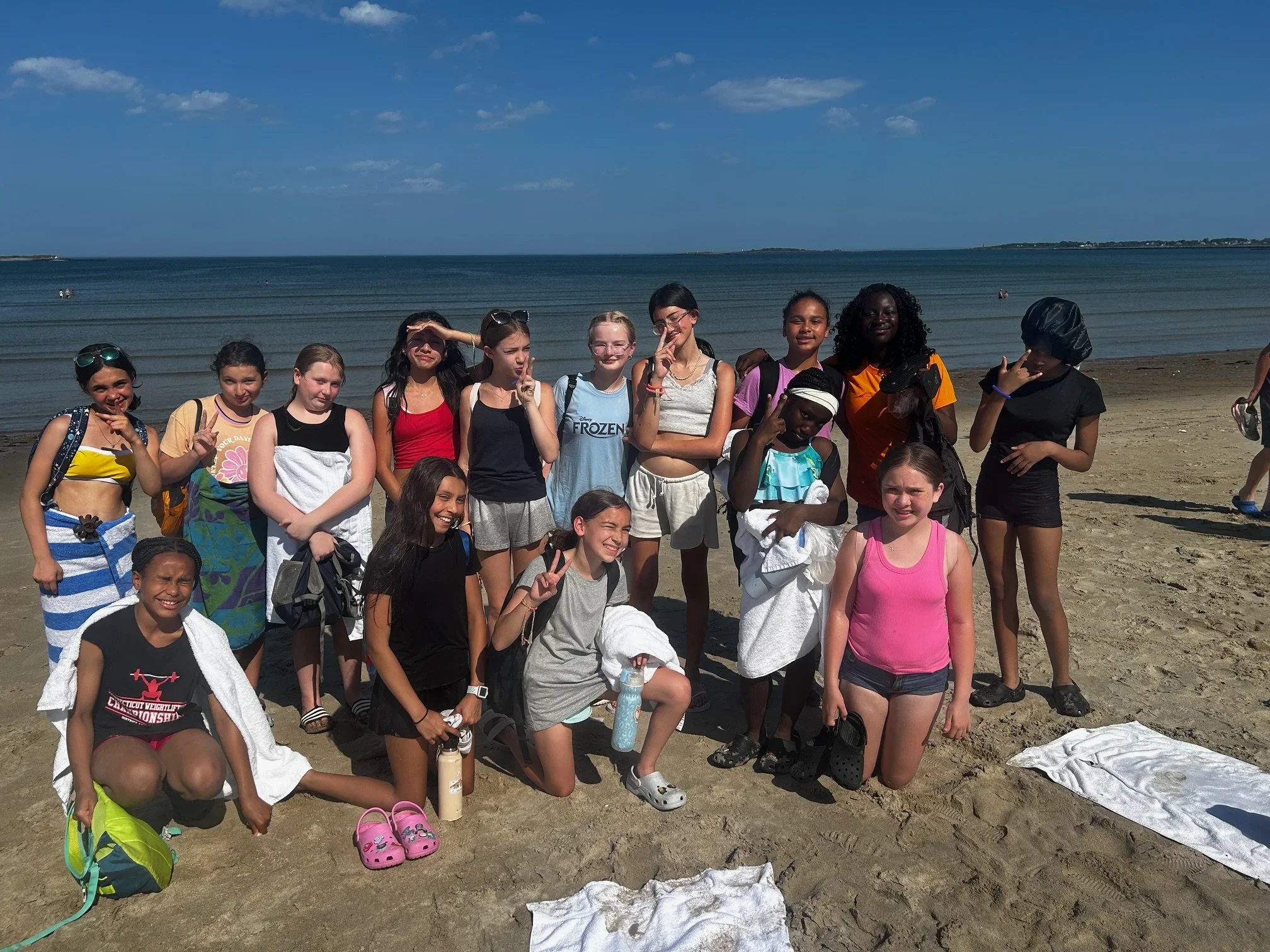
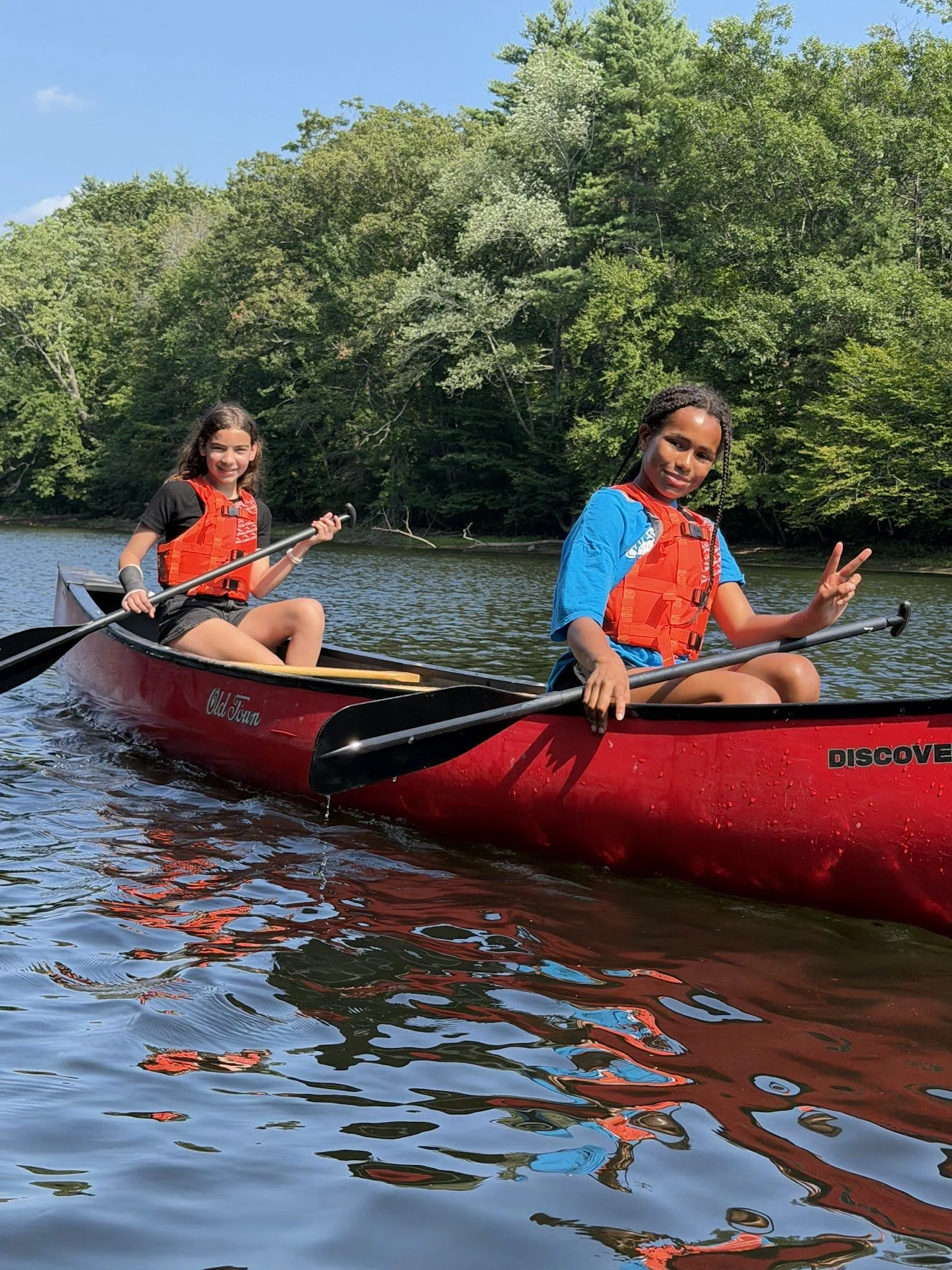
The photographs tell one part of the story — hiking trails, water, woods, friendships, challenges, and the sheer pleasure of being somewhere different.
Now, Carver's assessment of the 2026 Ecology School experience tells us something more about what students brought home.
This summer, 85 Carver students in grades 6 through 10 participated in the program. Educators assessed students near the beginning and again near the end of camp, looking at outdoor and experiential skills, environmental awareness, independence and confidence, problem-solving, leadership, relationships, and participation in camp life.
The results suggest that the experience matters in ways that extend well beyond learning about nature.
Among sixth- through eighth-grade campers, 94% met or exceeded expectations in outdoor and experiential comfort by the end of camp, while 91% met or exceeded expectations in problem-solving. Seventeen individual students improved their problem-solving scores — the strongest individual gains recorded for the younger group.
The results among Carver's ninth- and tenth-grade students were especially striking.
By the end of the experience, 100% met or exceeded expectations for independence and confidence. Ninety-three percent met or exceeded expectations in both environmental awareness and outdoor and experiential leadership. Environmental awareness improved for 10 of the 17 older campers, and their average score for embodying the camp ethos rose from 3.29 to 4.00 — the largest average gain recorded in any domain since the program began.
That distinction is important. Older students are not simply returning to camp to repeat an experience they had when they were younger. Their assessment asks more of them: whether they take initiative, lead peers, volunteer for responsibilities, support younger campers, and model the community's values.
And then there is what the campers themselves said.
100% said they felt comfortable outdoors.
98% said they learned about nature.
96% said they included others.
95% said they felt confident.
91% said they tried new approaches when facing challenges.
88% said they handled their emotions.
Overall, 93% said they enjoyed camp, 80% said they would probably or absolutely return, and 88% said they would recommend the experience to a friend. Asked to name the best part of camp, 55% answered simply, “All of it!” Another 24% chose making new friends.
One camper captured something that numbers cannot quite measure:
“I really liked how everyone here got closer this year.”
Another wrote:
“I loved hanging out and teaching with the other younger kids.”
And one camper offered perhaps the most unexpected measure of what a week immersed in Maine's natural environment can accomplish:
“After this trip I will probably stay off my phone for a good 2 weeks.”
Carver has long believed that learning does not stop at the classroom door. Experiences such as The Ecology School give young people opportunities to test themselves in unfamiliar surroundings, depend upon one another, become comfortable outdoors, assume responsibility, and discover capacities that may not emerge during an ordinary school day.
The 2026 assessment gives Carver a stronger way to understand and document those outcomes. It also points toward an important lesson for the future: peer connection itself is an outcome worth measuring. Nearly one-quarter of campers identified making new friends as the best part of their experience, prompting Carver's evaluation team to recommend explicitly measuring peer connection in future assessments.
The buses eventually come home. The backpacks are unpacked. The photographs become memories.
But some things return from Maine with the students — greater confidence, new friendships, a willingness to try something unfamiliar, and the experience of discovering that they can do more than they thought they could.