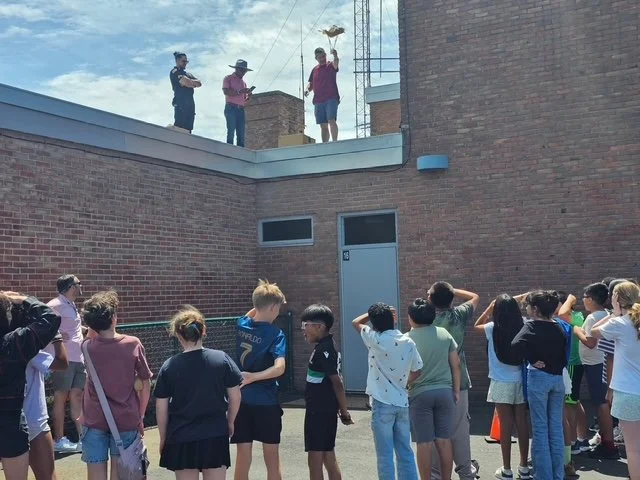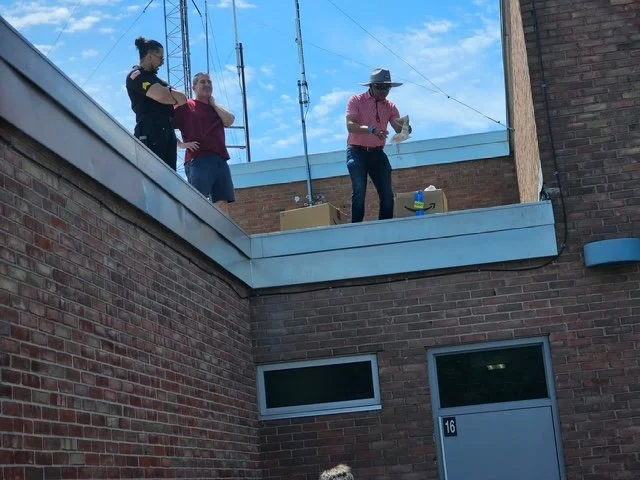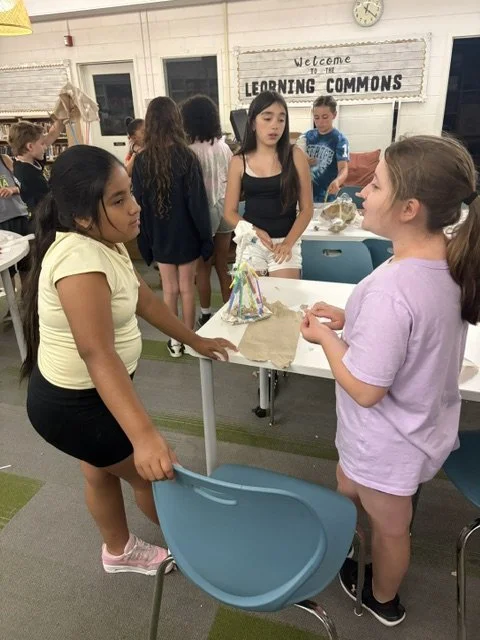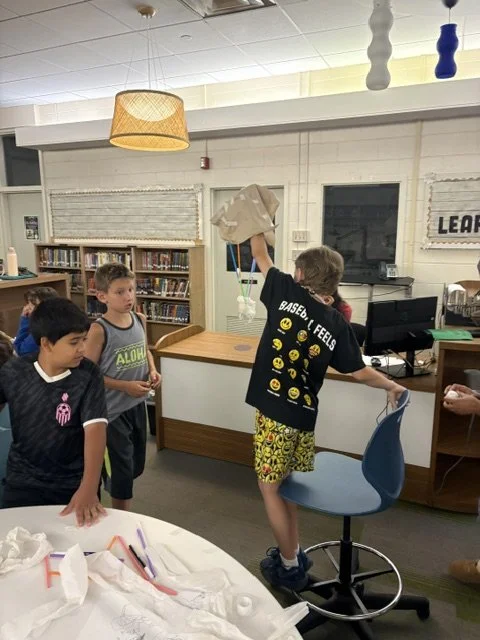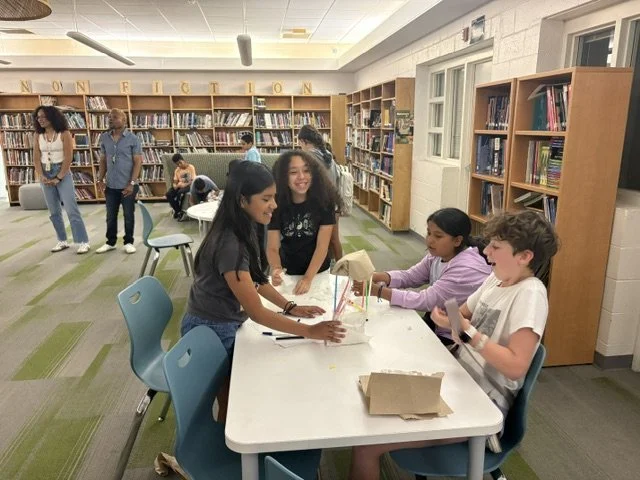
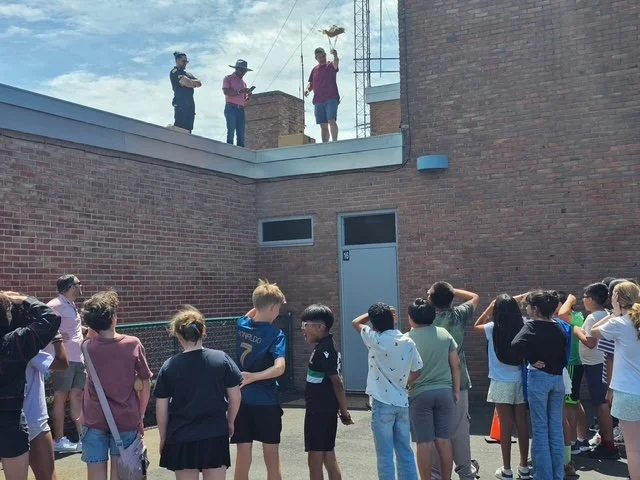
The week’s largest engineering challenge unfolded over several days. Using only plastic wrap, straws, tissue, paper towels, and tape, students designed devices to protect eggs dropped from the roof of West Rocks.
Week 2 of Carver’s Summer Transition Program at West Rocks Middle School gave rising sixth graders exciting opportunities to predict, experiment, design, and discover, all while building the confidence, relationships, and problem-solving skills that will help them succeed in middle school.
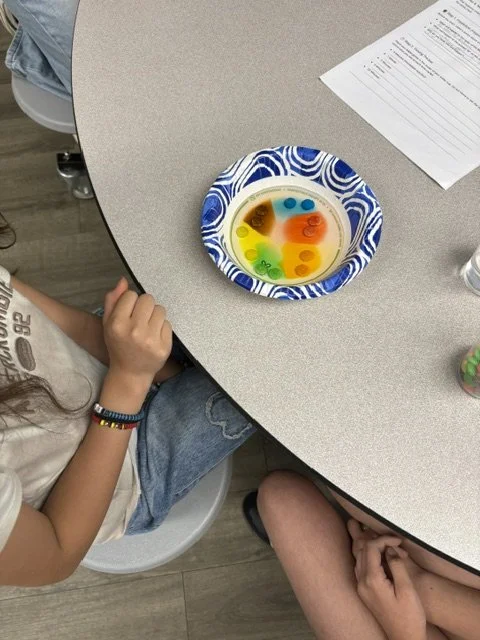
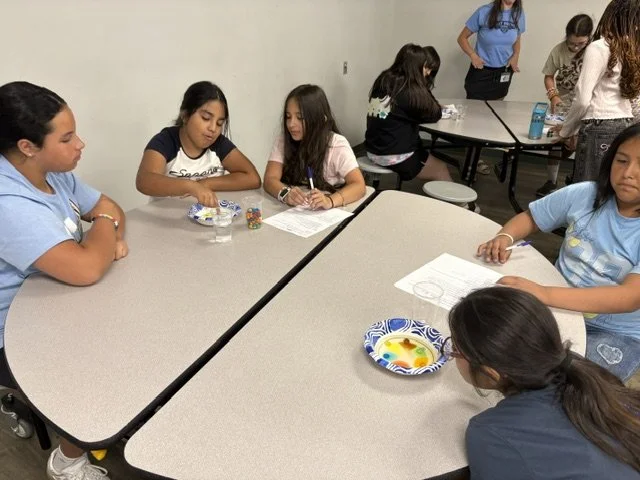
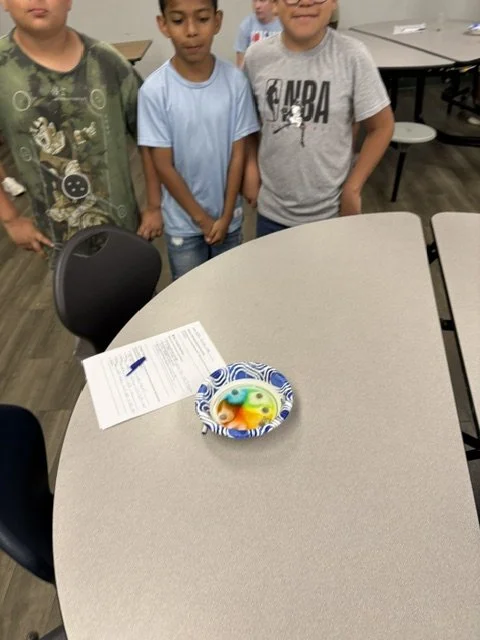
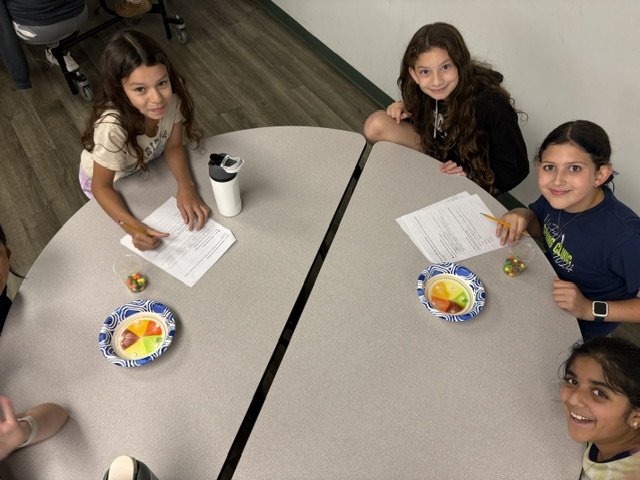
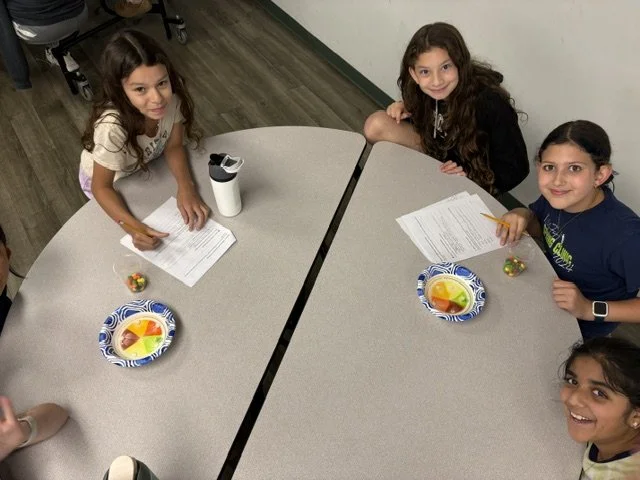
Students began by investigating what happens when M&M’s are placed in water. Before conducting the experiment, they predicted how the colors would react and what would happen to each candy’s familiar “m.” They then carefully observed, recorded, and compared their results. A similar experiment with Skittles allowed students to test new predictions and explore how different candy coatings react to water.
The week’s largest engineering challenge unfolded over several days. Using only plastic wrap, straws, tissue, paper towels, and tape, students designed devices to protect eggs dropped from the roof of West Rocks. The challenge required creativity, collaboration, and persistence as students considered how to cushion their eggs, distribute the impact force, and improve their designs.
Visits from Earthplace and Mad Science of Connecticut brought two complementary forms of STEM enrichment to the program.
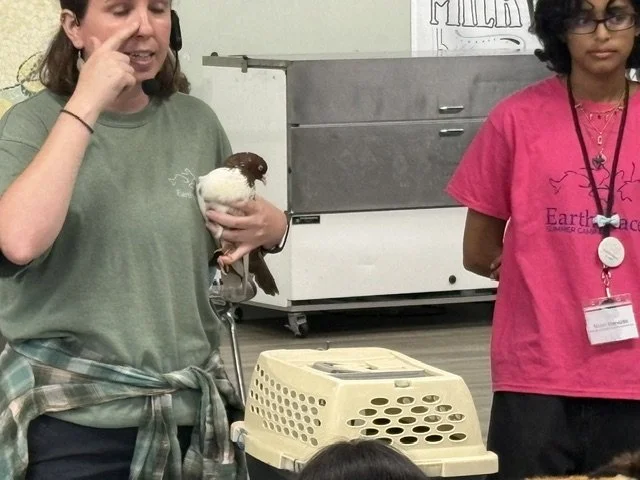
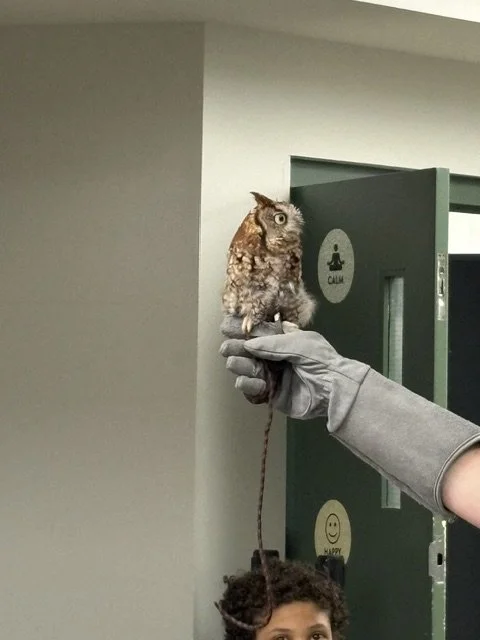
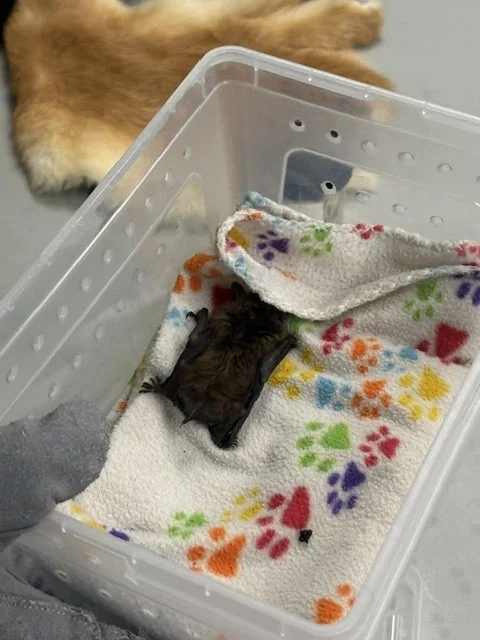
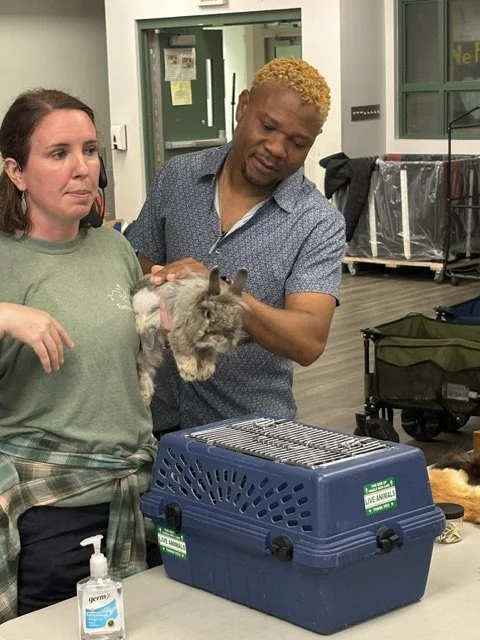
Earthplace, a nonprofit environmental education and conservation center in Westport, uses wildlife and nature-based learning to help young people understand ecology, biodiversity, and environmental stewardship. Its educators introduced students to an owl, a bat, a pigeon, and a bunny. Through these close encounters, students learned how animals survive, how their physical and behavioral adaptations help them thrive, and how Earthplace cares for wildlife that has been injured.
The experience encouraged careful observation, curiosity, and empathy while helping students understand the relationships between animals and their environments. Earthplace has been a memorable part of Carver’s previous summer programming at West Rocks, connecting classroom science to the natural world.
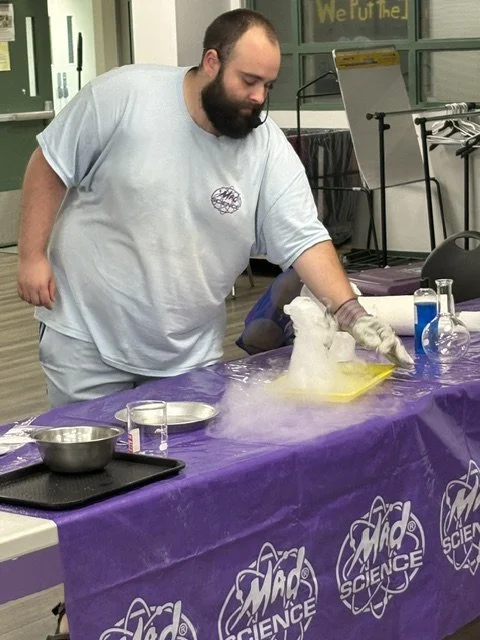
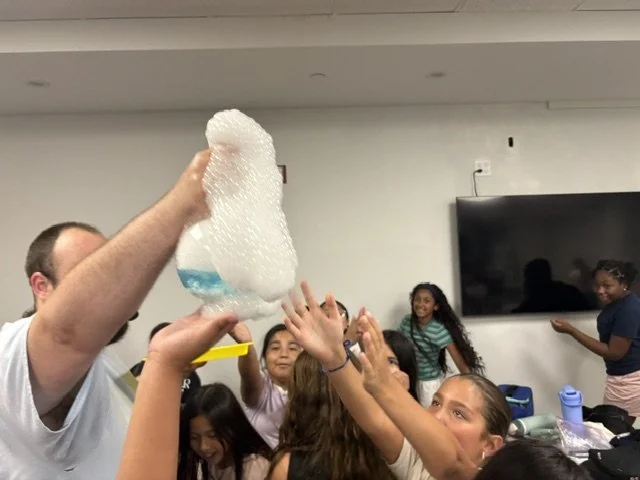
Mad Science approached STEM from a different but equally engaging direction. Its high-energy, lab-style presentation made scientific concepts visible through hands-on experiments involving chemical reactions. Students watched materials transform, considered why the reactions occurred, and participated in activities that made abstract principles exciting and accessible. Mad Science programs use dramatic demonstrations and playful experimentation to introduce young learners to chemistry, physics, engineering, technology, and other STEM fields.
Together, Earthplace and Mad Science gave students two distinct ways to experience science: one grounded in wildlife and the environment, and the other in experimentation and chemical discovery. Their visits complemented the week’s student-led investigations and engineering challenge, reinforcing that science begins with curiosity, careful observation, and a willingness to test ideas.
Led by longtime Carver educator Michael Richards, the Summer Transition Program helps rising sixth graders enter West Rocks with greater confidence, stronger peer relationships, and an eagerness to embrace new academic challenges. Week 2 showed students that learning is especially powerful when they can ask questions, make predictions, learn from unexpected outcomes—and try again.