
EnglishHaitian CreoleSpanish

Mad Science: Igniting Curiosity and Confidence Through Hands-On STEM at Carver

As part of our ongoing series profiling Carver programming partners, we are highlighting organizations that consistently deliver high-quality, mission-aligned enrichment to our students across Norwalk and beyond. Mad Science is one of those partners—trusted, time-tested, and endlessly engaging for the young people we serve.

For years, Mad Science has been a familiar and highly anticipated presence in Carver programs. Whether during the school year in after-school sites or as part of summer enrichment, Mad Science brings energy, structure, and real scientific inquiry into Carver classrooms—often becoming the highlight of a student’s day.

STEM That Feels Like Discovery, Not Homework

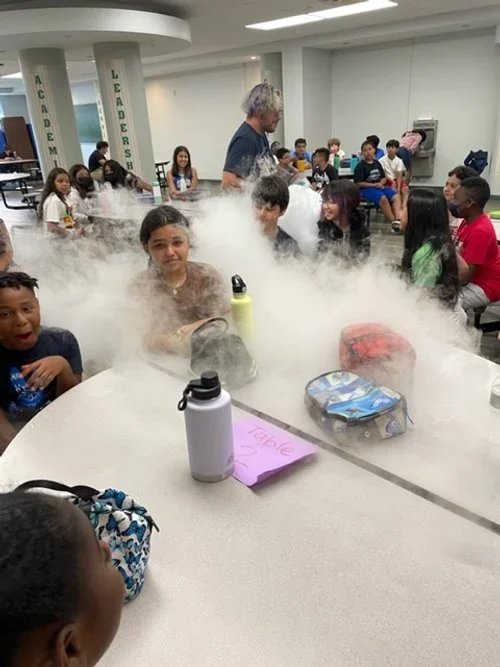
Mad Science is an international STEM enrichment organization known for turning science into an active, hands-on experience. Through live demonstrations and student-led experiments, Carver participants don’t just observe science—they test it, question it, and experience it firsthand.

Sessions are intentionally designed to spark curiosity. Students mix chemicals, build structures, explore physical forces, and test theories in ways that feel playful and exciting, while still reinforcing core STEM concepts. The result is learning that feels accessible, inclusive, and fun—especially for students who may not initially see themselves as “science kids.”
A Natural Fit for Carver’s Afterschool and Summer Model

Mad Science programs align seamlessly with Carver’s after-school structure. Typically offered in one-hour sessions across multi-week cycles, these programs function as STEM “clubs,” with each week introducing a new theme or challenge. This format mirrors Carver’s commitment to variety, student choice, and sustained engagement.

Mad Science instructors arrive fully prepared, bringing curriculum, materials, and supplies—allowing Carver site teams to focus on student support and relationship-building. Their facilitators are skilled not only in science instruction, but also in classroom management and inquiry-based learning, making the programs accessible to students across a wide range of learning styles and grade levels.

Programs Students Remember

From chemistry experiments like bubbling reactions and “elephant toothpaste,” to engineering challenges and space science explorations, Mad Science programs consistently leave a lasting impression. Many sessions include small take-home items, extending the learning beyond the classroom and prompting students to share their discoveries with family members at home.

For Carver students, these experiences reinforce an important message: science is not abstract or intimidating—it’s something they can explore, understand, and enjoy.
Supporting Carver’s Broader Goals

At Carver, STEM enrichment is not an add-on; it is a core strategy for building confidence, critical thinking, and problem-solving skills that students carry into the school day and beyond. Mad Science supports this vision by creating welcoming, high-energy environments where students are encouraged to ask questions, make mistakes, and try again.

Importantly, Mad Science programming also supports working families by providing structured, high-quality enrichment during the critical after-school hours—another key pillar of Carver’s mission.

A Valued Programming Partner

Mad Science exemplifies the kind of partnership Carver values: reliable, engaging, educational, and responsive to the needs of the students and communities we serve. Their programs help turn after-school and summer hours into moments of discovery—where learning feels joyful and curiosity leads the way.

As we continue to profile Carver programming partners, Mad Science stands out as a powerful example of how strong collaborations can inspire students, support families, and make learning come alive.
From Long Island Sound to the Classroom: How Carver and The Maritime Aquarium Bring Marine STEM to Life

For many Carver students, science doesn’t begin with a textbook — it begins with curiosity.

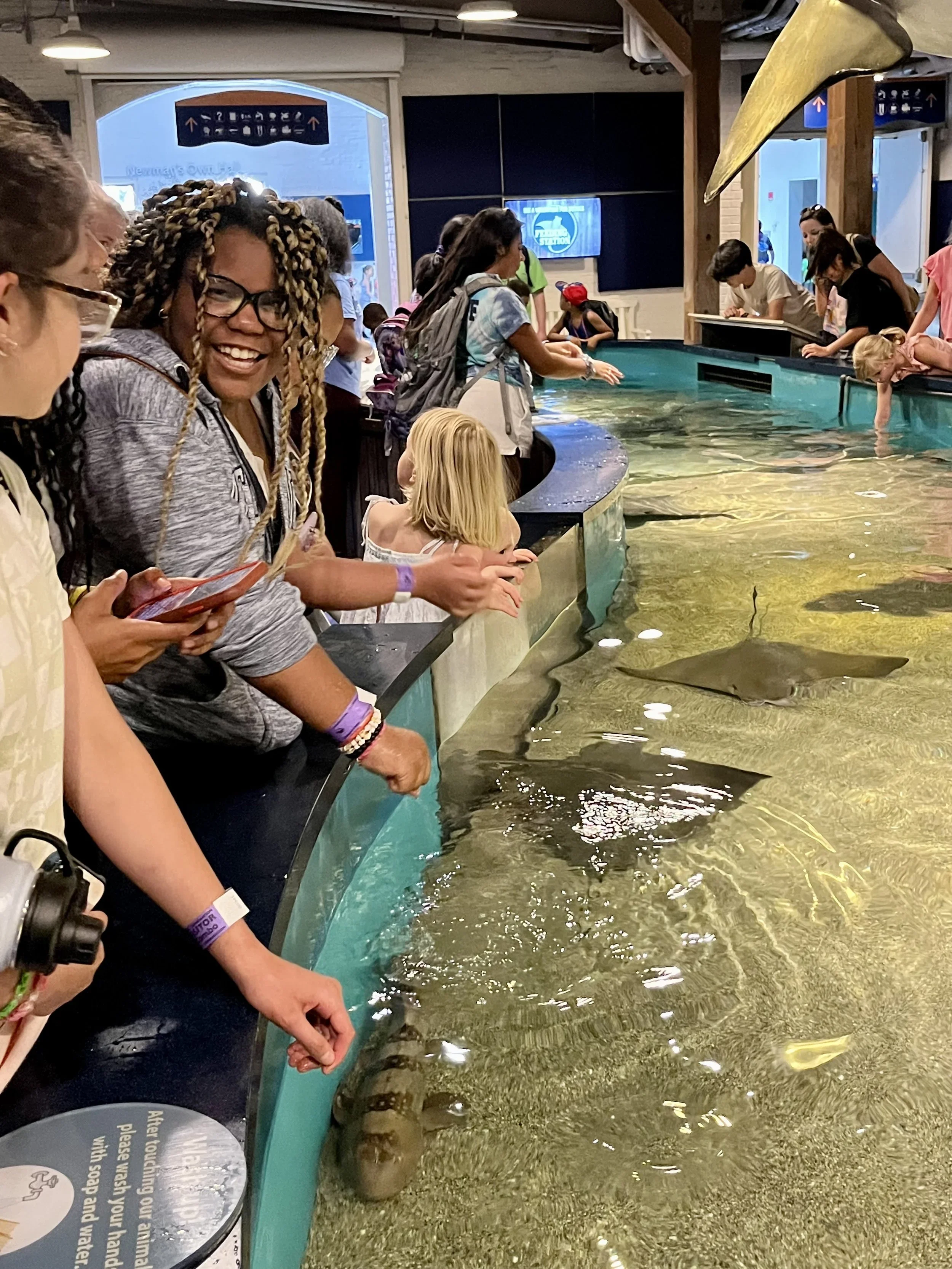
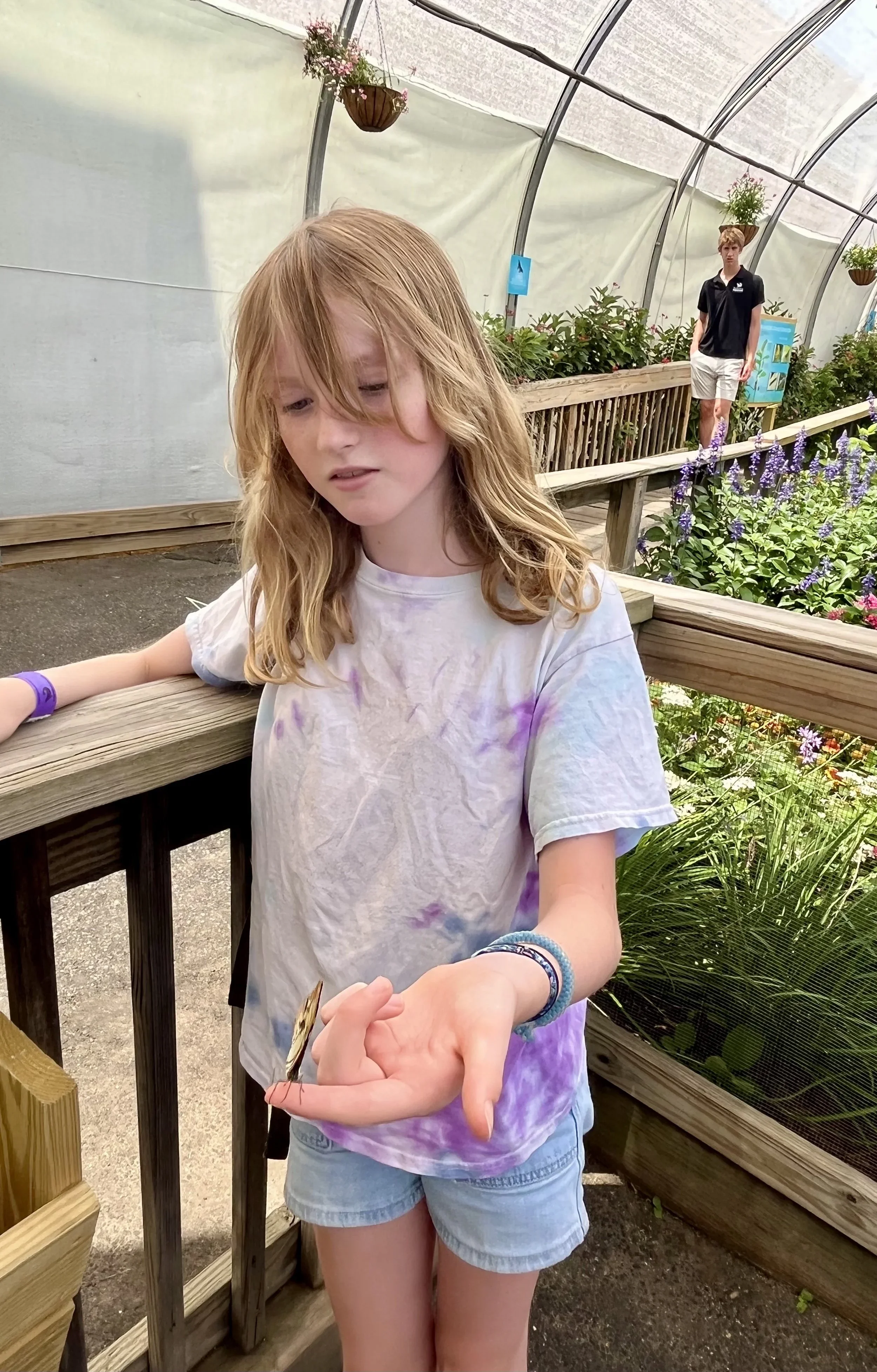
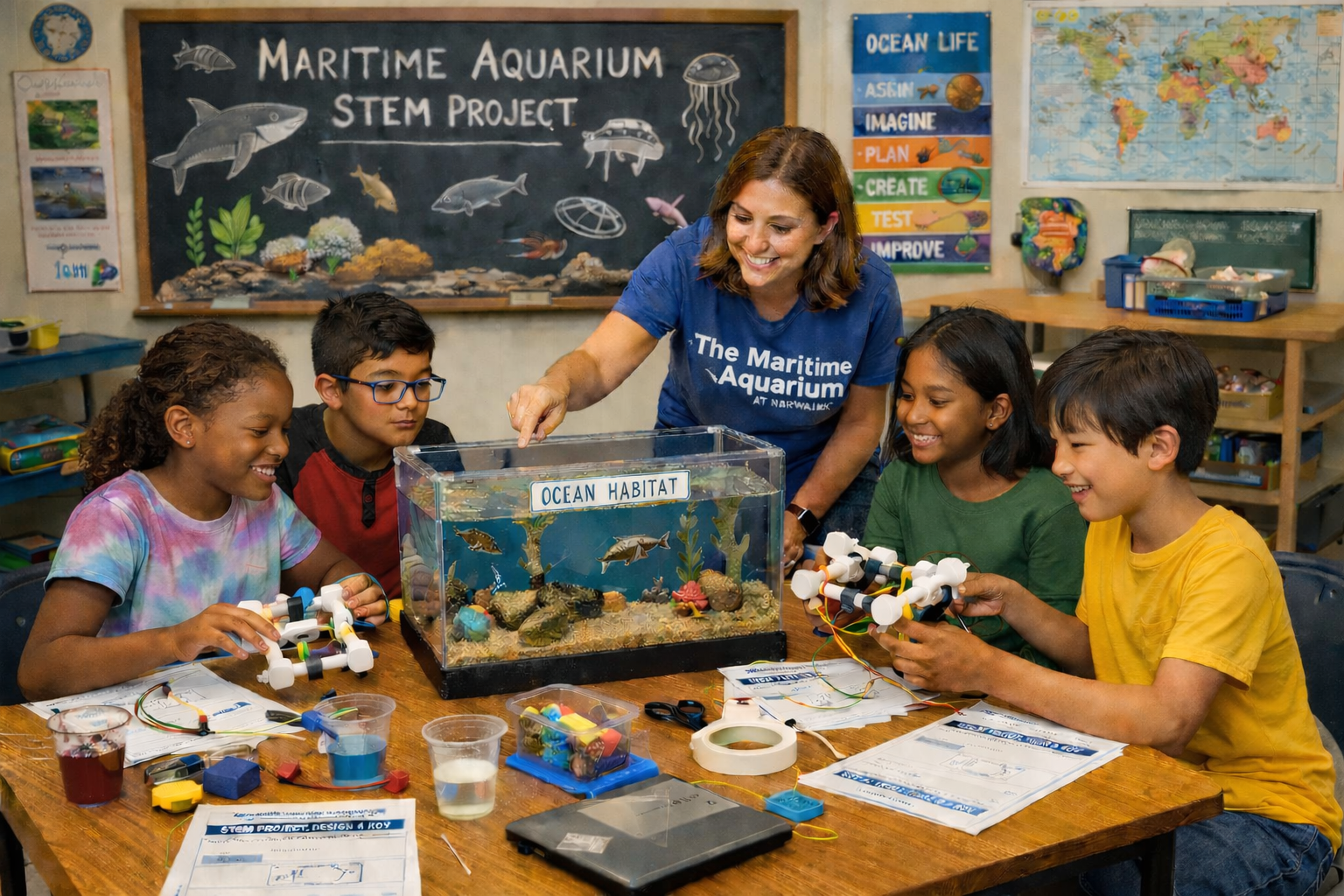
For many years, in addition to Carver students visiting the Maritime Aquarium in the summer (as seen in the accompanying images here), Carver has partnered with the Maritime Aquarium at Norwalk to bring high-quality, hands-on marine science and STEM learning directly into our middle school after-school and summer programs.

Through this longstanding collaboration, Aquarium educators travel to Carver school sites to deliver engaging, standards-aligned STEM experiences that connect students to the natural world just beyond their community.

Science That Comes to Them

Carver engages The Maritime Aquarium through our program budgets, allowing Aquarium educators to come directly into schools and meet students where they are. This model removes barriers to access while ensuring that students receive consistent, expert-led instruction rooted in real science, real ecosystems, and real-world problem-solving.

Rather than one-off assemblies, these sessions are embedded in Carver’s after-school and summer enrichment schedules, reinforcing classroom learning while giving students the freedom to explore, ask questions, and experiment.

Marine STEM for Middle School Learners

In Carver’s middle school programs, Aquarium educators lead Marine STEM experiences for grades 5–8 that are both age-appropriate and intellectually rigorous. Students might:

  • Examine the microscopic structures of plankton and learn why they matter to global ecosystems

  • Explore engineering concepts by understanding how structures — from marine organisms to roller coasters — are designed to function

  • Conduct hands-on experiments that show how science, technology, engineering, and math intersect in everyday life

Each session is interactive, inquiry-based, and designed to help students see STEM not as abstract subjects, but as tools for understanding and improving the world around them.

Learning That Feels Alive

What makes this partnership especially powerful is how alive learning becomes. Aquarium educators bring biofacts, live animals, and real scientific tools into the classroom, transforming school spaces into temporary laboratories of discovery. Students aren’t just learning about marine life — they’re touching, observing, questioning, and thinking like scientists.

For many Carver students, these experiences spark a deeper interest in environmental stewardship, engineering, and science-based careers—pathways that may once have felt distant or inaccessible.

A Shared Commitment to Equity and Excellence

Carver’s mission is to provide equitable access to high-quality enrichment for students across Norwalk and beyond. Our partnership with The Maritime Aquarium reflects a shared belief that hands-on science education should not be a privilege, but a core part of every child’s learning experience.

Whether during the school year or the summer months, this collaboration continues to help Carver students build confidence, curiosity, and critical-thinking skills — one discovery at a time.

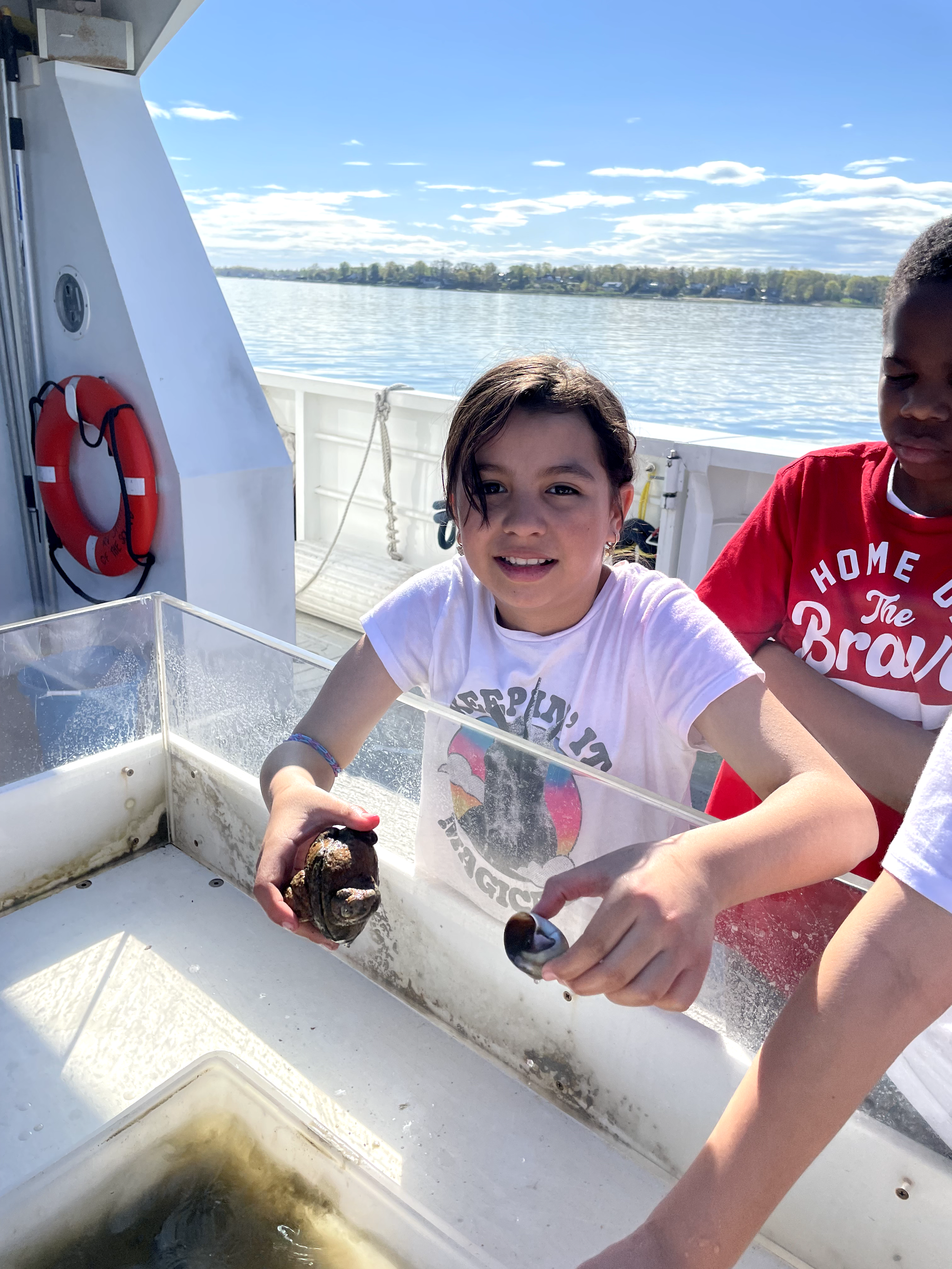
Carver students in our 5th Grade Scholars after-school program at Jefferson Elementary School spent two hours aboard the Maritime Aquarium’s revolutionary R/V Spirit of the Sound!

Fueling Creativity After School: Carver Partner The Norwalk Art Space Launches a New Student Meals & Study Club

At Carver, we know that great programs don’t happen in isolation—they happen through strong partnerships. That’s why we’re excited to begin a new series of blog posts spotlighting the remarkable organizations that help bring Carver’s before- and after-school and summer experiences to life, from hands-on science and marine exploration to arts, creativity, and wellness.

We’re pleased to start this series with one of Carver’s valued partners: The Norwalk Art Space, which is launching a brand new initiative designed to nourish both students’ minds and bodies.

Fueling Creativity: Student Afterschool Meals + Study Club

Hosted by The Art Space Café

Beginning January 29, 2026, The Norwalk Art Space Café will offer a complimentary after-school meal for students every Thursday during the spring semester. Prepared by the Café’s renowned culinary team, this welcoming gathering is more than a meal—it’s a space for connection, creativity, and learning.

Students will have the opportunity to enjoy thoughtfully prepared food while meeting fellow young artists and musicians, as well as learning directly from Chef Caitlin McGowan and Art Space Café Baker and Manager Kelly Clement, who will share insights into the culinary arts and creative careers.

After the meal, students are encouraged to remain in the café until 5:00 p.m. to work on homework, study, or finish an art project, making this a seamless extension of the after-school day.

Program Details at a Glance

  • When: Thursdays, 3:30–4:00 p.m.

  • Dates: January 29 – April 16, 2026
    (10 sessions; no program on February 19 or April 9)

  • Who: Students ages 10–18 registered for any Spring semester Art and/or Music class at The Norwalk Art Space

  • Capacity: 30 students per session

  • Cost: Free

  • Registration: Required for each meal through The Norwalk Art Space website to ensure minimal food waste

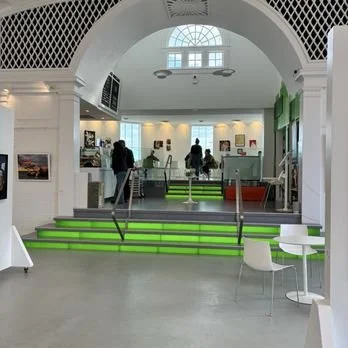
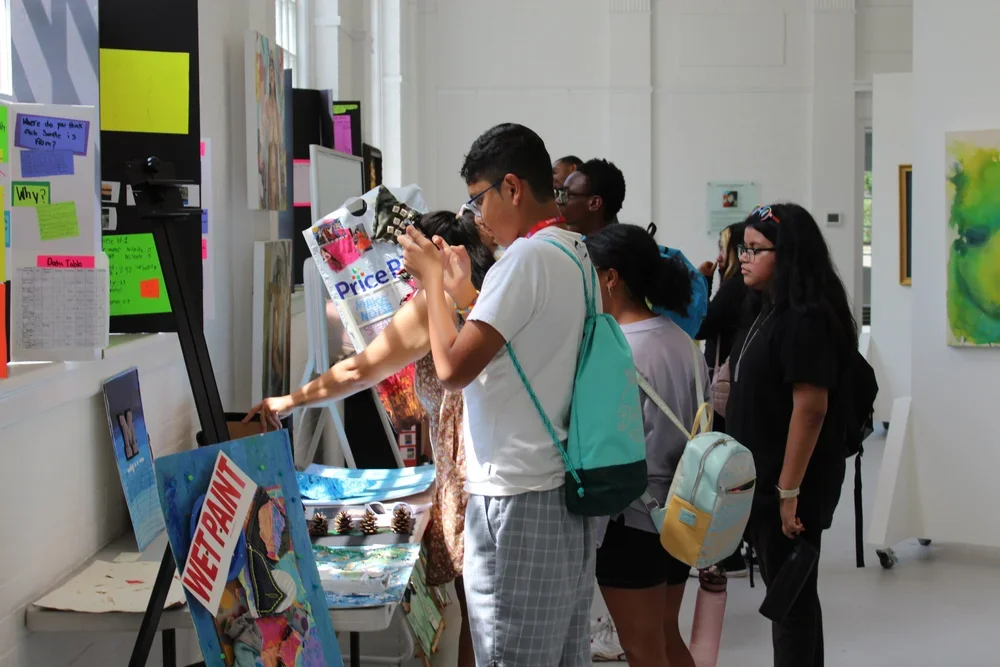
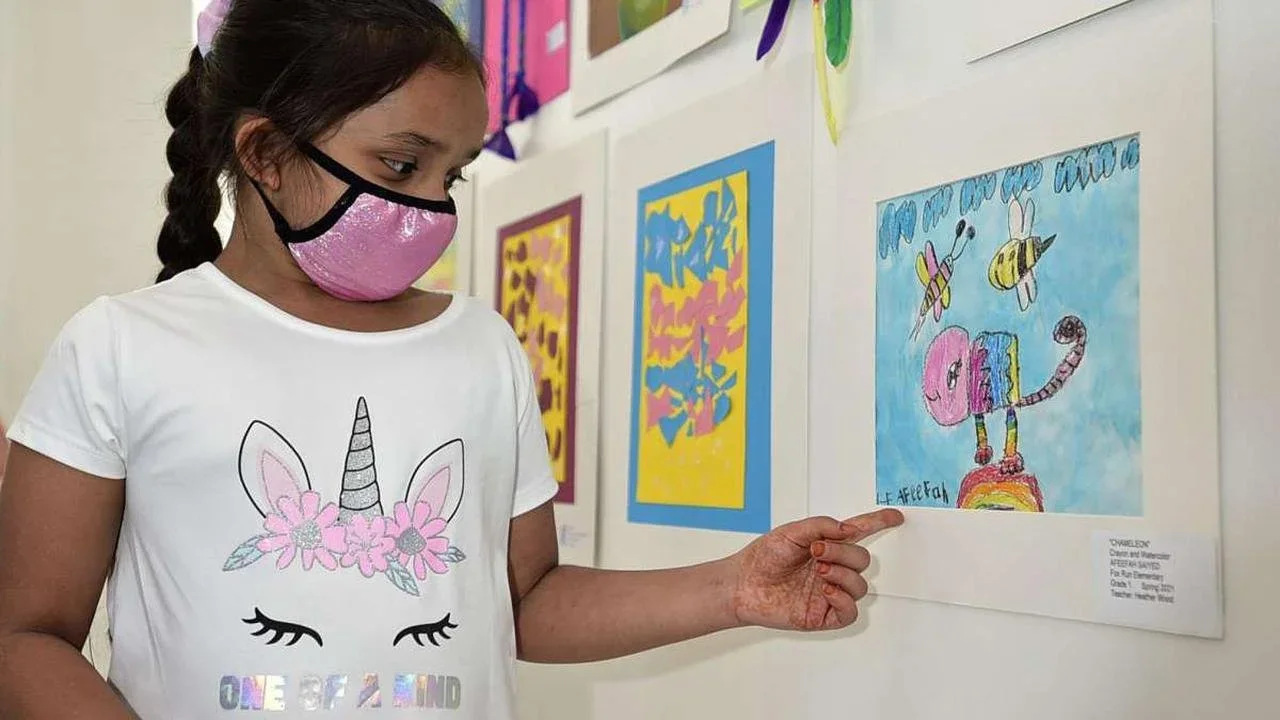
Carver students exhibit their work at The Norwalk Art Space

This initiative reflects what we value most in our partnerships: meeting students where they are, removing barriers to participation, and creating environments where learning, creativity, and well-being intersect.

We’re grateful to The Norwalk Art Space for their continued collaboration and commitment to Norwalk’s young people—and we look forward to highlighting more of Carver’s partners in the weeks ahead, including organizations like The Maritime Aquarium and Mad Science, who help make Carver’s after-school hours a time of discovery and growth.

Stay tuned for more stories celebrating the partners who make Carver’s programs possible—and the students who benefit every day.

A Place to Land: Mateo’s Story

Mateo was seven when he first walked into a Carver program.

He didn’t walk in confidently. He hovered. One hand clutched the strap of a backpack that was too big for him, the other holding a folded paper his mother had pressed into his palm—his name, her phone number, and a few careful instructions—already creased from being checked twice. The truth was, the paper wasn’t necessary; Carver already had all of that information, but the first days are hard on parents, too, and this was her way of letting go.

School had always felt loud to Mateo. Loud classrooms, loud hallways, loud expectations. He was bright—his teachers knew that—but he froze when asked to read aloud. He avoided eye contact. He rushed through math problems, not because he didn’t understand them, but because he was afraid of being wrong in front of everyone.

After school, Mateo usually went home to an empty apartment for an hour or two while his mother finished her shift. Homework happened—or didn’t—depending on how tired everyone was by dinner.

Carver changed that rhythm.

At Carver’s After the Bell program, Mateo found something small but mighty: consistency. The same welcoming faces. The same routine. A snack first. Homework with a teacher who noticed when he understood something before he believed it himself.

One afternoon, a staff member knelt beside him and said quietly, “You know this already. Take your time.”

No one had ever said that to him before.

By fourth grade, Mateo was still shy—but he was raising his hand. Not every time. Just enough.

In fifth grade, he joined Carver Scholars, and suddenly the world expanded. There were hands-on STEM projects where getting it wrong was part of the point. In group challenges, his quiet focus proved an asset. When his team built a bridge that actually held weight, Mateo smiled the whole way home.

Middle school brought new challenges—bigger buildings, more complex work, louder everything—but Carver stayed with him. Homework support turned into organizational skills. Enrichment turned into curiosity. Adults asked him what he liked and what he thought he might want to do someday.

By ninth grade, Mateo wasn’t just attending school—he was navigating it.

He joined a Carver summer transition program, learned how to advocate for himself, and learned that asking for help wasn’t a weakness. He discovered he liked technology. He was good at it, actually.

In high school, Mateo earned a paid internship through Carver’s Earn & Learn program. For the first time, he had a paycheck with his name on it. He learned to show up on time, to communicate professionally, and to imagine himself as someone with options.

When Mateo graduated, his mother cried—not just because he had a diploma, but because she could see the road ahead of him.

Today, Mateo is a college student studying information technology. He still gets nervous sometimes. He still prefers listening before speaking. But he knows how to persist. He knows how to ask questions. He knows he belongs in the room.

Carver didn’t change who Mateo was.

Carver gave him a place to land—again and again—until he learned how to stand on his own.

Honoring Our Namesake: George Washington Carver and the Spirit That Still Guides The Carver

On January 5th each year, our nation pauses to honor the life and legacy of George Washington Carver—a brilliant agricultural scientist, educator, and humanitarian whose work transformed American agriculture and whose character continues to inspire generations.

Carver was founded in 1938 by clergy and volunteer leaders in Norwalk who chose his name deliberately. They wanted an organization rooted not simply in charity, but in ingenuity. Not simply in service, but in possibility. George Washington Carver represented all of that—and more.

Born into slavery and rising to become one of the most respected scientists of his era, Carver revolutionized Southern agriculture through crop diversification. His research into peanuts, sweet potatoes, and other alternative crops helped stabilize a struggling farming economy and restore depleted soil. He developed more than 100 products derived from peanuts alone—proof that innovation can flourish even in the face of scarcity.

January 5th marks the anniversary of his passing in 1943. Two years later, a joint resolution of Congress established George Washington Carver Day, and President Truman signed it into law, ensuring that his legacy would be recognized nationally. It was a rare and powerful honor—especially at that moment in American history.

But what makes George Washington Carver so relevant today is not just his scientific genius. It is his philosophy.

He believed education was liberation.
He believed creativity was a pathway out of poverty.
He believed young people—especially those too often overlooked—possessed untapped brilliance.

That belief is woven into the DNA of The Carver.

Every time a student discovers a new talent in STEAM enrichment…
Every time a teen earns a certification that changes the trajectory of their life…
Every time a young person gains confidence because someone believed in them…

We are living out the legacy of our namesake.

George Washington Carver saw possibility where others saw limitation. Nearly a century later, so do we.

On this day—and every day—we honor not just the man, but the mission he inspired.

New Year, New Milestones: Let’s Build the Future Together

As we step into a new year, we pause with gratitude—and absolute momentum. New Year, New Milestones isn’t just a hopeful phrase; it’s a reflection of what our community accomplished together in 2025 and a promise of what’s ahead.

This past year was marked by growth with purpose. Thousands of young people showed up every day to learn, explore, and imagine what their futures could hold. Families trusted us with their children. Dedicated educators, staff, and partners brought energy, creativity, and care into classrooms, community spaces, and summer programs. Supporters and funders stood with us, believing in our mission and actively investing in it.

Together, we strengthened programs that help students thrive academically, socially, and emotionally. We expanded opportunities that connect learning to real-world experiences, from STEAM enrichment and literacy to college and career readiness. We continued to remove barriers to participation because access matters, and potential lives everywhere.

Looking ahead, 2026 calls us to go further. To deepen impact. To keep listening to the needs of young people and families. To innovate with intention and scale what works. The future we are building is one where every child is seen, supported, and equipped to succeed.

Thank you for being part of this journey. Your belief, partnership, and generosity make progress possible.

Here’s to a new year—and to building the future together.

Important School Calendar Dates Ahead: What Carver Families Need to Know for Early Dismissals, Breaks, and Spring Recess

As we head into the busiest stretch of the school year, we want to make sure Carver families have the key Norwalk Public Schools (NPS) calendar dates at their fingertips. Planning for early dismissals, school breaks, and holidays can help ensure smooth transitions for students and families alike.

Below is an updated overview of key dates for the remainder of the 2025 school year and into early 2026.

Winter Recess & Return to School

  • December 24 – January 2: Winter Recess (No School)

  • Students return to school on Monday, January 5, 2026

Just so you know, while there is no extended winter break beyond the holidays, there is a full spring recess later in the school year.

Key No-School Days & Early Dismissals

  • January 19: Martin Luther King Jr. Day (No School)

  • January 26: 2-hour Early Dismissal (Professional Development for Staff)

  • February 16 – 20: Presidents’ Day Recess (No School)

  • March 10 – 12: K–5 Conferences (2-hour Early Dismissal each day)

  • March 20: Eid al-Fitr (No School)

  • March 30: Professional Development for Staff (2-hour Early Dismissal)

  • April 3: Good Friday (No School)

  • April 6 – 10: Spring Recess (No School)

  • April 27: Professional Development for Staff (2-hour Early Dismissal)

  • May 11: Professional Development for Staff (2-hour Early Dismissal)

  • May 25: Memorial Day (No School)

End of the School Year

  • June 16: 2-hour Early Dismissal

  • June 17: Tentative Last Day of School (2-hour Early Dismissal)

    Please note: the final day of school may change depending on the number of snow days used this winter.

A Note for Carver Families

Carver plans its before-school, after-school, and enrichment programming to align closely with the Norwalk Public Schools calendar. On early dismissal days, Carver programs will adjust schedules accordingly, and families will receive site-specific communications if any changes affect their child’s program.

As always, if you have questions about how these dates impact your child’s Carver program, please don’t hesitate to reach out to your site coordinator or the Carver team.

Thank you for your partnership—and for helping us support students through a strong, well-planned school year ahead.

South Norwalk Elementary School to be Named for a Champion of Equity: Norwalk Honors Dr. Ruby May Foster Shaw

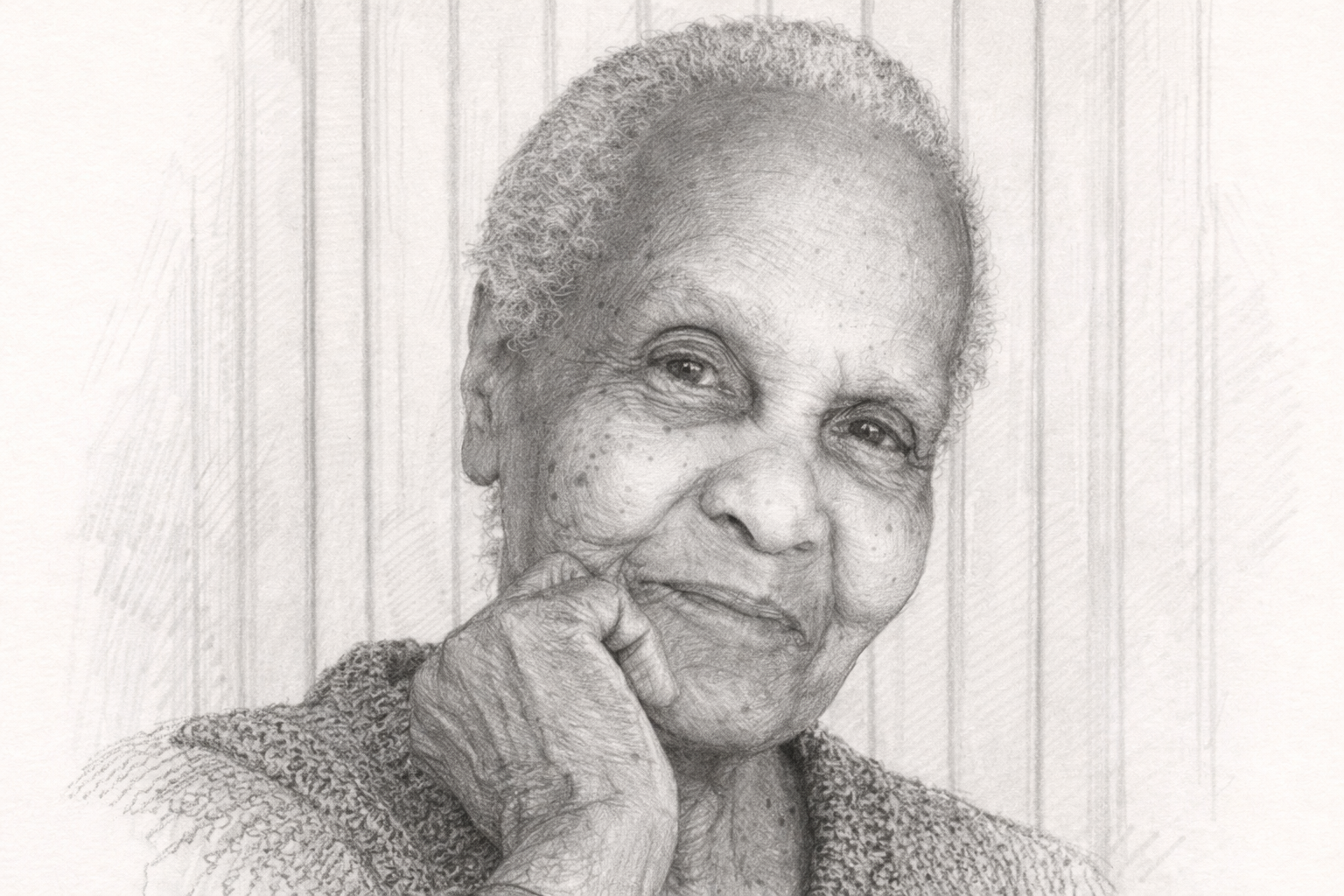
Norwalk officials have unanimously approved naming the newly opened South Norwalk Elementary School in honor of Dr. Ruby May Foster Shaw, a pioneering educator, administrator, and civic leader whose life’s work helped reshape public education in Norwalk with a steadfast focus on equity, opportunity, and belief in every child’s potential.

The decision ensures that future generations of students will walk through the doors of a school named after someone who dedicated decades to making those doors wider and more welcoming. It is especially meaningful for Carver, which is proud to operate its After the Bell before- and after-school program at the school, extending Dr. Shaw’s legacy of holistic support for children and families beyond the classroom day.

A life shaped by learning and service

Born on May 30, 1925, in Queens, New York, Ruby May Foster was raised in an Afro-Caribbean–Latin household by immigrant parents from Panama and Costa Rica. A gifted student, she was among the first Black students inducted into the Arista honor society at Jamaica High School. Her academic path took her to Queens College, where she earned a bachelor’s degree in anthropology and sociology in 1945, followed by a master’s degree in social work from Columbia University in 1947.

Committed to lifelong learning, she later completed a certificate in administration at Fairfield University and, while working full time, earned a doctorate in educational administration from the University of Bridgeport in 1985—becoming, proudly and definitively, Dr. Shaw.

Transforming Norwalk’s schools

Dr. Shaw joined Norwalk Public Schools in 1962 as a school social worker. In 1976, she was appointed assistant superintendent for human relations and alternative education, a role she held for a decade. During this period, she helped create Norwalk’s first magnet school. She was instrumental in transforming Columbus Elementary into Columbus Magnet School in 1980—an effort that addressed segregation concerns while expanding parent choice and educational quality.

After her district service, she continued to shape future educators as an adjunct professor at Norwalk Community College, where she taught early childhood education and emphasized meeting young learners where they are.

“Never write off any student”

Dr. Shaw’s philosophy was simple and profound: “Never write off any student. Everyone has a contribution to make.” That belief guided her leadership and the programs she designed or led after retirement, including ACE, CLASS, GAIN, and PACT, each focused on strengthening academic achievement and family engagement. She also played a central role in Norwalk’s I Have a Dream program, founded in 1999, which supported minority students’ aspirations to pursue education beyond high school.

A civic leader beyond the classroom

Dr. Shaw’s influence extended throughout Norwalk’s civic life. She served on boards including Norwalk Hospital, the Maritime Aquarium, the United Way of Norwalk & Wilton, the Human Services Council, Horizons at Greens Farms Academy, and several scholarship committees. In 1957, she and her family moved to Village Creek, a deliberately integrated Norwalk community that reflected her deep commitment to inclusion and shared civic responsibility.

Her contributions were recognized with numerous honors, including the Commission on the Status of Women’s “Celebrate Women!” recognition, a Connecticut Post “Woman of Substance” profile, and the Volunteer Spirit Award from the Voluntary Action Center of Mid-Fairfield.

A living legacy

Dr. Shaw passed away peacefully at home in Norwalk on May 31, 2019, at age 94. Her legacy lives on through her family—and through the countless students, educators, and community members shaped by her vision.

By naming the school Dr. Ruby Shaw Elementary School, Norwalk has made a powerful statement about the values it chooses to elevate: equity, inclusion, and belief in every child. For Carver and our After the Bell students and families, it is an honor to be part of a school community that carries forward the spirit and standards of an educator who truly believed that education can change lives—and cities—for the better.

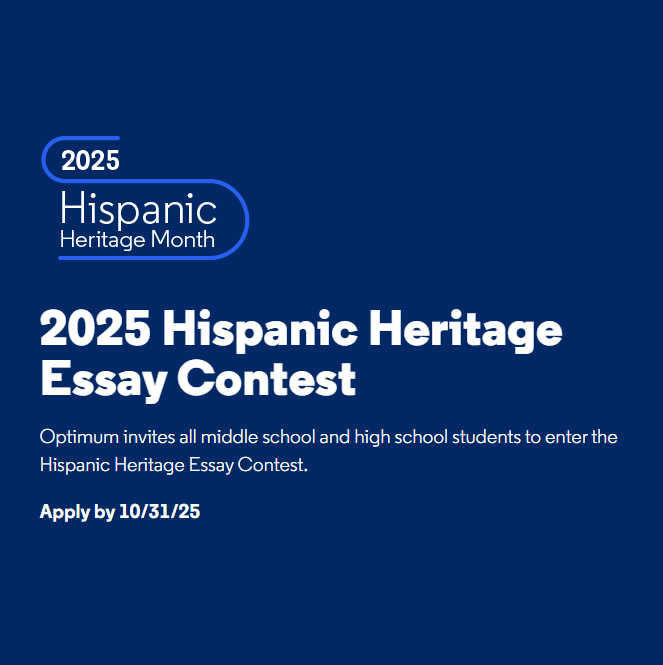
Carver Student Alinson Morales Wins Optimum Hispanic Heritage Essay Contest, Earning Regional Honors and a College Scholarship

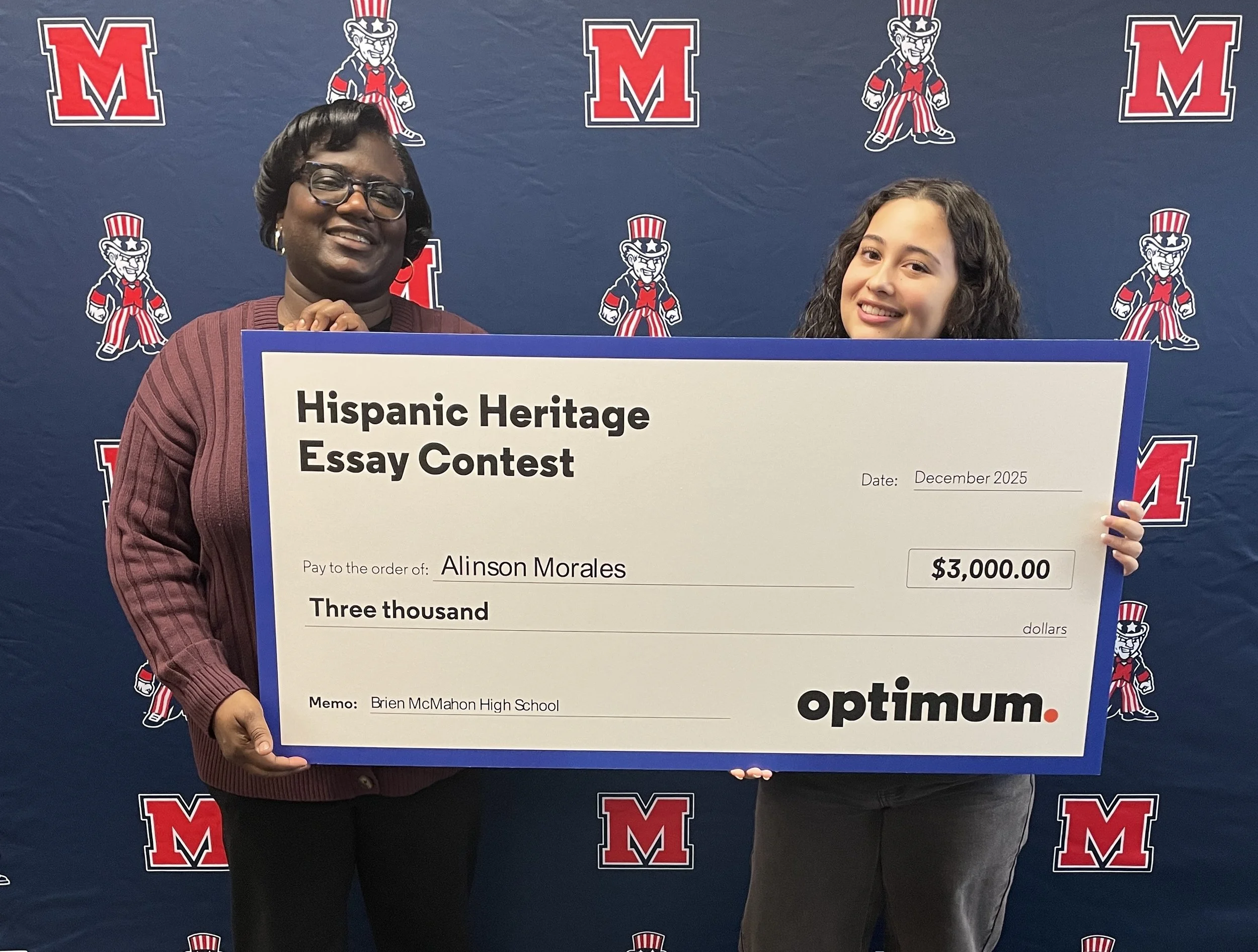
Rayshonda Mitchell, Carver’s Future Readiness Coordinator and Alinson Morales, a student at Brien McMahon High School

Carver is proud to celebrate the remarkable achievement of Alinson Morales, a student at Brien McMahon High School, who has been named the Optimum East High School Winner of the Optimum Hispanic Heritage Essay Contest. This competitive, multi-state program recognizes exceptional student writing, reflection, and cultural insight.

Open annually to students in grades 6–12 across Optimum’s service area, the Hispanic Heritage Essay Contest invites young people to write about how a person, cultural experience, celebration, or tradition connects them to Hispanic culture. Winners are selected for essays that demonstrate strong writing, authentic personal reflection, and a compelling connection to heritage and identity. This year’s submissions came from across the region, with runners-up representing states as far away as Texas, underscoring the significance of Alinson’s achievement. Now in its 18th year, the program received more than 1,500 entries.

Alinson’s essay stood out for its thoughtful exploration of the meaningful aspects of her background, family, and community—experiences that have shaped her values, sense of responsibility, and aspirations for the future. As the Optimum East High School winner, Alinson received a $3,000 Hispanic Heritage college scholarship, and her accomplishment is now prominently recognized on Optimum’s Hispanic Heritage Month website.

Here is an excerpt from the Brien McMahon High School website:

Alinson’s essay explored her Guatemalan roots through her family’s tradition of hair braiding. Throughout her life, her grandmother and mother braided her hair with practiced, loving hands. Yet Alinson herself never learned the art. For years, that gap made her feel distanced from her culture.

Over time, she realized that her identity and connection to her heritage aren’t defined by any single skill or tradition. While she may not braid like her mother and grandmother, her family relationships and the time spent enjoying this shared activity with them firmly tie her to her culture.

A student of Brien McMahon High School, within Optimum’s service footprint, Alinson plans to pursue a career in pediatric nursing—a path deeply aligned with the themes of service, care, and commitment to future generations that often define winning essays in this program. This regional recognition signals that she is already distinguishing herself academically and personally, strengthening her college and scholarship applications well beyond this single award.

Alinson is currently a paid Carver intern working in Carver’s After the Bell program.

Throughout her high school journey, Alinson has been supported and mentored by Rayshonda Mitchell, Carver’s Future Readiness Coordinator, who has worked closely with her to navigate academic goals, internship opportunities, and long-term planning. Their partnership reflects the power of consistent mentorship and encouragement—ensuring that talented students like Alinson not only find their voice, but are prepared to use it with confidence and purpose.

Alinson’s success is a powerful reminder of what happens when young people are supported, challenged, and given opportunities to reflect on who they are and who they hope to become. Carver congratulates Alinson Morales on this outstanding achievement and looks forward to all that lies ahead as she continues her journey toward a career rooted in compassion, service, and community impact.

When One Chapter Closes, Another Opens: SVFC Association Entrusts Its Legacy to Carver

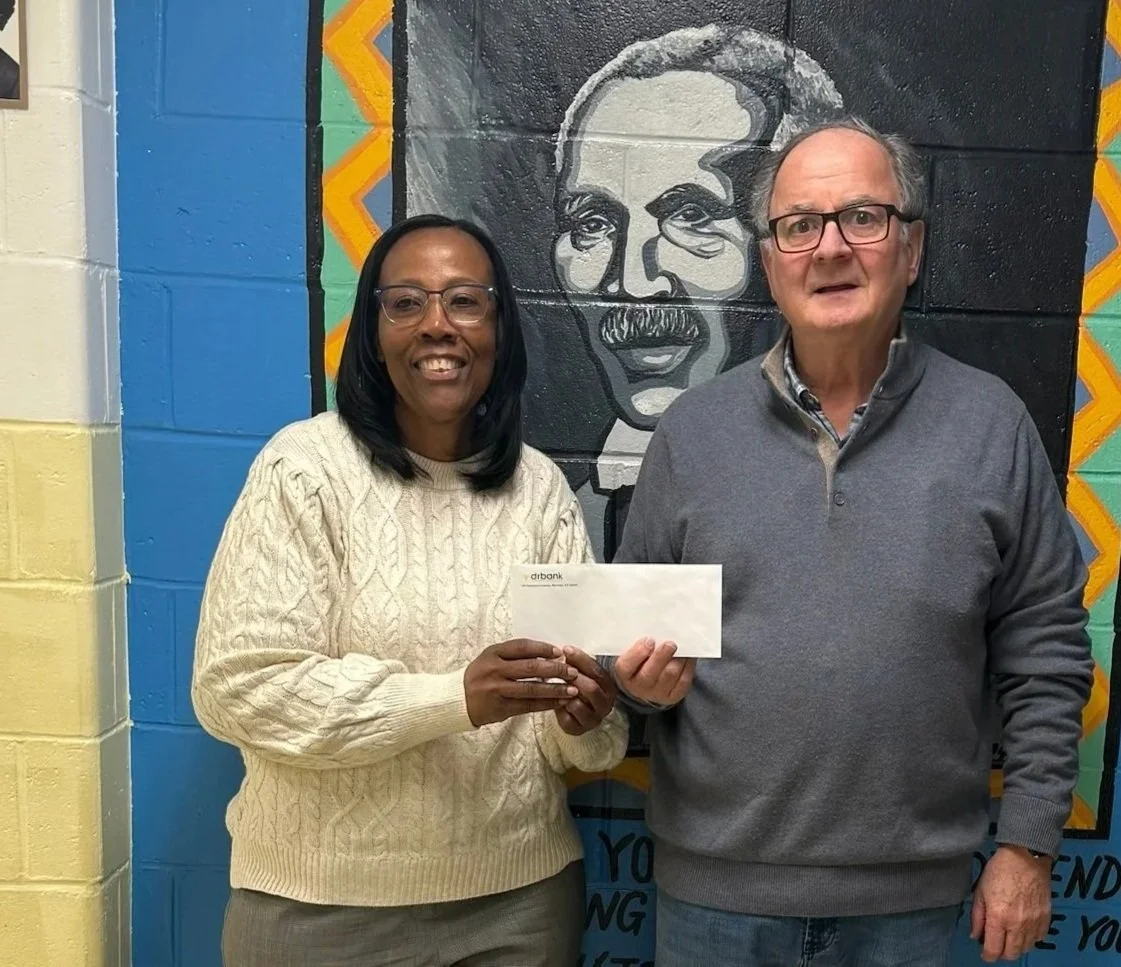
Carver CEO Novelette Peterkin by Yves Berliet, Treasurer of SVFC Association Corp

As communities grow and change, so do the organizations that serve them. Sometimes, an ending is not an ending at all—but a careful, hopeful handoff.

Carver was honored today to receive a $7,342.89 gift from the SVFC Association, a longtime youth soccer organization in Norwalk. The check was presented to Carver CEO Novelette Peterkin by Yves Berliet, Treasurer of SVFC Association Corp, in a moment that marked both the conclusion of one chapter and the continuation of a deeply shared mission.

For years, the SVFC Association has existed for a simple and powerful purpose: to promote and grow soccer for Norwalk’s children and teens. From its founding, SVFC has worked to provide young people with opportunities to participate in organized soccer, develop their skills and teamwork, and experience the joy, discipline, and connection that sports can bring. Families, volunteers, and community partners were all part of that effort, creating a positive and inclusive environment where youth could be active, learn sportsmanship, and feel a sense of belonging.

As the SVFC Association formally dissolved, its Board of Directors made a deliberate and values-driven decision. In accordance with Connecticut law governing charitable assets, the Association transferred its remaining funds to Carver, with the expressed wish that they be used to support soccer-related activities for Carver students—ensuring that the spirit and purpose of SVFC would live on through new opportunities for Norwalk youth.

This gift is an act of trust. It reflects a belief that Carver’s programs are aligned with SVFC’s original mission and that the love of the game, the lessons learned on the field, and the sense of community fostered through soccer will continue to shape young lives.

At Carver, we see this moment as a bridge between generations of service. One organization’s journey has reached its natural conclusion, and in doing so, it has helped open doors for the next generation of children—to run, play, learn, and grow.

We are deeply grateful to the SVFC Association, its Board, and its volunteers for their years of dedication to Norwalk’s youth, and for ensuring that their legacy continues in a new form. Because when something ends with intention and care, it creates space for new beginnings—and for Carver kids, that future is already taking shape on the field.