
At Carver, we prepare young people for college, careers, and leadership. And leadership begins with understanding how our democracy works.
Last month in Connecticut, two special elections were held. Of roughly 25,000 registered voters, fewer than 3,500 participated, for about 14% turnout. That statistic is a reminder that civic engagement doesn’t happen automatically. It must be taught, modeled, and encouraged.
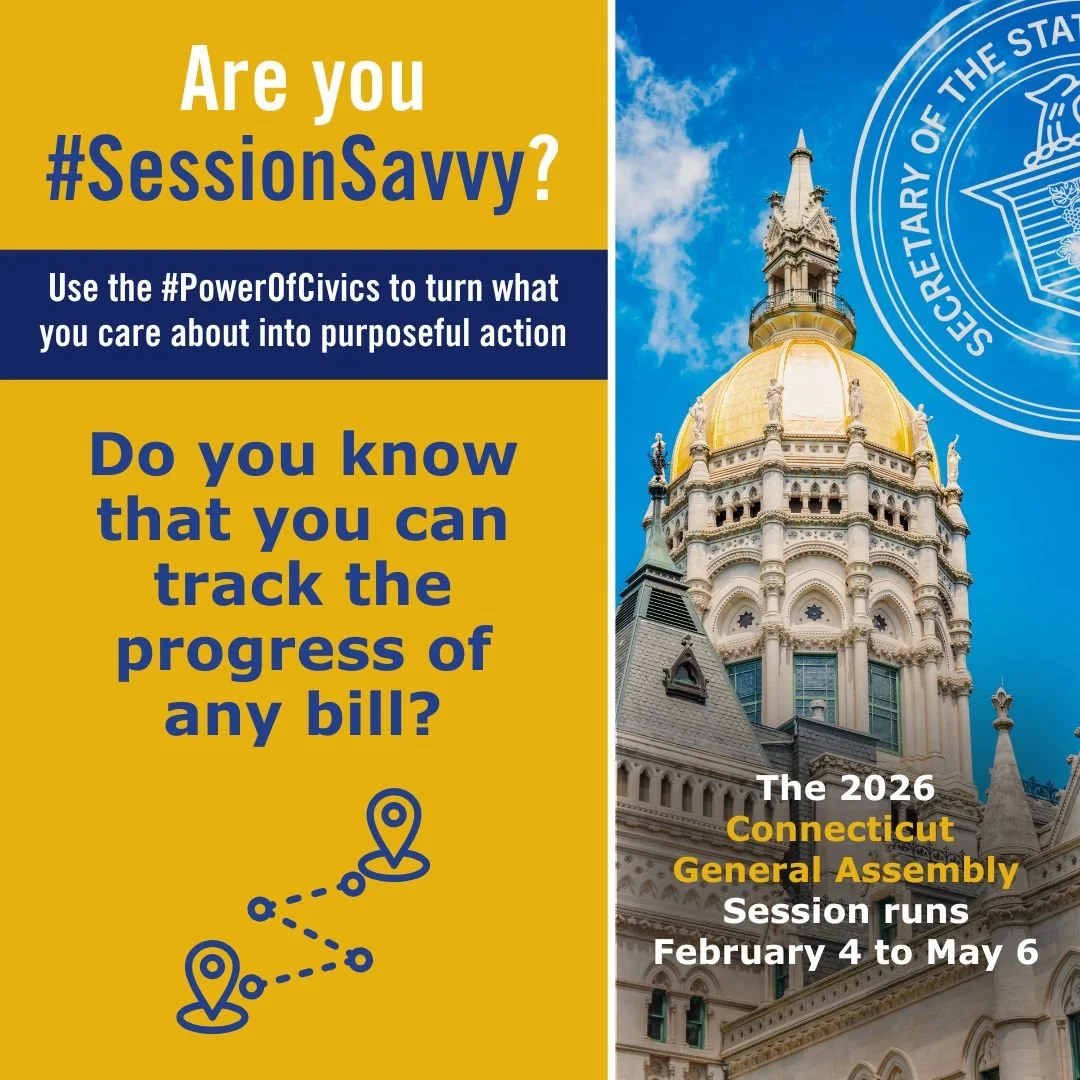
Our longtime friend and Carver volunteer, Connecticut Secretary of the State Stephanie Thomas, recently shared resources for Civically Engaged Organizations (CEOs — and yes, Carver is proudly one). The state legislative session is underway, and her office has expanded its public toolkit with graphics and sample posts to help residents stay informed and involved.
She is also hosting the Winter Conversation webinar on March 11 from 12:00–1:00 PM to discuss key civics legislation in the 2026 session and how residents can voice their opinions.
Why does this matter to Carver?
Because civic understanding starts young.
This year, more than 10,300 fifth graders from 160 schools across Connecticut voted in the 2026 Kid Governor election. That level of student participation is inspiring. Congratulations to Theresa “Tessa” Hallinan of Green Acres Elementary School in North Haven, who was sworn in on January 23 after running on a platform of “Everyone Belongs,” promoting inclusion for students with disabilities. We also applaud cabinet members Dylan, Alyvia, Ajla, Samuel, Nana, and Myra.
Carver supports a healthy, informed, civically engaged community. And we are proud to stand with leaders like Secretary Thomas who champion participation and inclusion across Connecticut.
Civic engagement is not partisan. It is foundational.