EnglishHaitian CreoleSpanish

Freshman Summer Success Academy at Norwalk High School

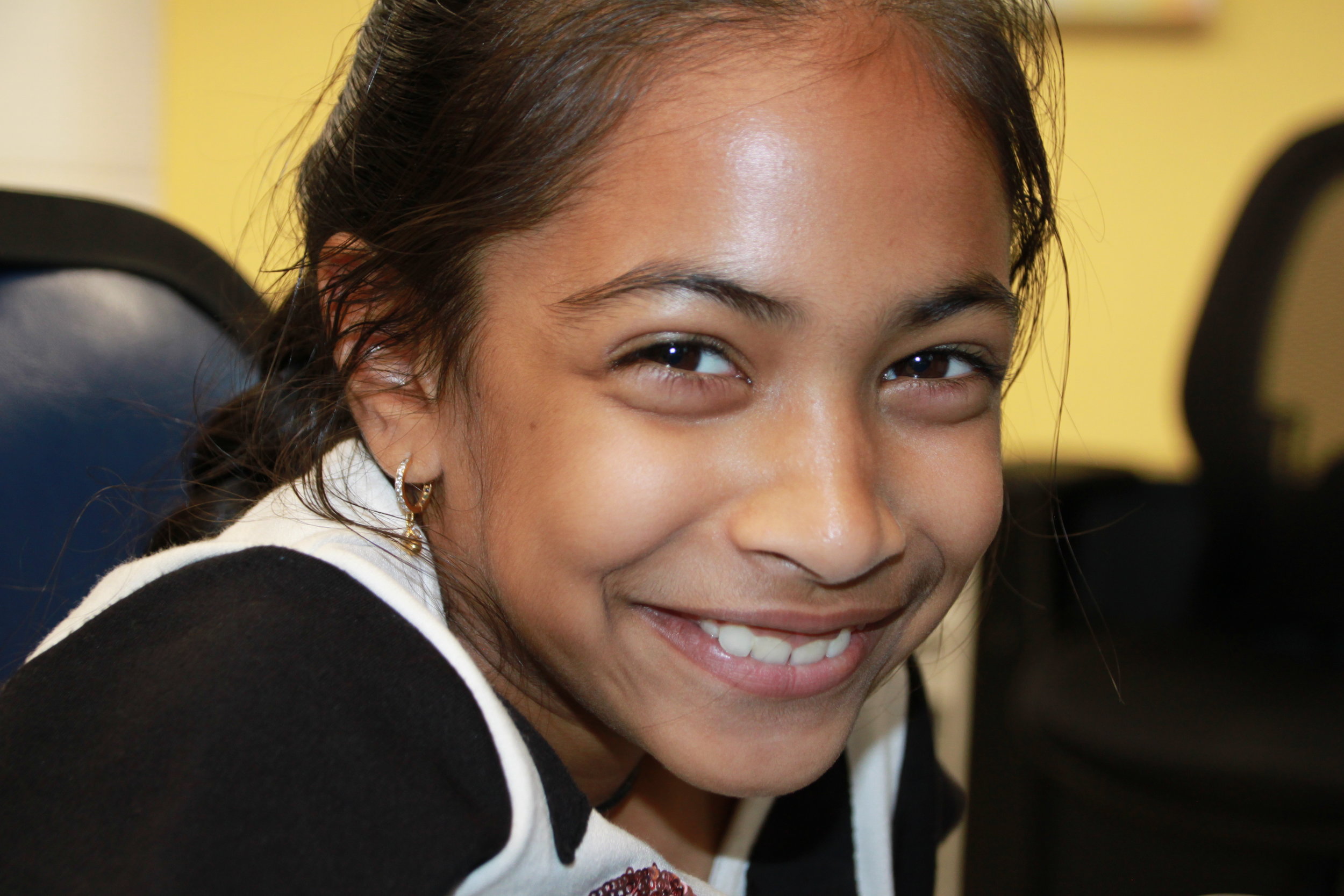
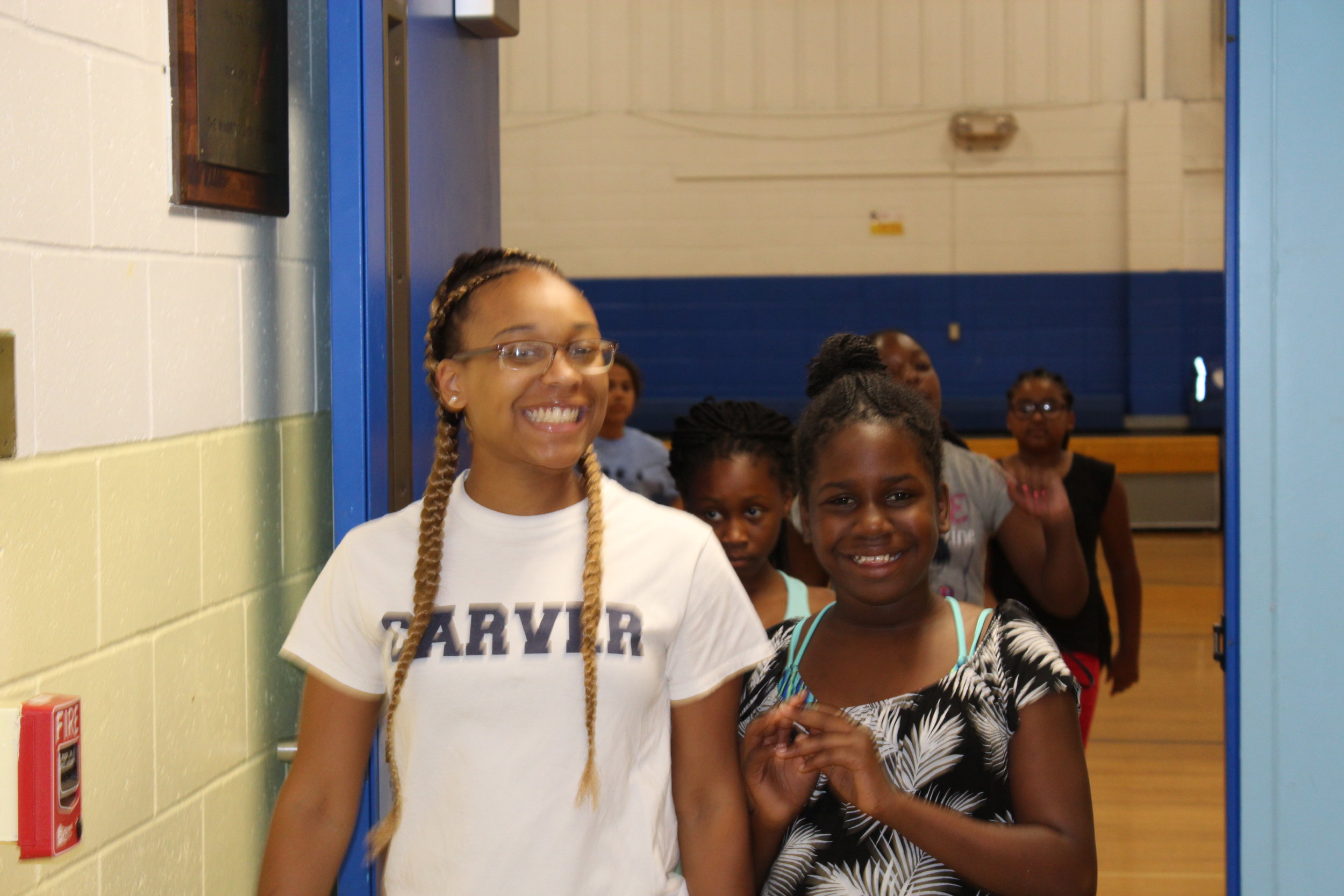
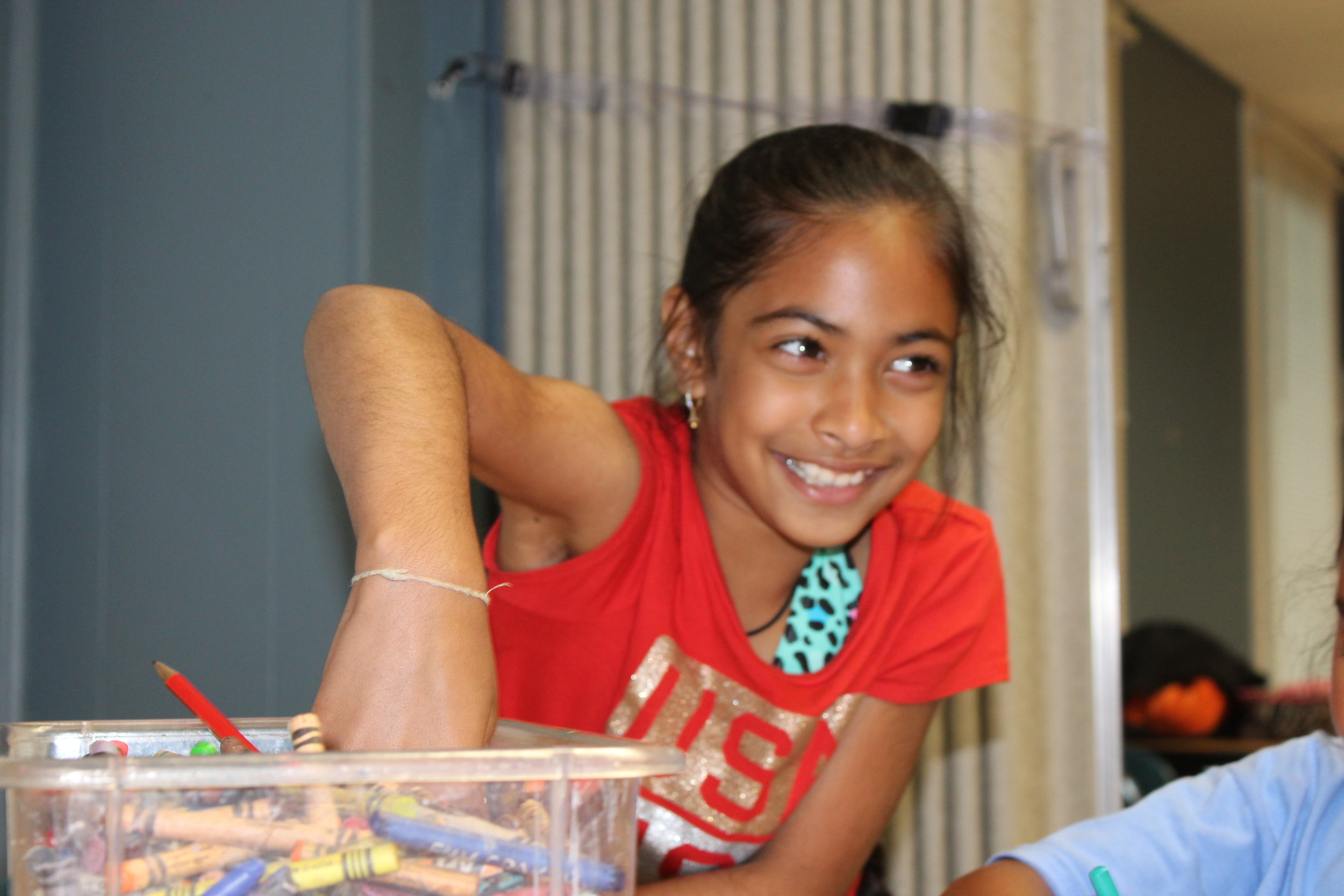
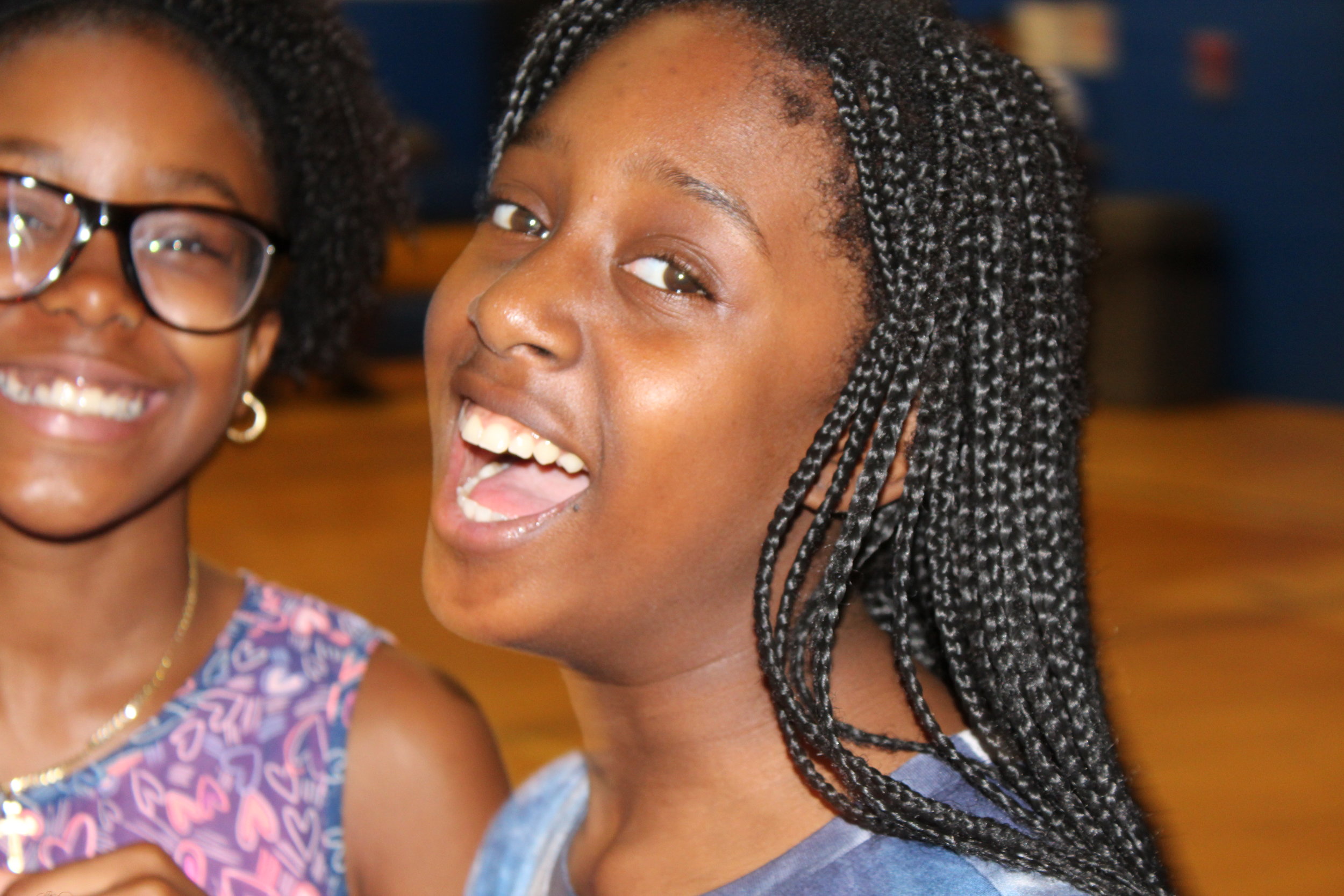
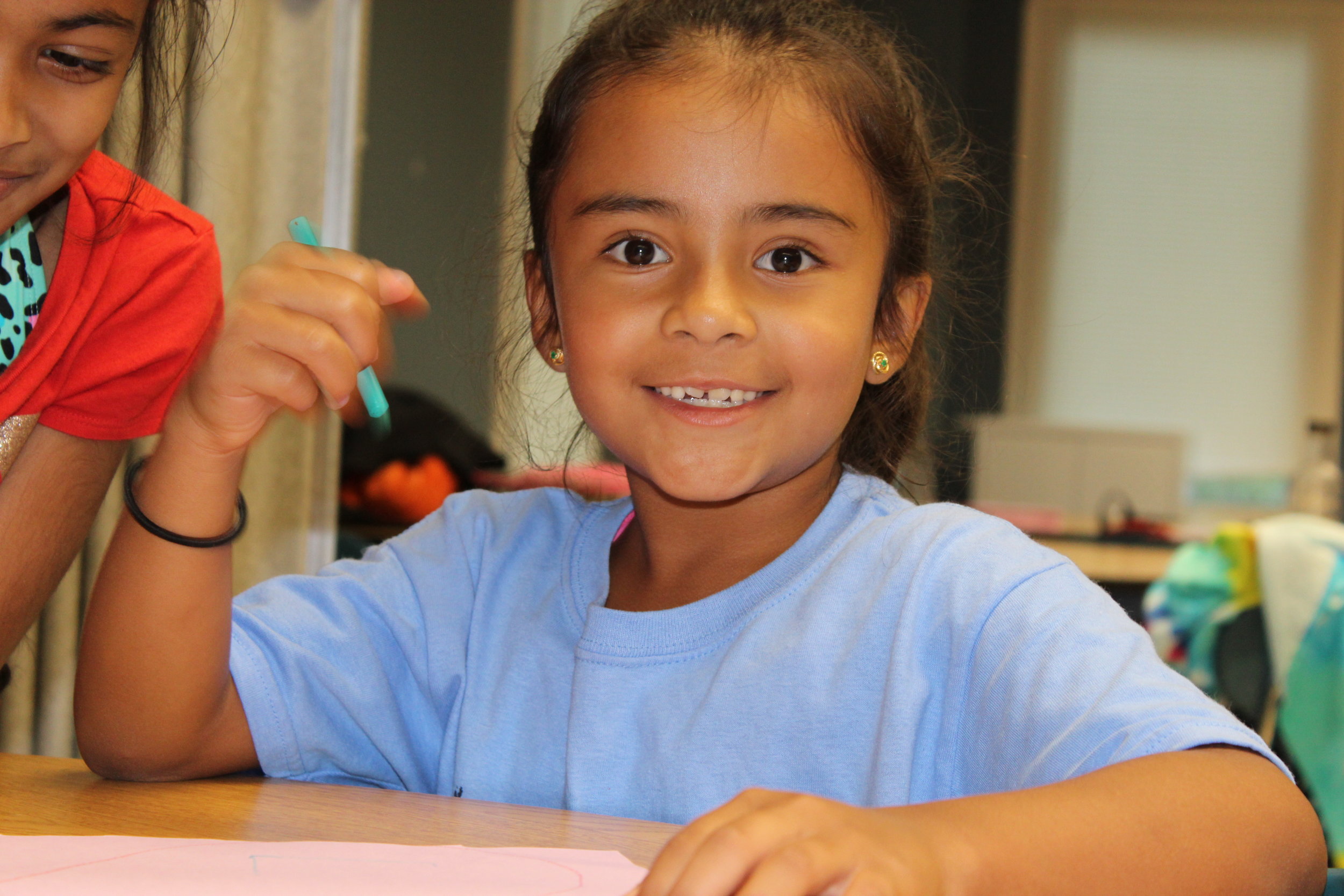
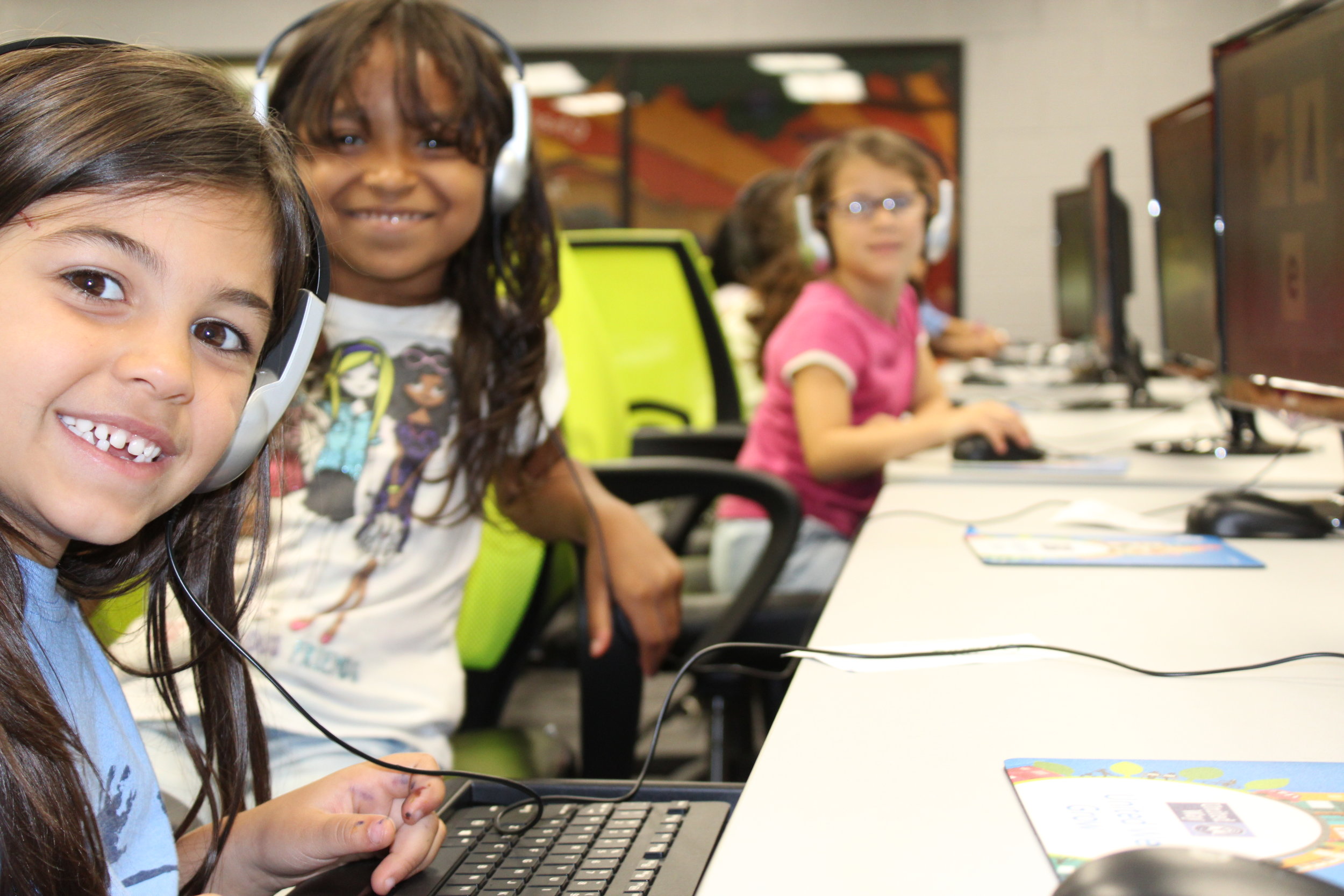
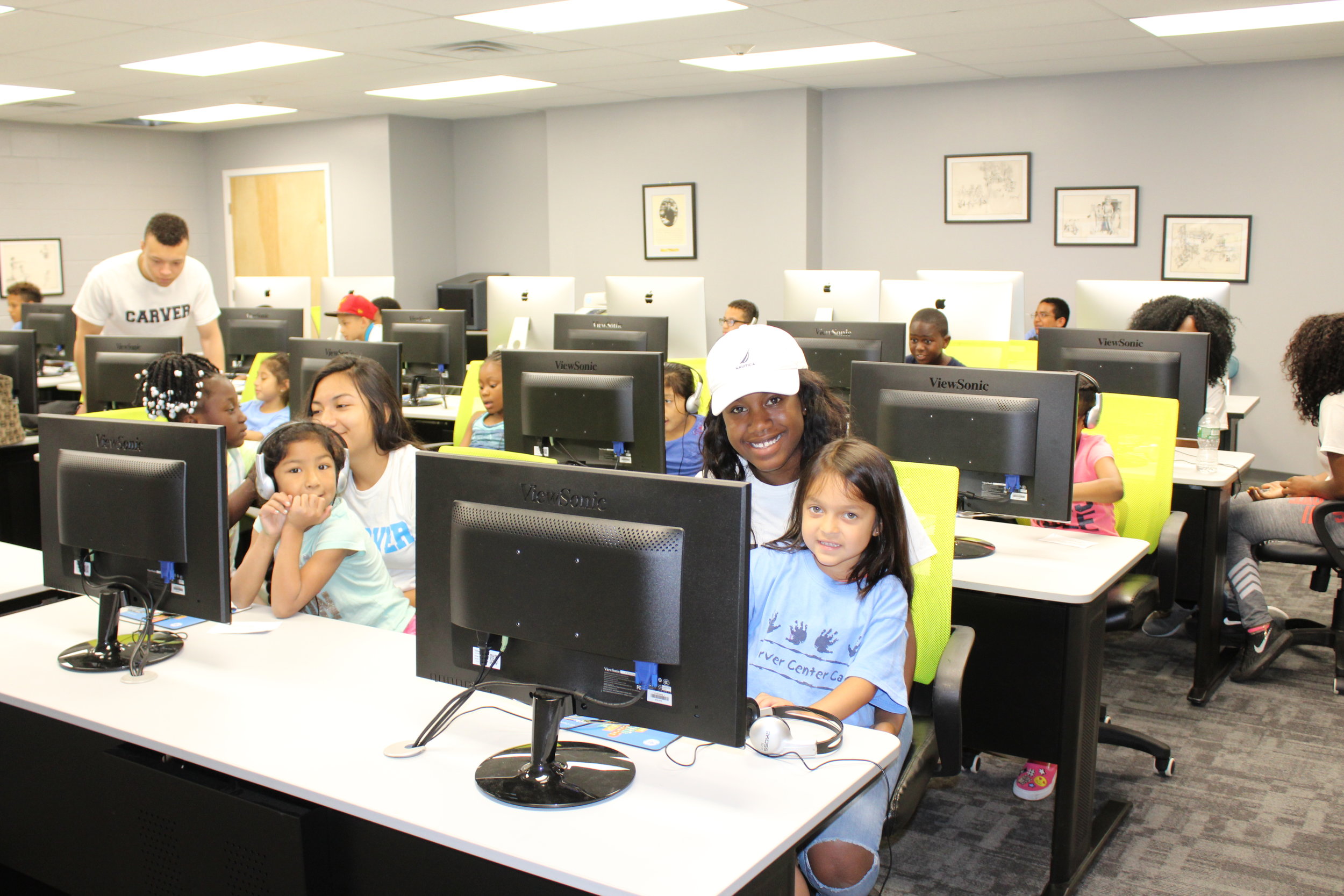
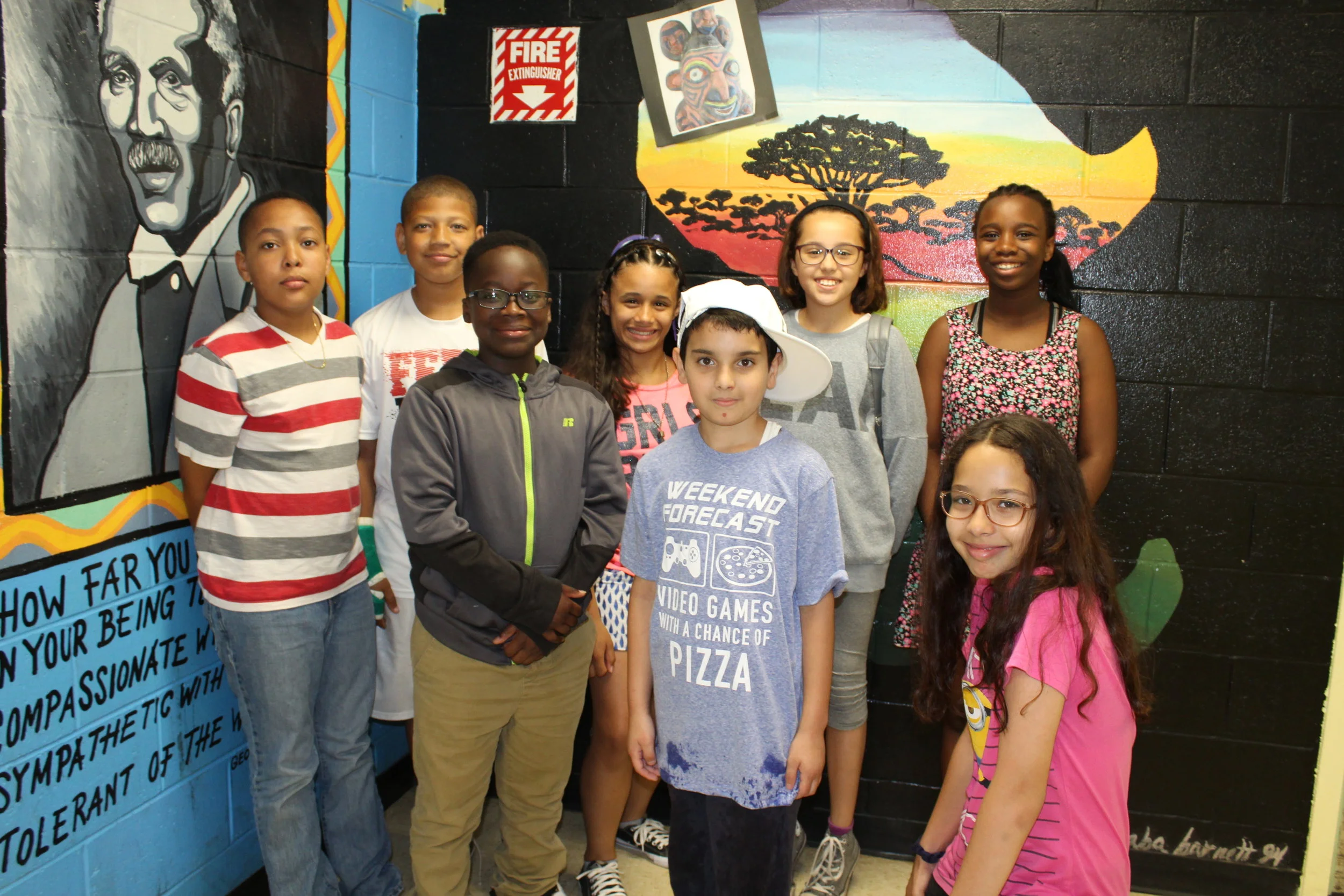
Each summer, Carver conducts the Freshman Summer Success Academy at Brien McMahon and Norwalk High Schools. Rising 9th graders participate in our 5-week summer program.  

Research suggests that the most difficult transition point in education is from middle to high school. Navigating a larger environment, excelling in rigorous courses, meeting graduation requirements, and juggling competing priorities can be quite challenging. The Freshman Success Summer Academy serves as a necessary bridge into high school. 

Students enrolling in the program participate in academic courses, participate in the school’s advisory program, and take field trips to enhance team building and the academic program. Breakfast and lunch are provided for free each day. 

Advisory is an integral part of the student’s high school program because it helps students make new friends and form a connection to their new high school. Its mission is to prepare students for life’s transitions, including career development and post-secondary opportunities, through meaningful connections. Students participate in a weekly advisory meeting throughout the summer program.

ENGLISH

Through reading of the text “The 7 Habits of Highly Effective Teens,” by Sean Covey, students discuss and reflect in journal format the ideas and concepts presented. Students practice in active reading strategies that will help them navigate and successfully manage the amount of required reading on the high school level.

SCIENCE

Students participate in hands-on activities to prepare for high school science courses. They practice lab specific math skills, science inquiry, graphing data, collaborative and independent work habits in lab settings, while completing engaging scientific investigations

HIGH SCHOOL 101

Students learn the basics of navigating high school, including reading a transcript, understanding graduation requirements, earning credits in courses, and looking ahead to potential career options. Students also use Naviance/Family Connection to develop an individualized Student Success Plan to identify needs and interests and set future goals.

THE SECRETS OF MY SUCCESS

Students use this course to plan for their Student-Led-Conference (SLC) The format of SLC puts the student at center of the conversation in assessing their success. Students present work samples and identify areas of strengths and those in need of improvement. Parents are invited to participate. Formal invitations will be sent home.

MATH

This course helps students bridge the gap between Pre-Algebra and Algebra 1. Math concepts that are highlighted include computations, problem solving, solving equations, and graphing. Students practice the mathematical skills necessary for success in high school.

S.W.A.G. Skills (Study Everyday, Work Hard, Achieve your Goals, Graduate with Honors)

Featuring the essential learning strategies for becoming a better student, this course helps students learn how to prepare for class, use organizational and time management strategies, and identify effective study skills. 

HISTORY

This course focuses on getting students ready for 9th grade world history. Using academic sources, discussion, and group work, students investigate historical events. Students practice research and presentation skills in preparation for 9th grade research projects.

Several years of successfully running the Freshman Success Summer Academy show marked improvement for our Carver students once they enter into high school!


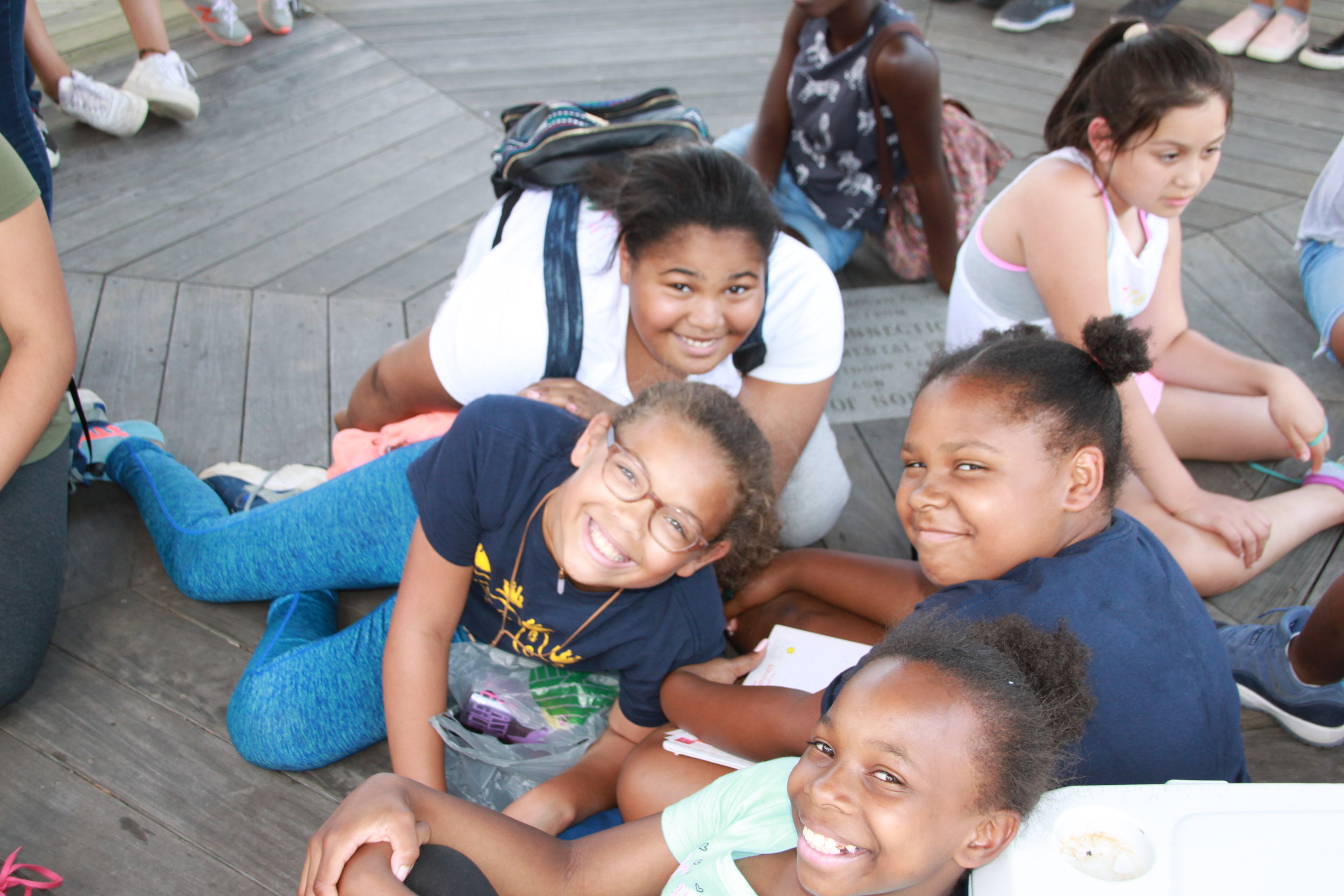
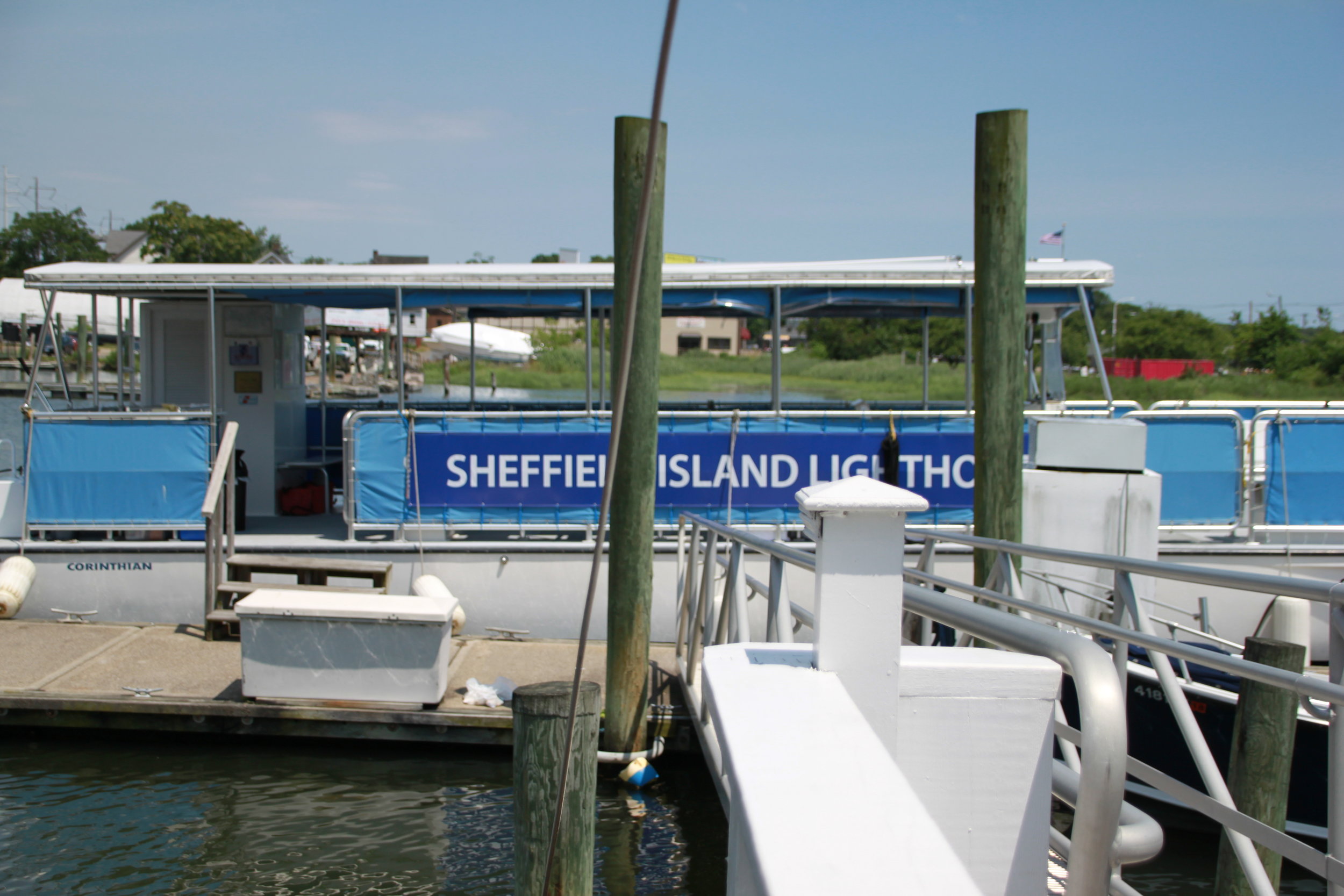
Carver Campers Visit Sheffield Island

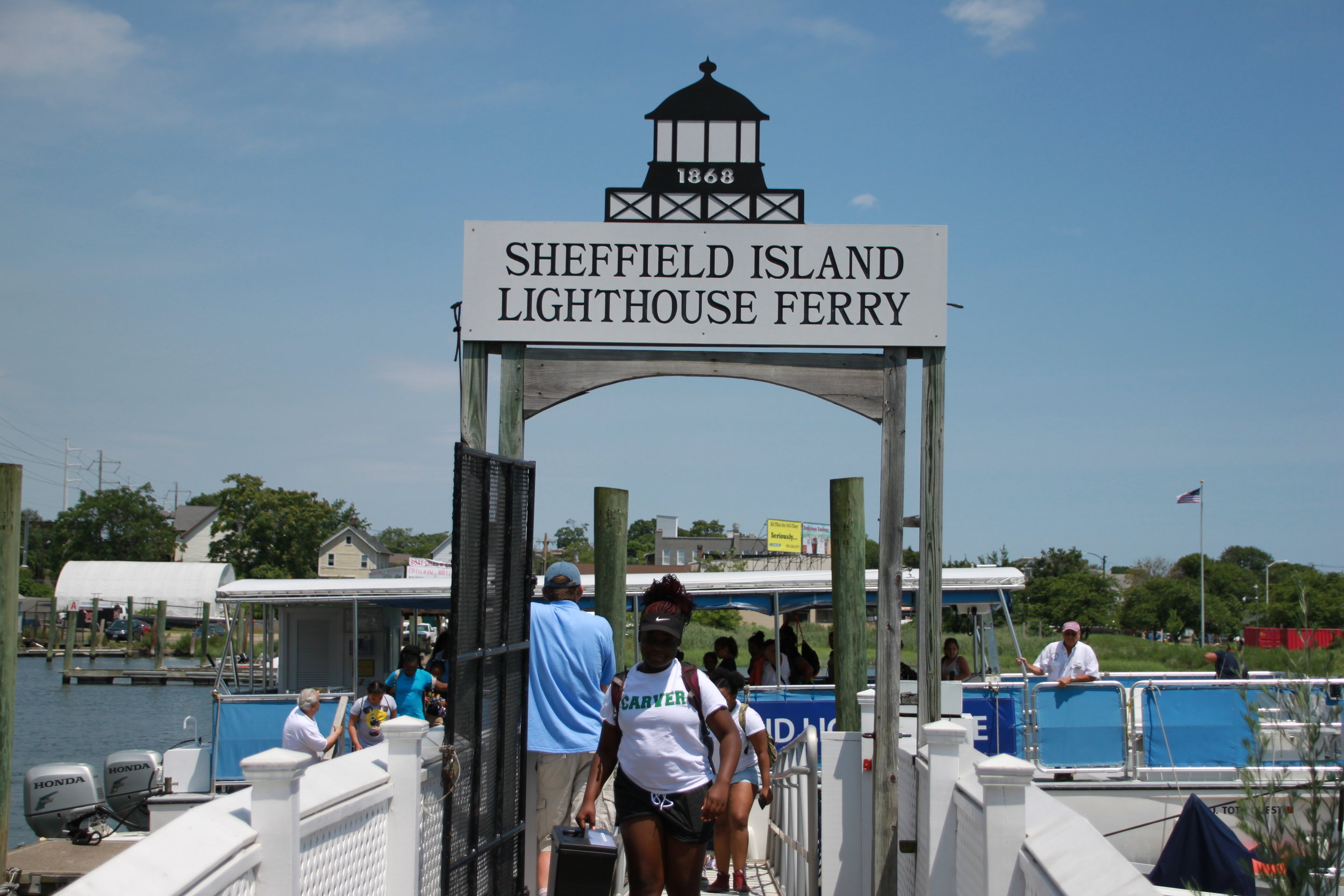
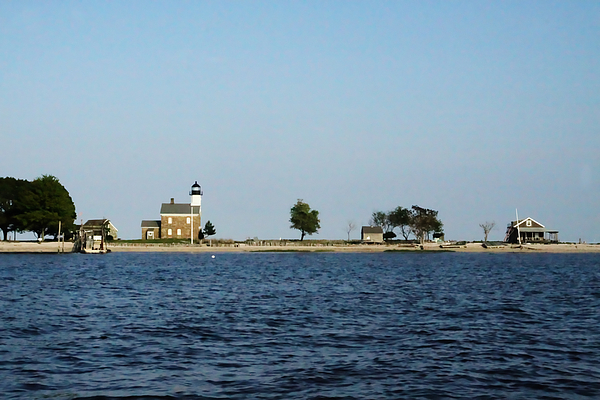
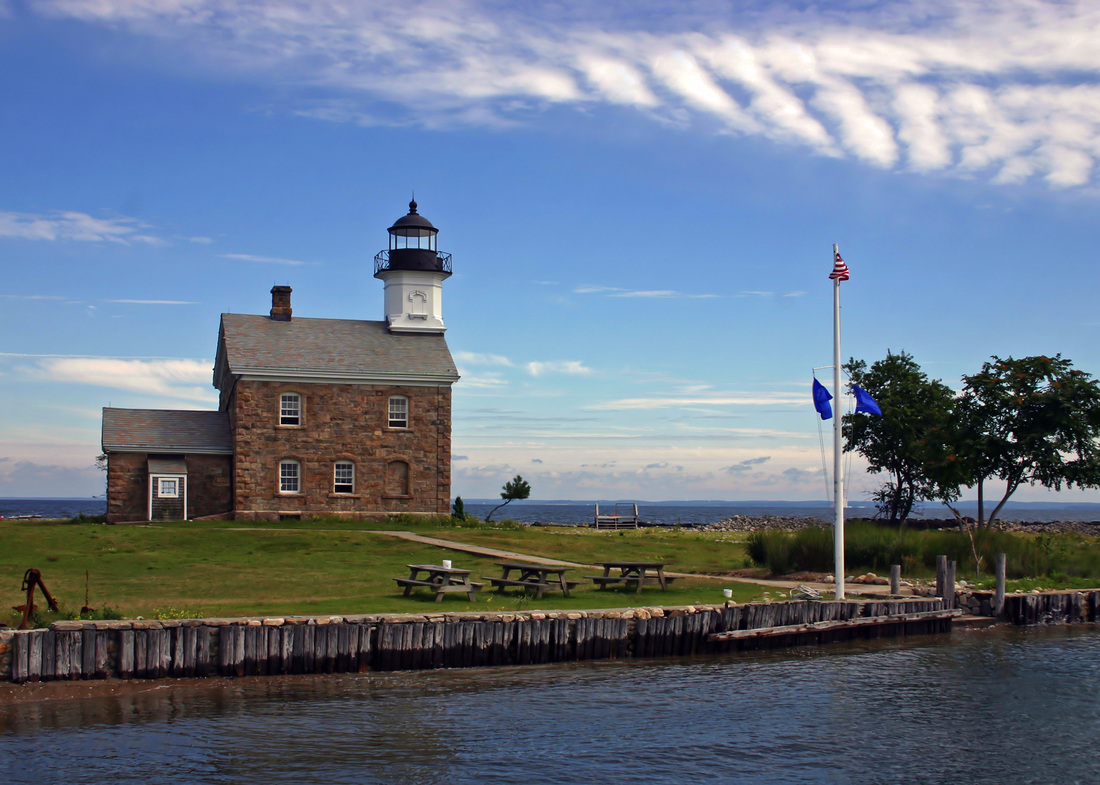
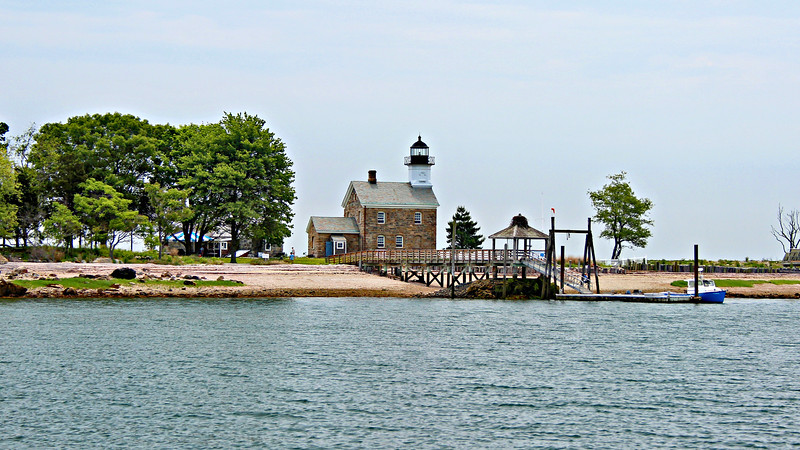
Activated in 1868, the Sheffield Island Lighthouse - now listed on the National Register of Historic Places - was in service for 34 years until its retirement in 1902. Today the Norwalk Seaport Association’s volunteers maintain the lighthouse and grounds as a museum and nature preserve.

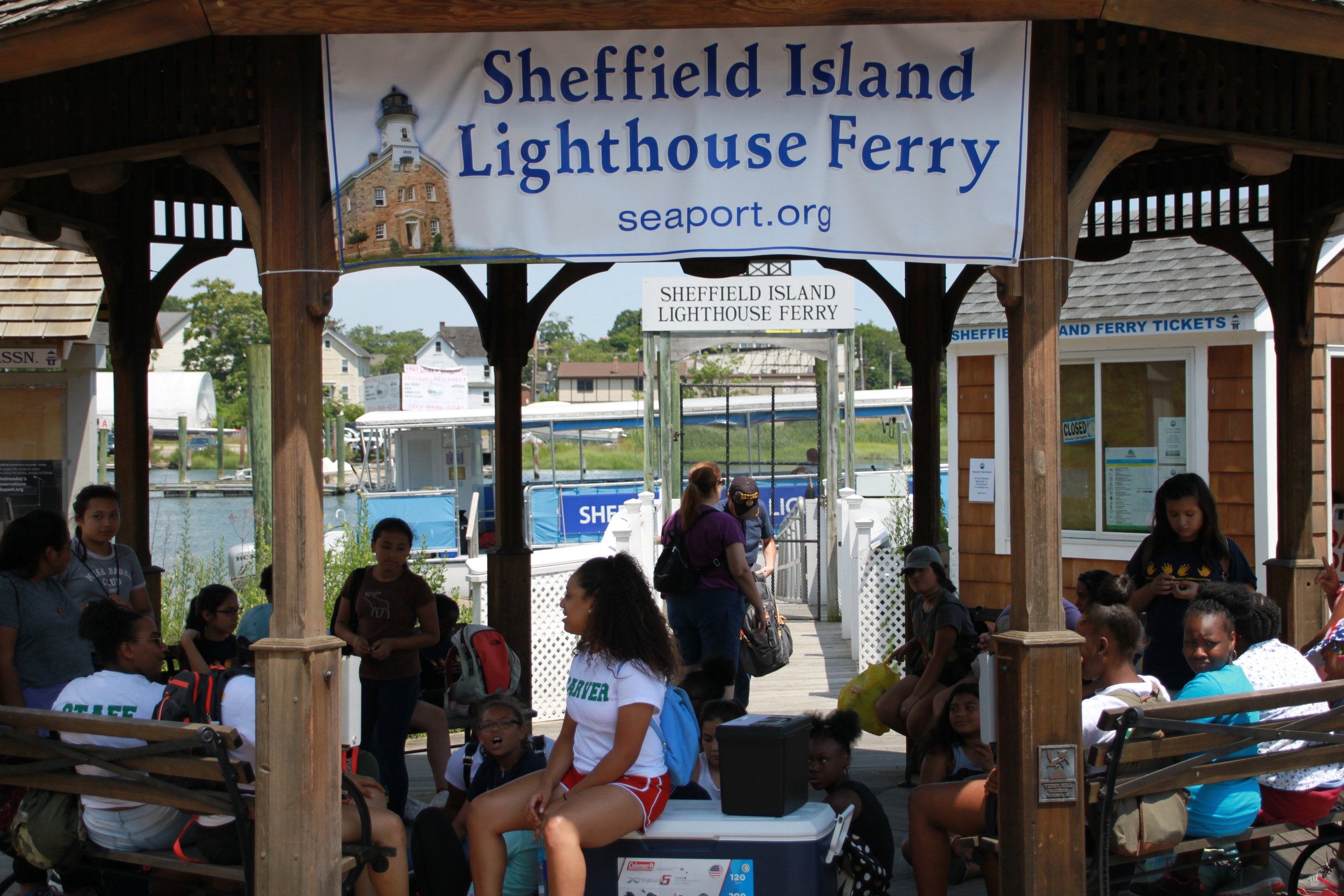
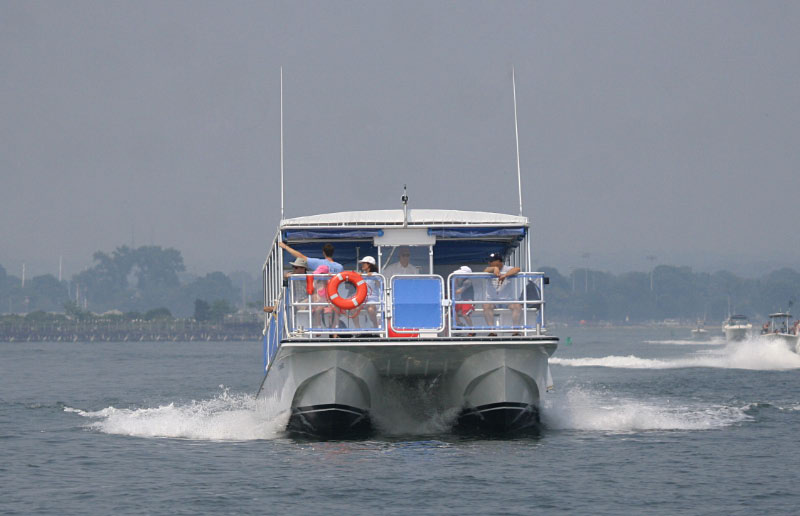
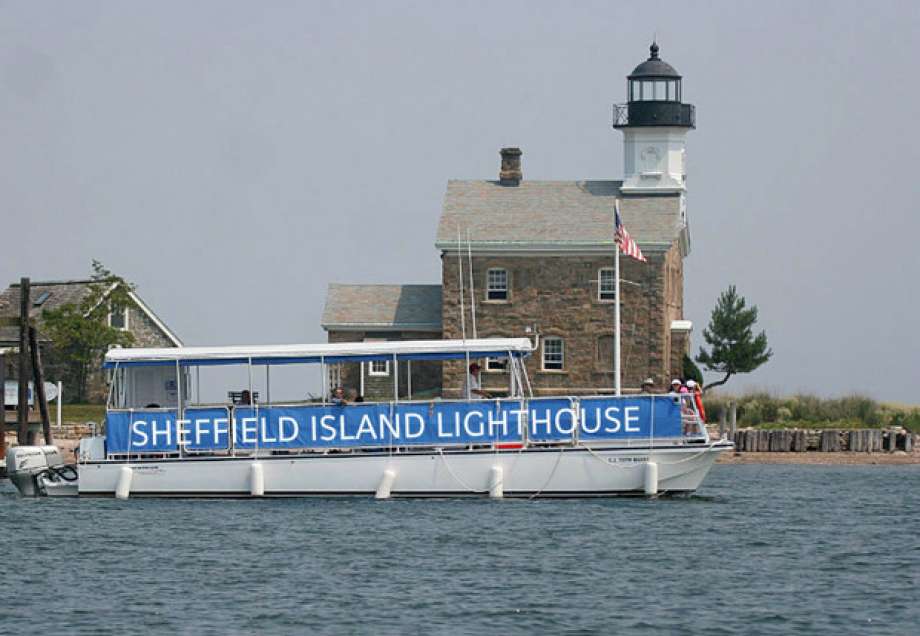
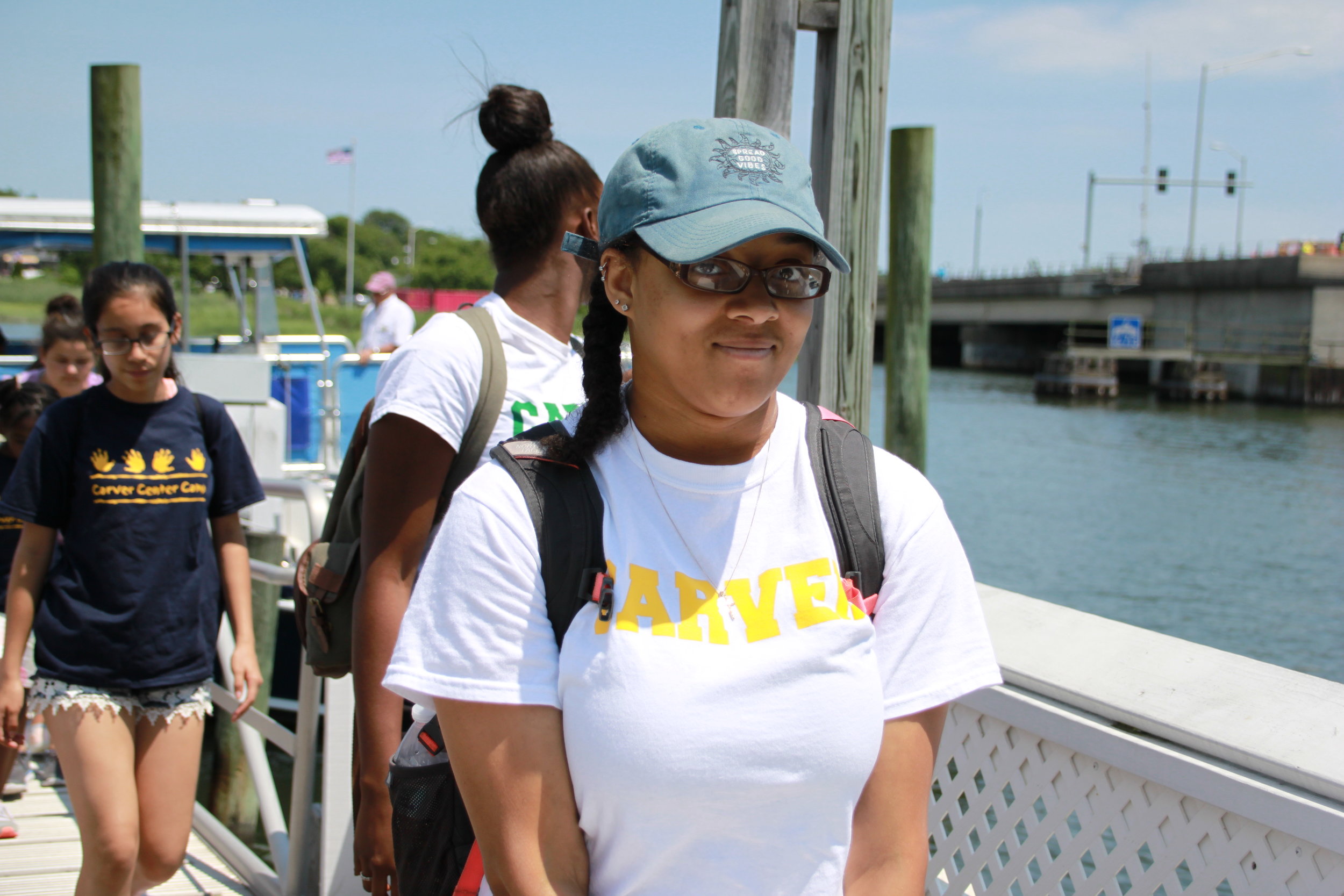
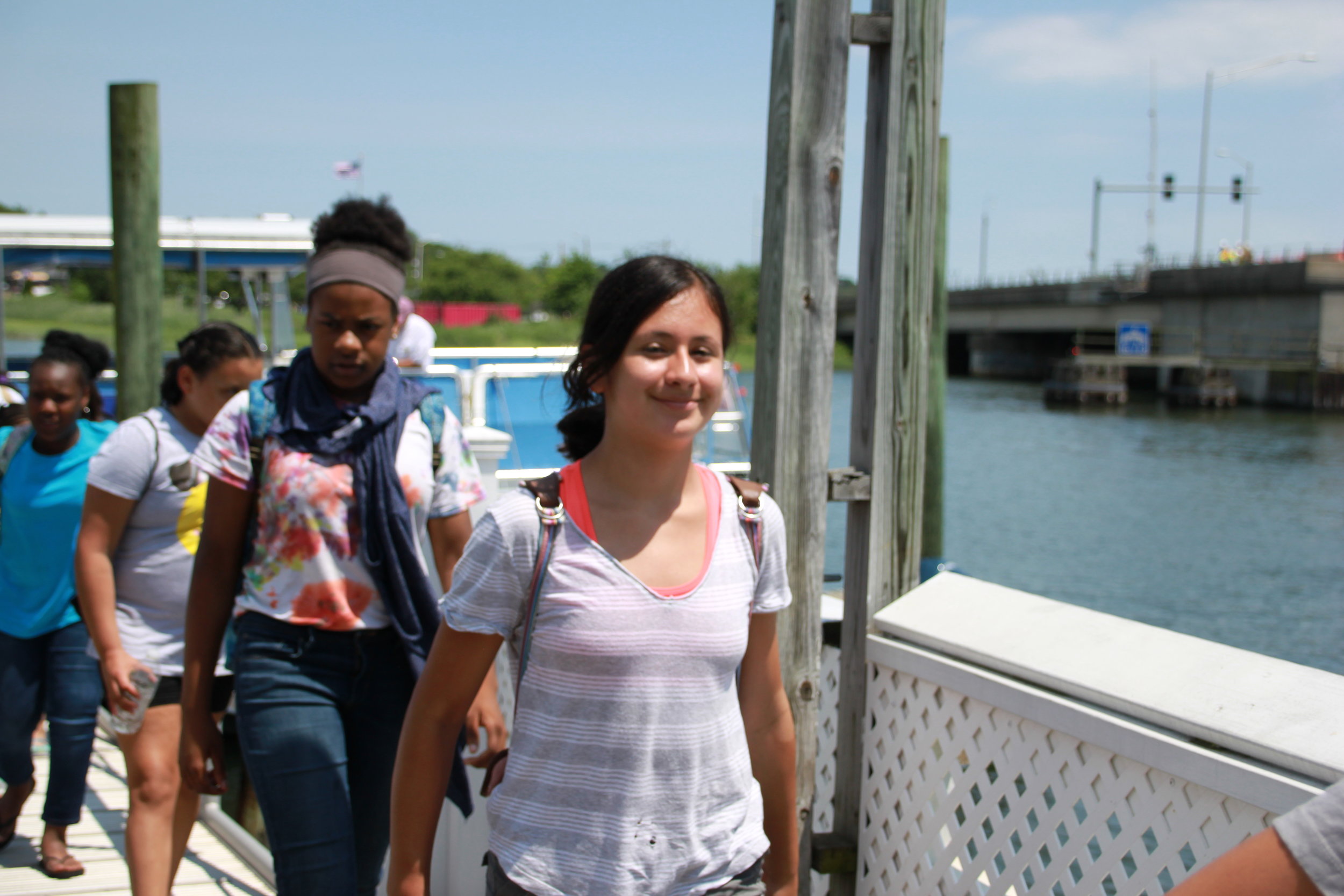
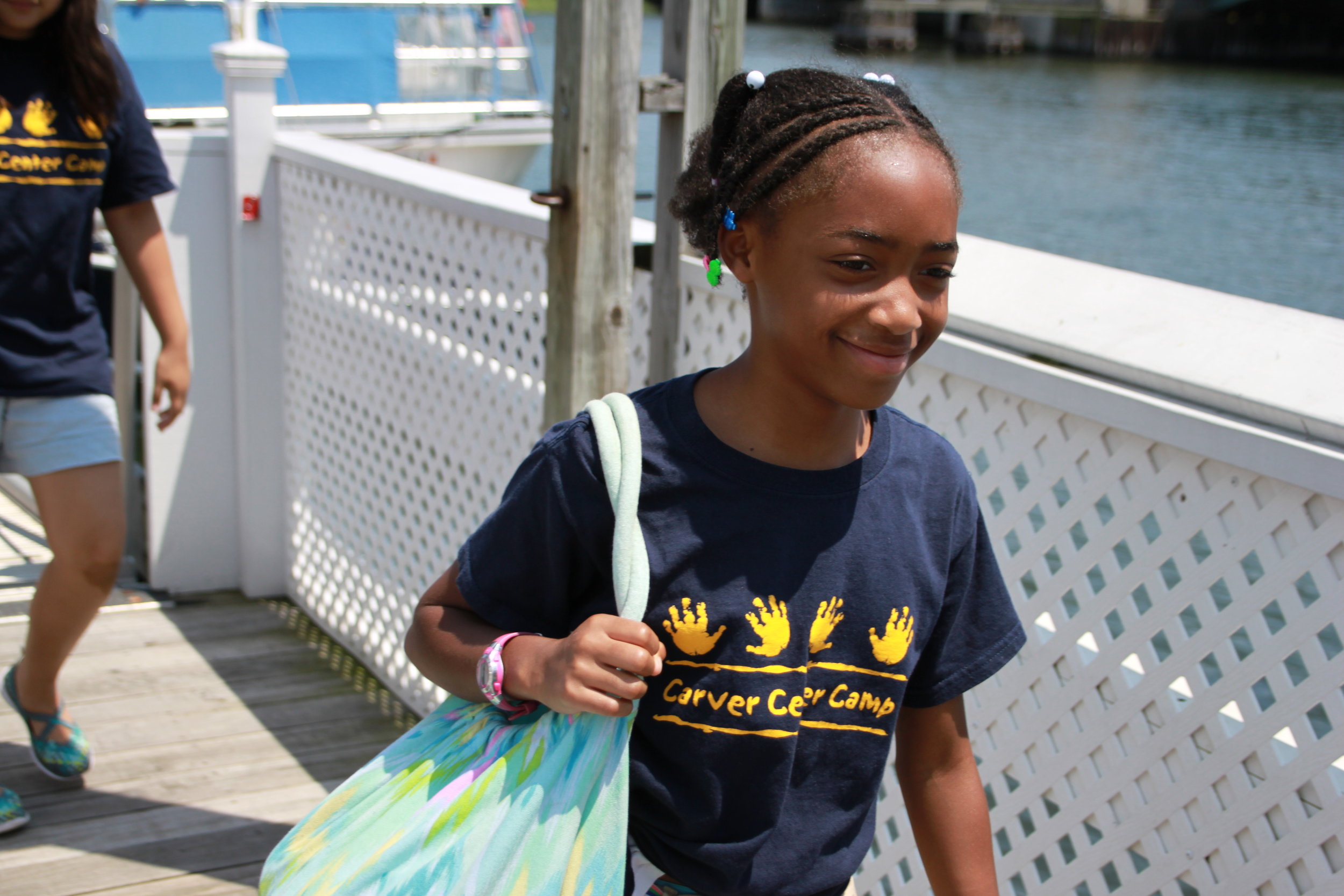
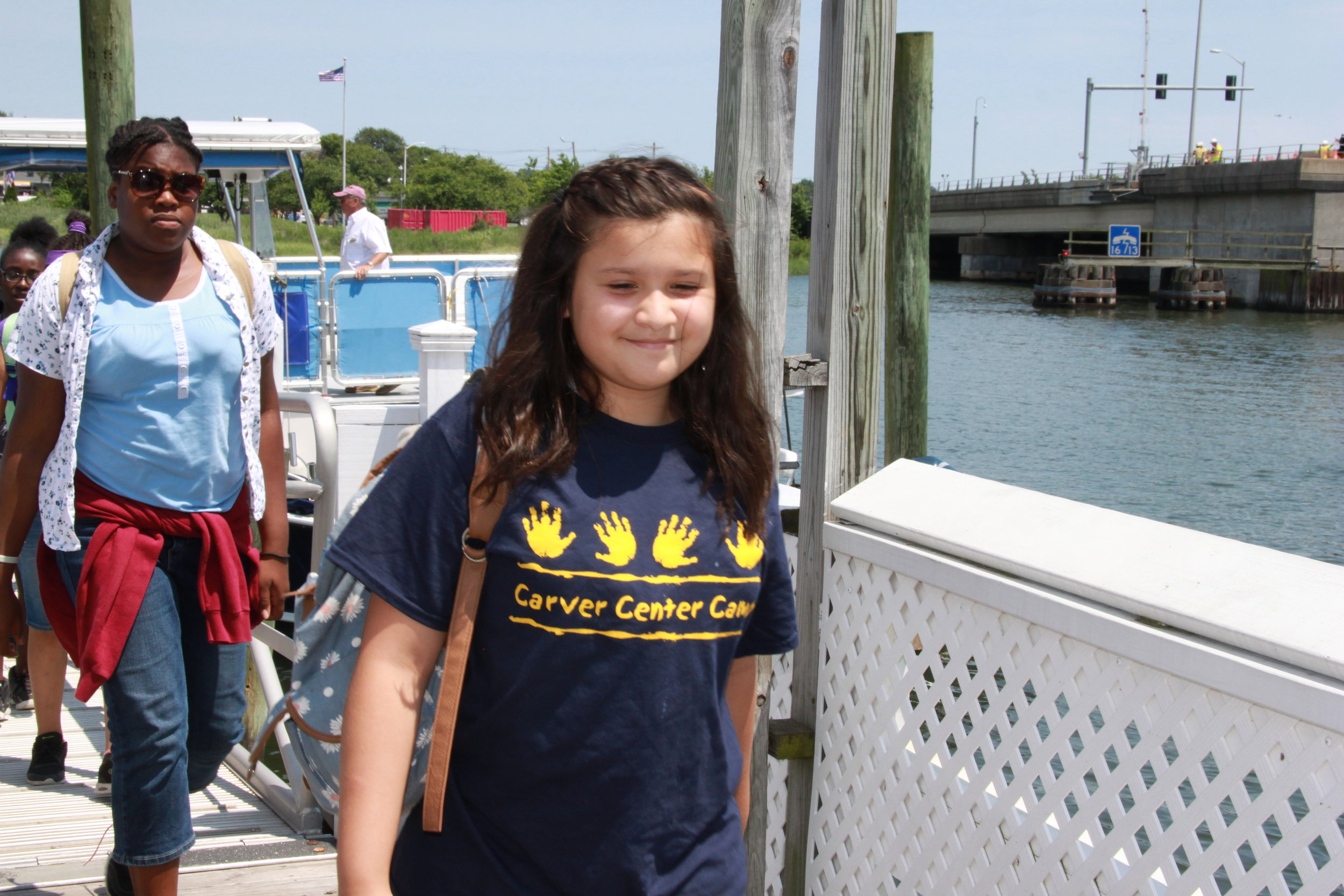
Carver campers boarded the Seaport ferry at the Sheffield Island dock, adjacent to Stroffolino Bridge, corner of Washington and Water Streets, South Norwalk for their trip to the island. More Carver campers will still make this exciting journey later in the summer. The ferry took our campers back to a time when this and other lighthouses were critical to coastal and oceangoing shipping.

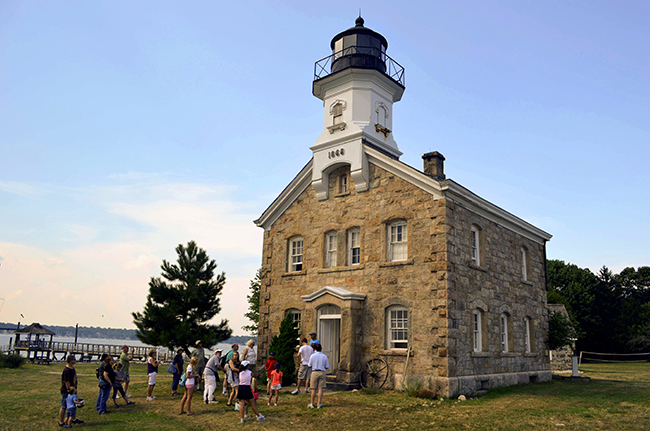
Once on the island, the Carver campers saw the lighthouse up close. The 10-room lighthouse showcases period furniture, and offers a chance to see what life was like for the families of 19th century light keepers.

Another island attraction is the Nature Trail through the Stewart B. McKinney Wildlife Refuge, which completed by the Seaport Association in cooperation with the U.S. Fish and Wildlife Service. From a viewing platform, a variety of wildlife including nesting herons and other birds could be observed.

Cool, salt-scented breezes invigorated the campers' senses, as you they journeyed to and from the island. first cruise past its sibling islands. Sheffield is the westernmost outpost, and, at 52 acres, one of the chain's largest islands within the Stewart B. McKinney National Wildlife Refuge. 

Colorful stories of pirates, rumrunners and more local history—including Norwalk's enduring oyster industry—make the excursion fly by! 
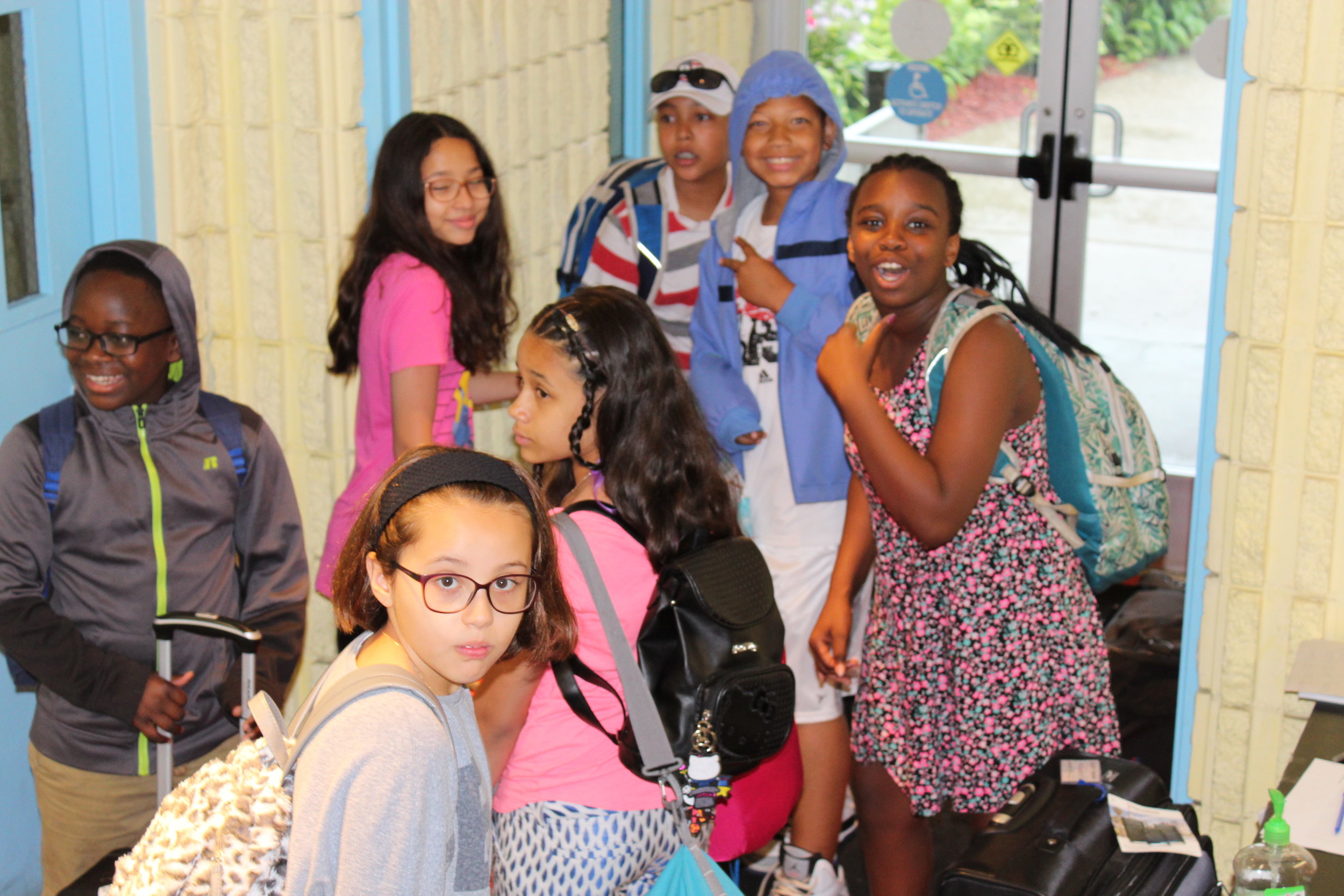
Carver campers left today for 10 days at New Pond Farm!

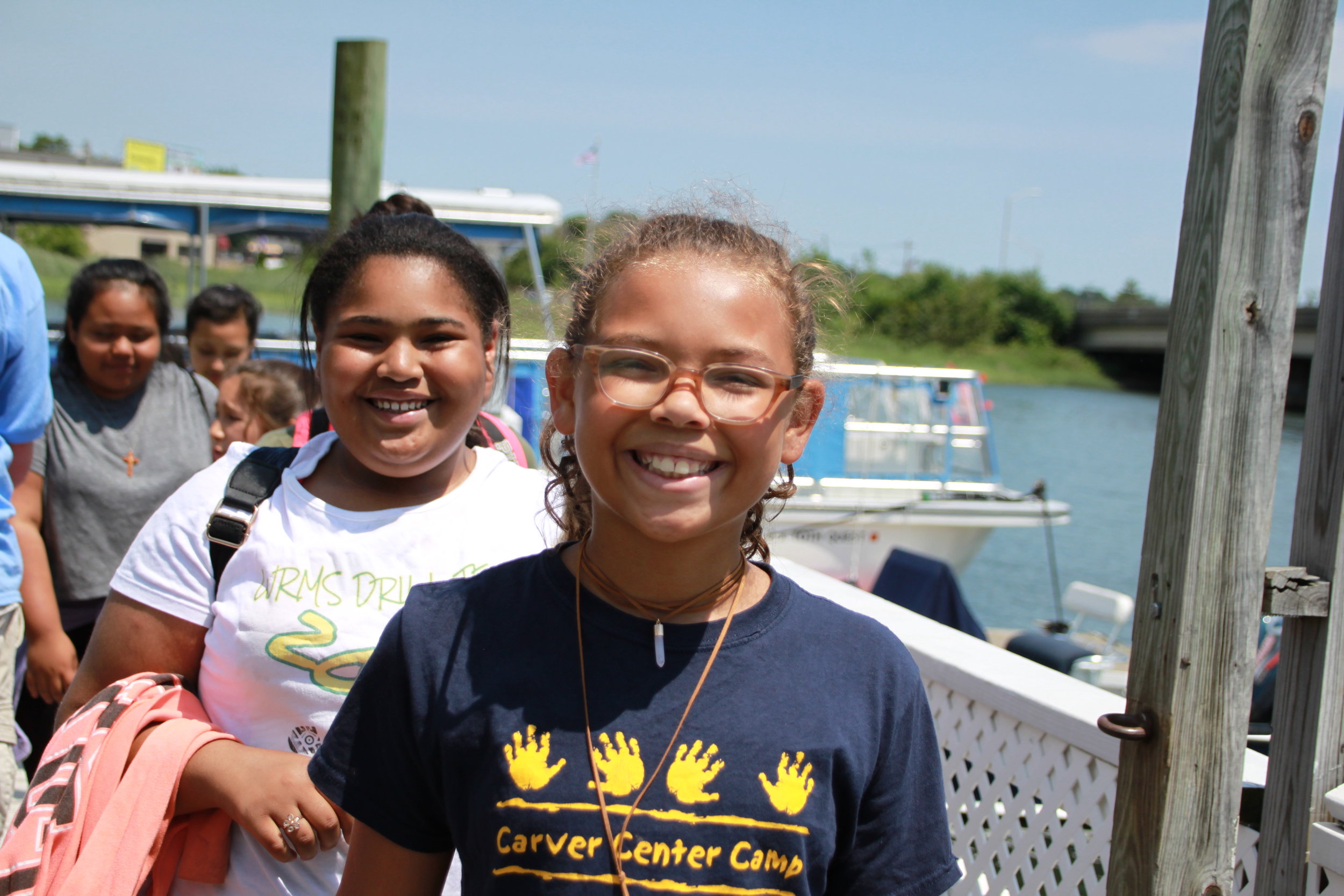
For over 30 years, New Pond Farm has served as a year-round environmental education center with a small working farm. It is dedicated to connecting people with the land that enriches and sustains us all, and they do this through their school field trips, adult lectures, family programs, children’s classes, and their unique summer camp, which the Carver campers in this photo will be enjoying for the next 10 days!

New Pond Farm's 102-acre property is located in West Redding. It was once the home of its founder, actress Carmen Mathews. It provides an outstanding array of outdoor classrooms which include woodlands, wetlands, an evolving scrub and shrub area, a pollinator meadow, and rolling pastures.

In 2007, New Pond Farm was designated a Connecticut Dairy Farm of Distinction. People visiting the Dairy Annex may purchase freshly pasteurized milk and yogurt.

In the summer New Pond Farm hosts a small and personal residential camp. During three ten-day sessions, they bring together children from the inner cities of Connecticut (their residential campers) with children from the surrounding area (their day campers). Together these youngsters, aged 8-12, from diverse socioeconomic backgrounds form friendships, develop an understanding and appreciation of one another as individuals, and have a marvelous time discovering the many wonders of the farm.

Carver is a longtime partner with New Pond Farm and we are deeply grateful for the transforming experiences they offer to our summer campers. 

New study shows the benefits of summer learning fir low-income urban youth

Learning from Summer: Effects of Voluntary Summer Learning Programs on Low-Income Urban Youth

This largest-ever study of summer learning finds that students with high attendance in free, five to six-week, voluntary summer learning programs experienced educationally meaningful benefits in math and reading.

The findings are important because children from low-income families lose ground in learning over the summer compared to their more affluent peers. Voluntary, district-run summer programs could help shrink this gap and have the potential to reach more students than traditional summer school or smaller-scale programs run by outside organizations. Yet until now little has been known about the impact of these programs and how they can succeed. Wallace’s $50 million National Summer Learning Project seeks to help provide answers. 

Since 2011, five urban school districts and their partners, the RAND Corporation and Wallace have been working together to find out whether and how voluntary-attendance summer learning programs combining academics and enrichment can help students succeed in school. 

Starting in 2013, RAND conducted a randomized controlled trial (RCT) in five districts—Boston; Dallas; Duval County, Florida; Pittsburgh; and Rochester—to evaluate educational outcomes, focusing on children who were in 3rd grade in spring of that year. The 5,600 students who applied to summer programs were randomly assigned to one of two groups—those selected to take part in the programs for two summers (the treatment group) and those not selected (the control group). The study analyzed outcomes for 3,192 students offered access to the programs. 

Researchers found that those who attended a five-to-six-week summer program for 20 or more days in 2013 did better on state math tests than similar students in the control group. This advantage was statistically significant and lasted through the following school year. The results are even more striking for high attenders in 2014: They outperformed control group students in both math and English Language Arts (ELA), on fall tests and later, in the spring. The advantage after the second summer was equivalent to 20-25 percent of a year’s learning in math and ELA.

These findings are correlational but controlled for prior achievement and demographics, giving researchers confidence that the benefits are likely due to the programs and meeting the requirements for promising evidence under the Every Student Succeeds Act. 

High-attending students were also rated by teachers as having stronger social and emotional competencies than the control group students; however, researchers have less confidence that this was due to the programs, given the lack of prior data on these competencies. 

About 60 percent of students attending at least one day met the 20-day threshold that was defined as high attendance.

Separately, the study also examined the impact of the programs on all students who were offered access, whether or not they actually attended. Because many students did not attend at a high level, and some didn’t attend at all, the average benefits for all of these students were smaller and not statistically significant, with the exception of a modest but educationally meaningful boost in math scores in the fall after the first summer equivalent to 15 percent of a year’s learning. These findings are causal, meaning that researchers are confident that they were due to the programs, and meet the standard of strong evidence under the Every Student Succeeds Act.

For students to experience lasting benefits from attending summer programs, the report recommends that districts: run programs for at least five weeks; promote high attendance; include sufficient instructional time and protect it; invest in instructional quality; and factor in attendance and likely no-show rates when staffing the programs in order to lower per-student costs.

The academic advantage for students with 20 or more days of attendance in a five-to-six-week voluntary summer program after the second summer translated to between 20 and 25 percent of typical annual gains in math and reading.

50+ K-12 Education Technology Events for 2017-18 School Year

“Travel is more than the seeing of sights,” wrote the late Miriam Beard. “It is a change that goes on, deep and permanent, in the ideas of living. And what better way to learn, grow and challenge ourselves than at the hundreds of education-themed bacchanals that dot the world?

How to stay posted on the latest edtech events

These shows happen across the year and across the world, gathering teachers and techies alike around tools and tips that support teaching and learning. They offer plenty of opportunities to reconnect with colleagues, make new acquaintances, and learn new ideas that could change your career or company’s fortunes. (Or better yet, be that inspirational change to others!)

Carver participates in GE Norwalk Volunteers Day Party!

Several of GE’s closest community partners joined in a “Volunteers Fair” yesterday to tell some 1,200 GE employees at their 901 Main Avenue location about their respective organizations and how they can get involved in the Norwalk community.  GE's landlord BLT generously provided the space, refreshments and tent for the event.

There was a drawing among the GE employees – first prize was the privilege to direct a $500 GE charitable contribution to one of the agencies in their name.  Carver joined these other wonderful local charities: Open Door Center, Hope for Haiti, Norwalk Community College, Junior Achievement, Habitat for Humanity, Bridgeport Rescue Mission, and Special Olympics.  

      GE is an important Carver donor and in particular a major benefactor of Carver's after school STEAM education programming.

Moreover, many dozens of GE volunteers spend time with Carver kids each year.

THANK YOU, GE and GE EMPLOYEES for your wonderful support!